The Box-Shaped Visitors
Trehörningsjö, 12 March 1969
Relay-station keeper Kjell Näslund watched a vast object settle near the treeline and box-shaped figures move toward the station. He would later say only that his legs refused the command to run. The equipment recorded nothing. His body did. Trehörningsjö, north of Örnsköldsvik, has produced reports since — the case is filed with UFO-Sverige and has never been explained.
Open file →
Three Humanoids at Dusk
Hemliden, Trehörningsjö, 18 October 1977
On the mountain Hemliden, a few hundred metres from where Kjell Näslund had stood eight years earlier, Kurt Nilsson saw a landed craft in the same tract of woodland. Three figures moved beside it, close enough to be seen, too far to be described the same way twice. The district had by then a reputation it had not asked for.
Open file →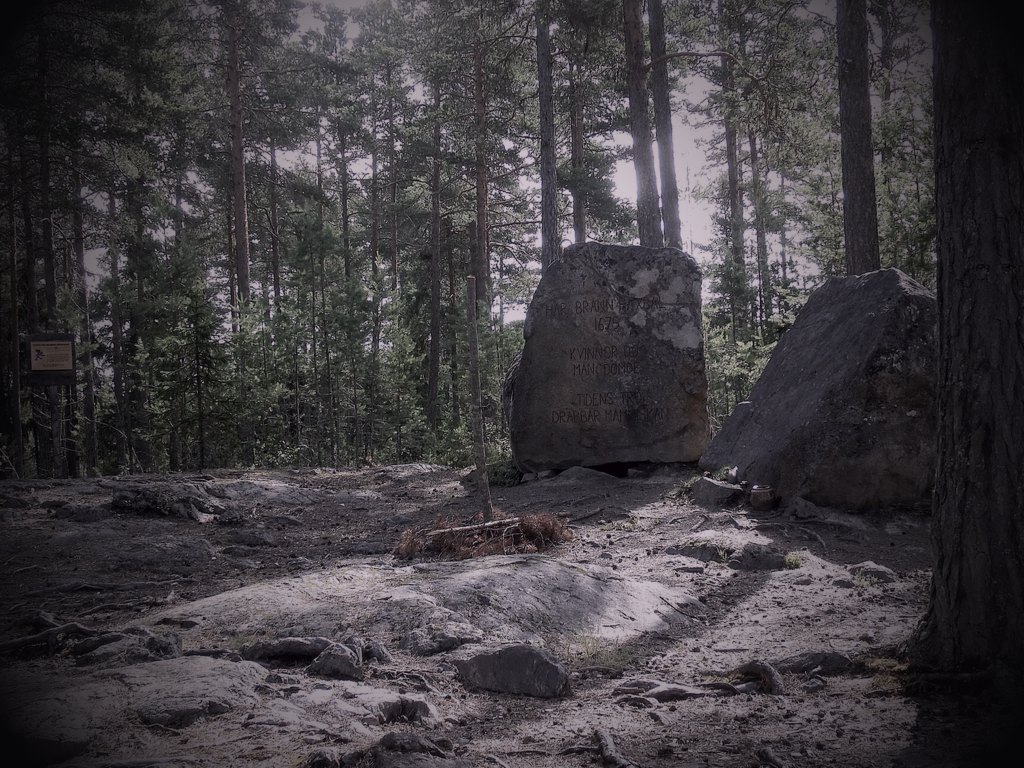
The Burning Mountain
Häxberget, Kramfors, 1675
Häxberget is the place of the mass executions. Seventy-one names were led up the mountain during the great witch hysteria, beheaded there and their bodies burned on a single bonfire — Sweden's largest documented peacetime mass execution. A stone now marks the site and a trail winds to it. The atmosphere is not merely historical. Walk it on a windless day and the trees go quiet long before you reach the top.
Open file →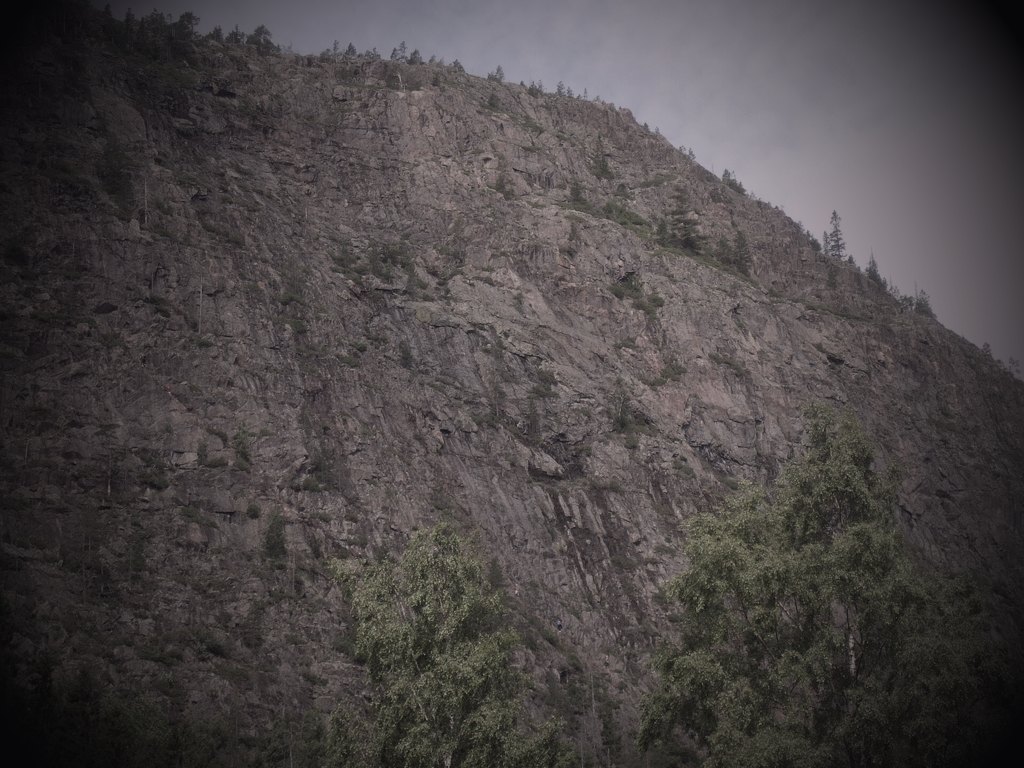
The Robbers' Cave
Skuleberget
High in the cliff face of Skuleberget, the mighty mountain along the coast, a dark mouth opens in the stone. In the 1600s a band of robbers was said to live inside it, descending to plunder the villages below. The cave is empty now, by daylight. But the opening is large enough to hold more than stories, and the cliff does not answer when you call into it.
Open file →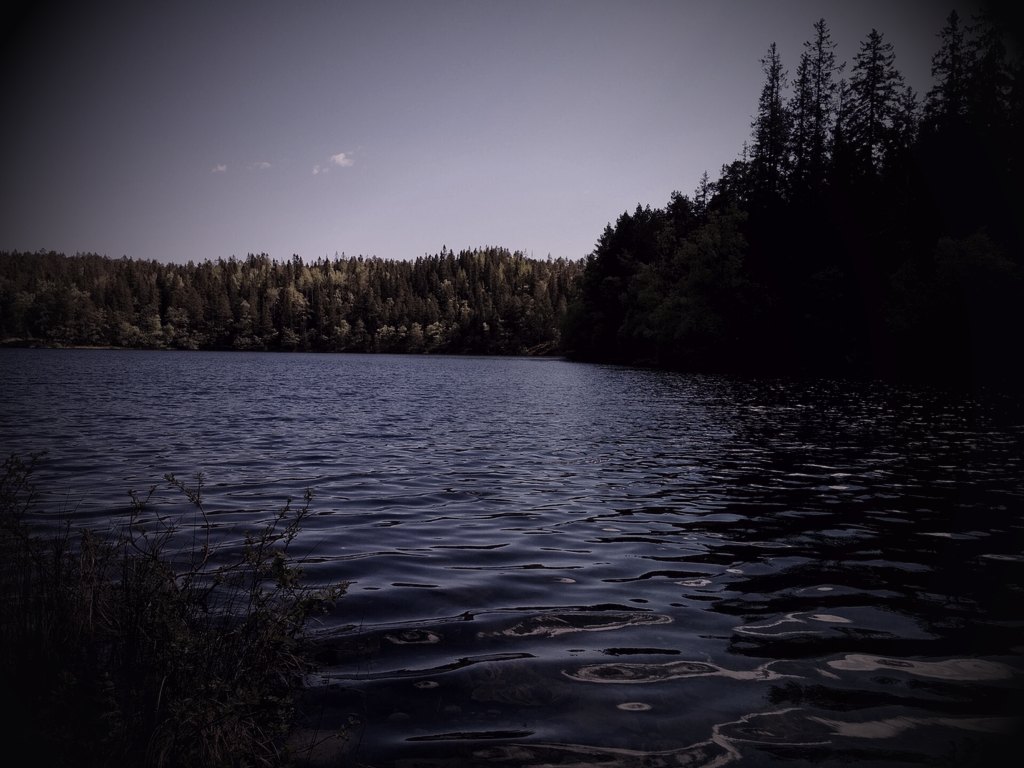
The Red Cliffs of Balesudden
Balesudden & Balestjärnen, Nätra
At the tip of the peninsula the granite turns a loud, arterial red. Below it hides Balestjärnen, a lake so clear and lime-heavy that the drowned pines rest on the bottom like specimens in a glass case. They have not rotted. They are simply waiting where the light reaches them.
Open file →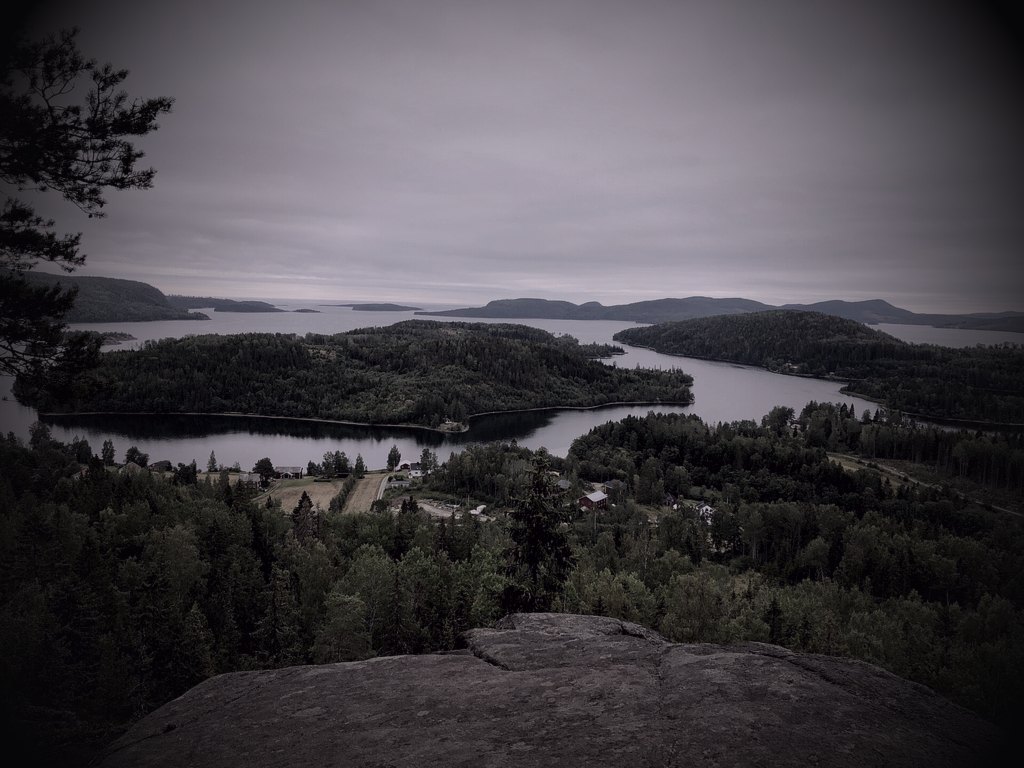
The Red Fort
Rödklitten, Nordingrå
An ancient hillfort crowns a steep south-west slope, its collapsed stone walls heavy with something older than history. Visitors speak of a curse, of footsteps that echo back at the wrong speed, and of cold that gathers in the ruins on windless afternoons. The fort was built to watch the valley. The valley has not stopped being watched.
Open file →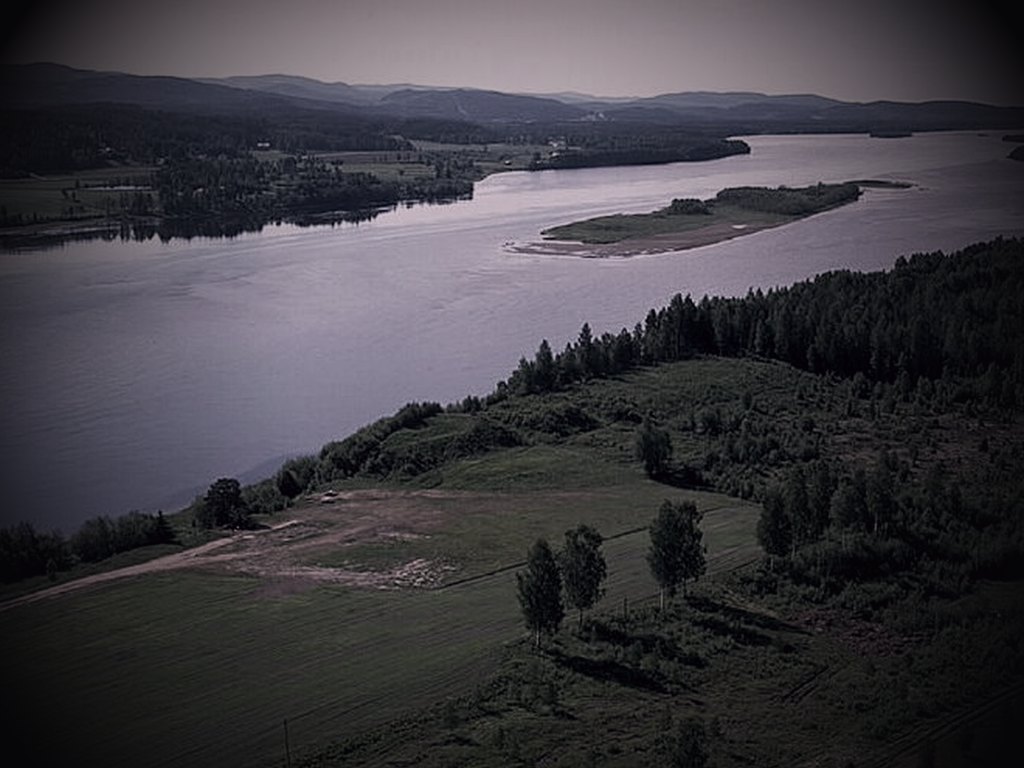
The Burned Castle
Styresholm, Ångermanälven
On the riverbank stand the ruins of Styresholm, a medieval stronghold where the Vitaliebröderna — river pirates in all but name — made their camp in the 1300s. The castle burned, the men scattered, but the shore at night still carries the sounds of the place: water against charred stone, voices that do not match any boat, and the feeling that something looted was never fully recovered.
Open file →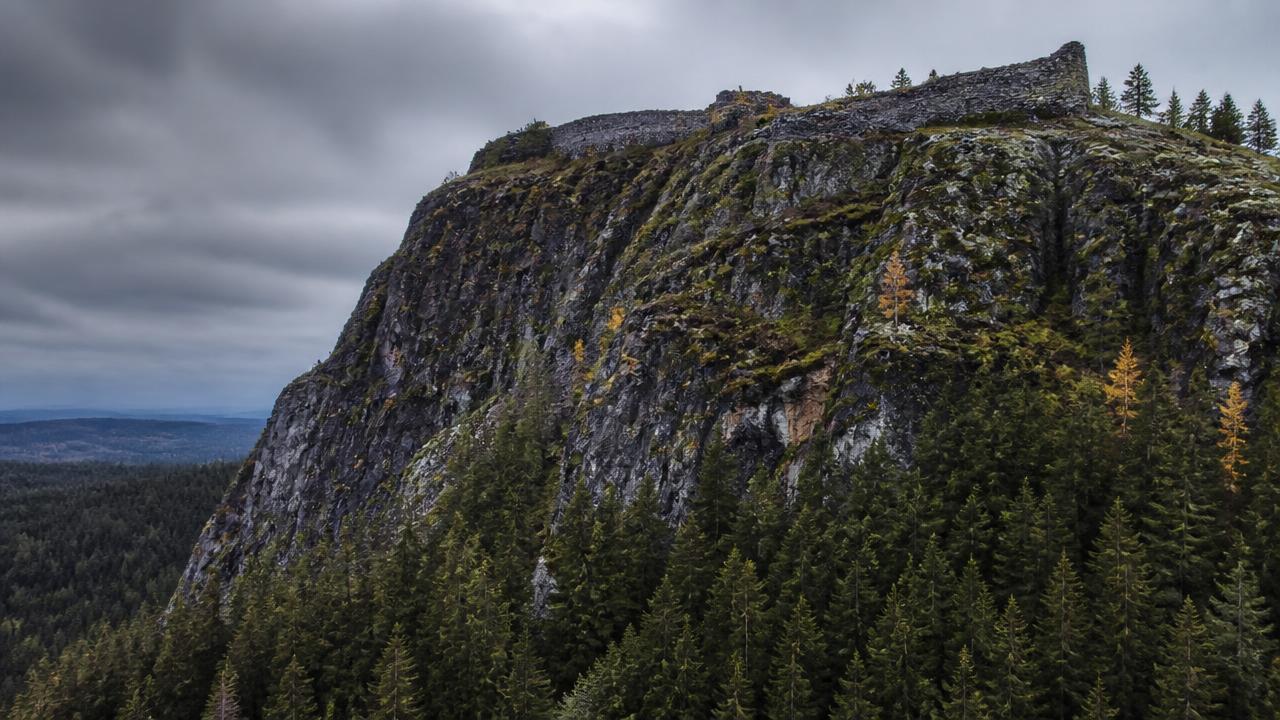
The Hillfort of Rogstaklippen
Rogstaklippen, Torsåker
This 140-metre crag in Torsåker holds one of Sweden's northernmost known hillforts, raised during the Migration Period around 400–550 AD. The summit is ringed by moss-covered stone walls on the only approachable side; the rest falls away in sheer drops. Rogstaklippen is marked on the Ghost Map for the heavy atmosphere that settles on the old ramparts. Visitors report the distinct sense of being watched from the cliff edge, as if the ancient sentries had never fully abandoned their post.
Open file →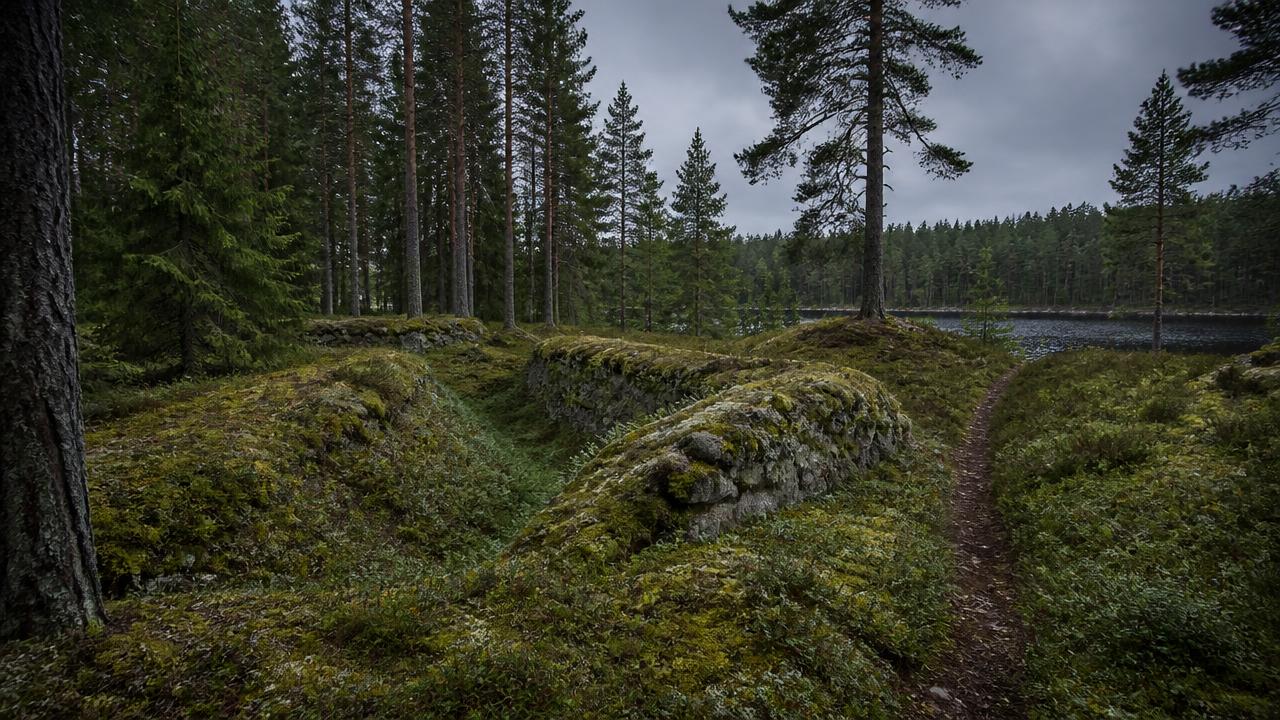
The Gransjö Redoubt
Gransjö skans, Helgum
Gransjö skans was raised in the 1600s during the reign of Queen Kristina, set hard against an ancient pilgrims' road that once ran toward the Jämtland border. The garrison was meant to guard the way north; instead the forest slowly took the fort back. Today only stone foundations and low earthworks remain, half-swallowed by spruce and moss. Walk the old ramparts on a still day and the silence feels less empty than waiting.
Open file →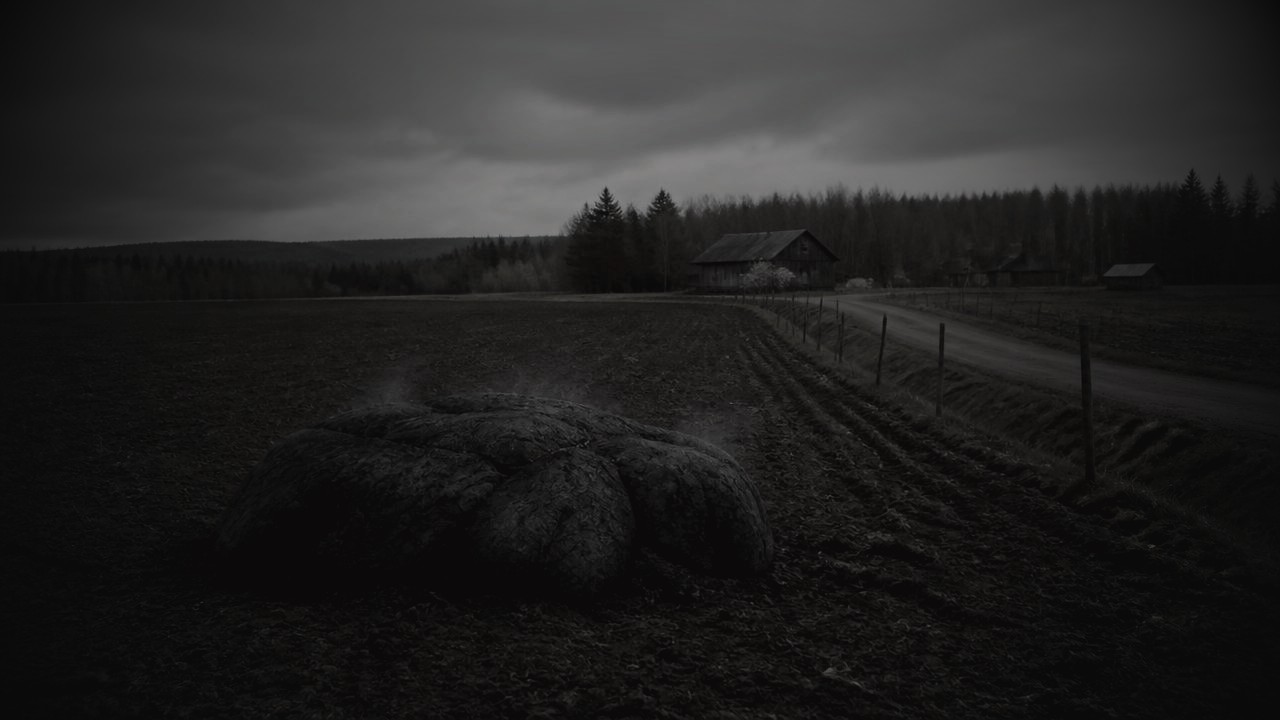
The Stone That Fell from the Light
Norrböle, Anundsjö
In July 1950, a strange UFO incident occurred in the village of Norrböle, Anundsjö, leaving behind a physical trace in the form of a stone-like lump. At noon one July day, smallholder Anton Lindberg saw a round light flying through the air from the north, about the size of a football, accompanied by a rushing sound. Suddenly something fell from the glowing sphere and landed in a field north of the village road. Lindberg walked to the impact site and found a stone-like object lying openly on top of the ground. It had not buried itself in the earth. Despite examinations at several laboratories, its origin could never be established with certainty.
Open file →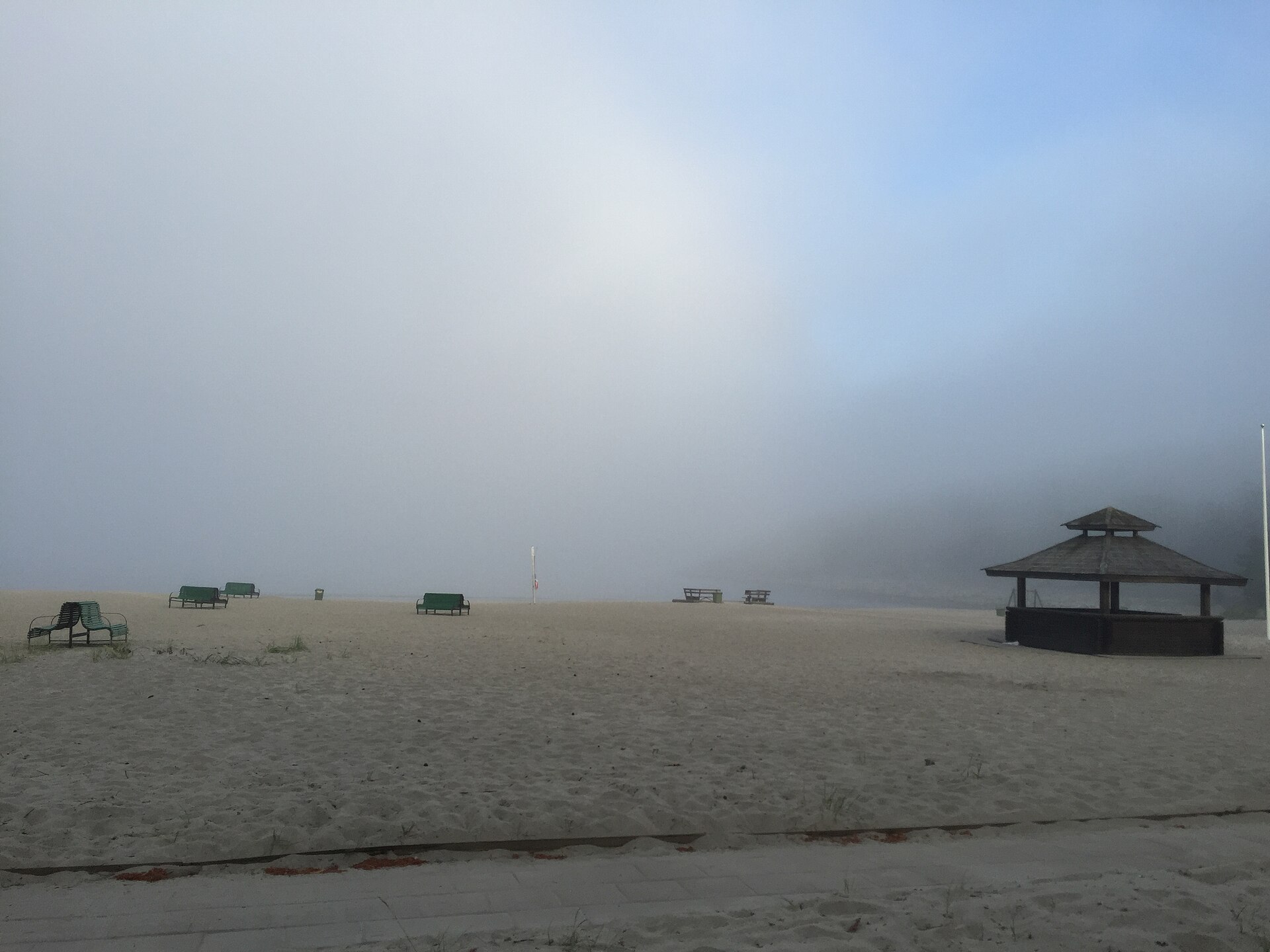
The Tunnel Grottoes of Smitingen
Smitingen / Lökgrottorna, Härnön
Along the outer coast of Härnön, wave and fracture have carved one of Sweden's longest systems of tunnel grottoes. On calm days the openings are merely dark mouths in the granite, but when the sea rises and the swell presses inland, the stone itself begins to groan. Old fishermen called the sound the breathing of the deep, and avoided the caves after dusk. The water remembers what the land has forgotten, and in hard weather it speaks through the rock.
Open file →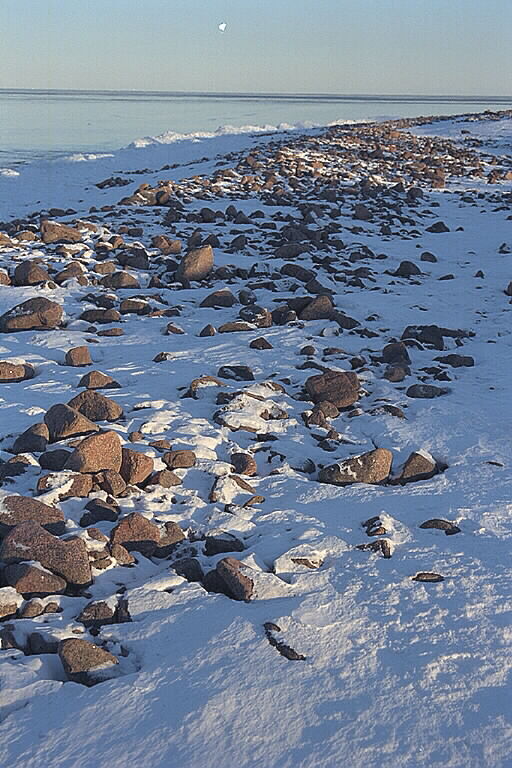
The Devil's Fields
Norrfällsviken
The broad shingle fields reaching out toward the sea at Norrfällsviken were once called the Devil's Acres. Farmers said only Hin Håle himself could plough and harrow ground made entirely of dead, polished stones where nothing could be sown or grown. The place was considered ill-fated to walk at night, when the sound of stones rolling in the swell was mistaken for subterranean footsteps.
Open file →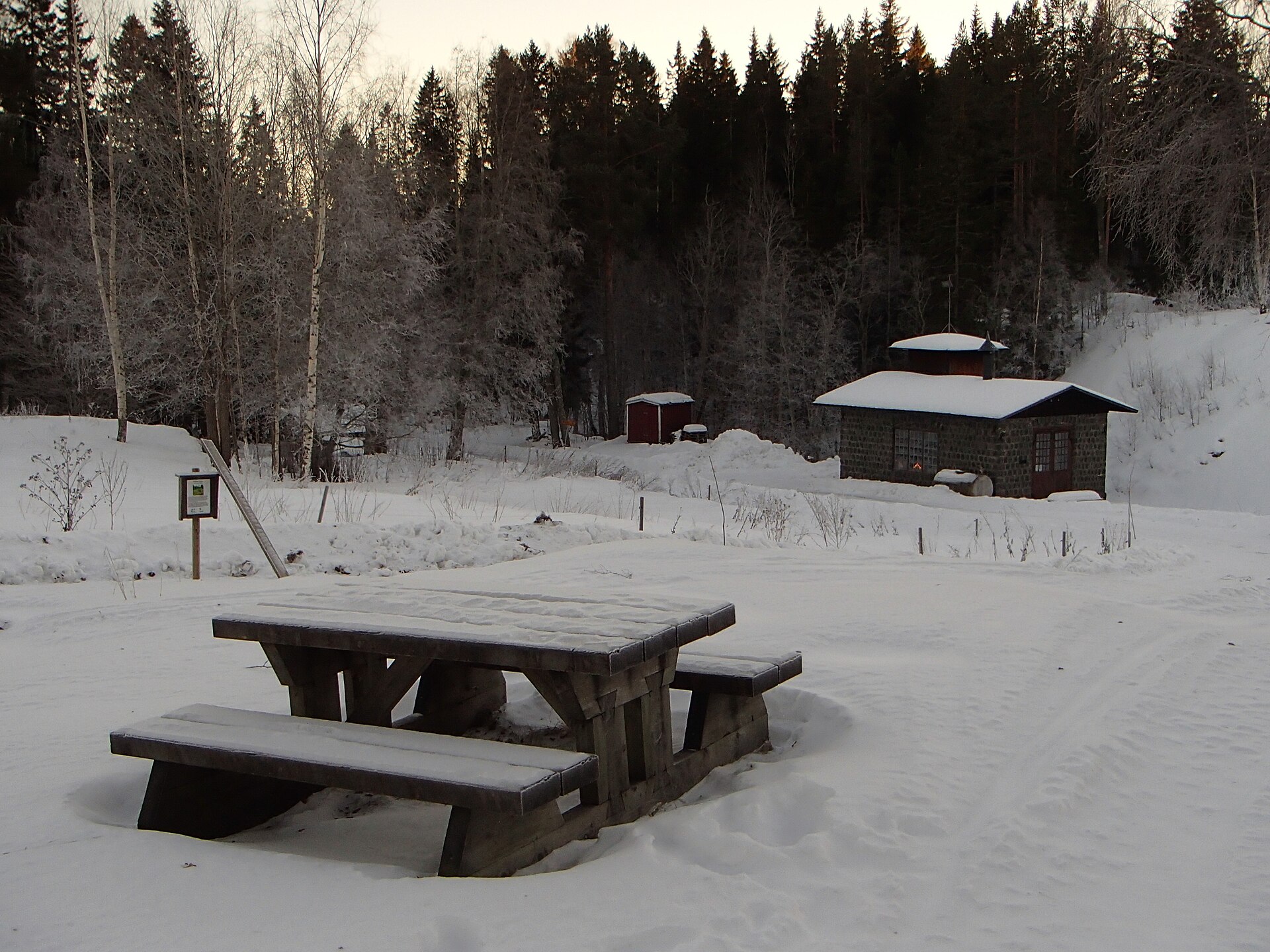
The Russian Ovens at Galtström
Galtström, Njurunda, Medelpad
During the Russian raids of 1719–1721, much of the coast was burned — towns and farms reduced to ash. Remaining in the forests and on the skerries are traces of the so-called ryssugnar, simple stone ovens raised by Russian troops to bake bread. The ground around these ovens was long considered ill-omened; the soil was said to stay barren, and the weeping and cries of the murdered and displaced coastal people could be heard on the wind. The stones do not warm anymore, but they have not forgotten the fire.
Open file →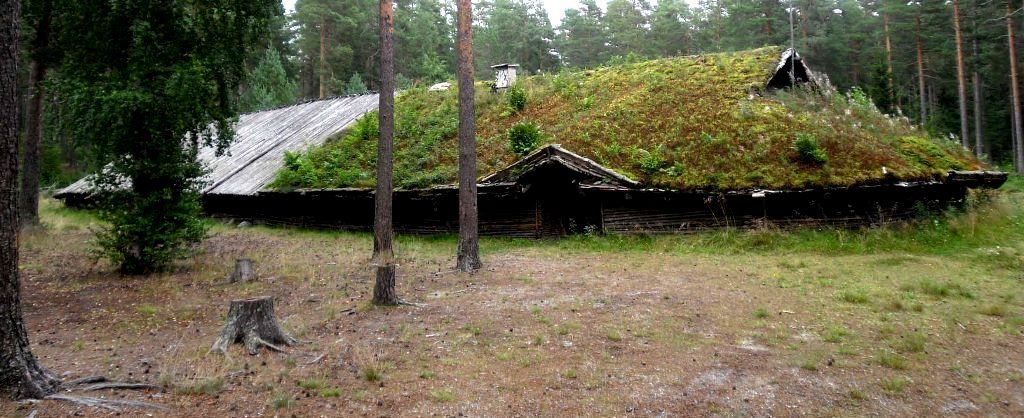
The Sacrificial Grove and Burial Mounds of Gene Fornby
Gene Fornby, Örnsköldsvik
The reconstructed Iron Age farm rests on ground that held genuine ancient settlements and burial mounds from the Migration Period. Across the centuries, stories lingered among local people that the land belonged to the högfolket — the mound people — and the ancestors of the old clans. Plowing too close to the grave mounds or felling trees in the nearby groves was believed to bring supernatural misfortune, crop failure, and cattle death upon whoever desecrated the place. The longhouse has been rebuilt. The mounds have not been moved. The grove still stands.
Open file →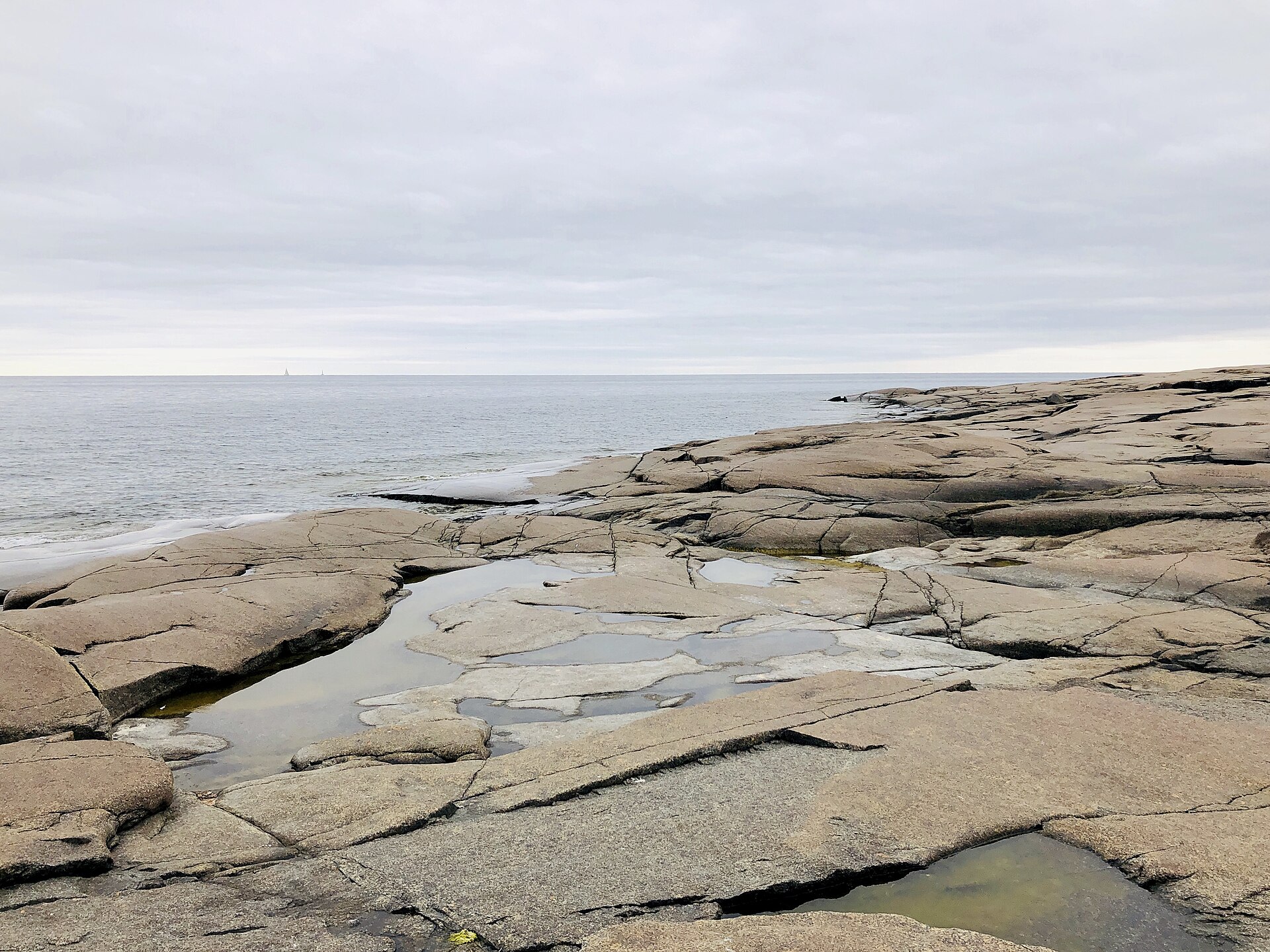
The Troll Cauldrons and Giant's Potholes at Rotsidan
Rotsidan, Nordingrå
The deep, circular hollows in the polished diabase along the four-kilometre coastal strip were once thought to be the work not of glacial meltwater, but of giants and sea trolls boiling seal blubber and brewing troll-draughts in the rock. Fishermen were warned not to sit on the rim of these cauldrons at dusk, when the suck of the surf in the hollows was said to be able to pull a person straight down into the mountain's interior. The rock is smooth. The holes are deeper than they look.
Open file →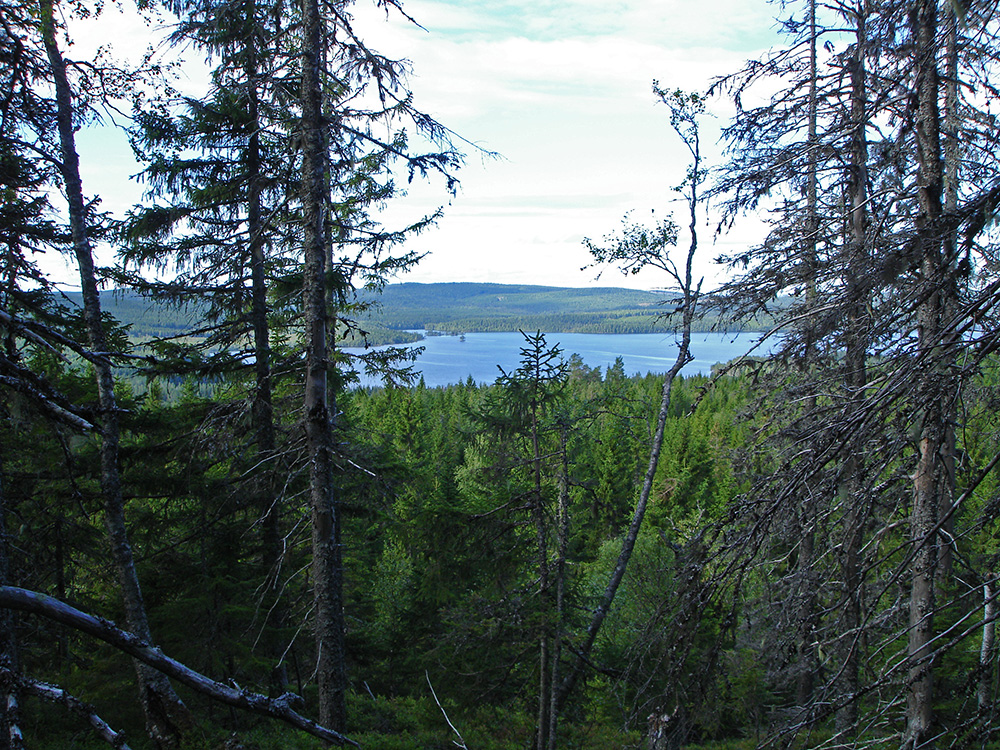
The Capture of the Sjörå at Stor-Degersjön
Stor-Degersjön, Sidensjö, Örnsköldsvik
At this deep forest lake they told of a fisherman who one foggy morning pulled a creature with a human body and shining fish-skin from his net. The being promised him endless luck if he set her free, but warned him never to boast of the catch. The man grew rich from his fishing but revealed the secret in a tavern while drunk; that same night his boat capsized on the lake during a sudden storm and he was never found. The water is deep. The net is still down there.
Open file →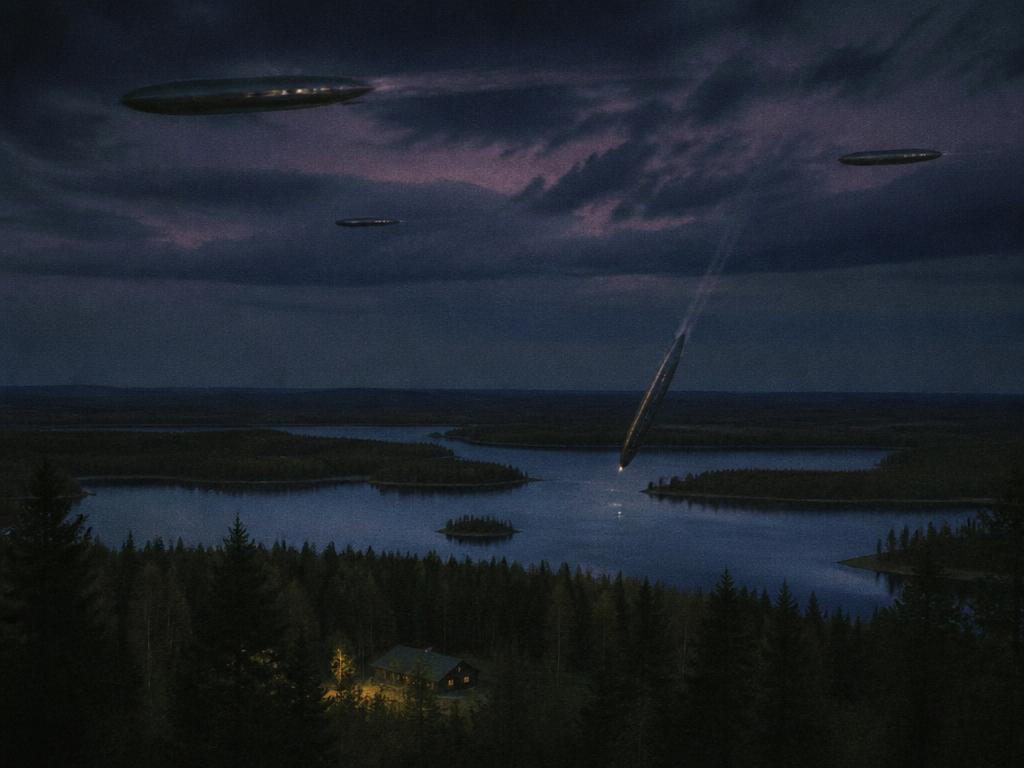
The Ghost Rockets over the Inland
Ramsele, summer 1946
During the great wave of 'ghost rockets' in 1946, several cigar- and torpedo-shaped metallic objects were observed moving at high speed over the forests and lakes of Ångermanland. Witnesses around Ramsele and the Faxälven river reported objects that flew silently, or with a low humming sound, at low altitude before diving steeply into forest lakes. The military carried out extensive searches and draggings in several Norrland waters without ever finding any wreckage or traces of fuel. The summer passed. The objects did not explain themselves.
Open file →
Röd Niklas
Härnösand and northern Ångermanland, November 1952
In November 1952 a division of nine Saab B 18B bombers from Halland's wing left Västerås for Luleå and flew straight into a snowstorm no forecast had promised. Fuel ran low. The order came: 'Nödlanda där ni kan.' Eight came down on lake ice and frozen fields around Härnösand and northern Ångermanland; their crews survived. One, Röd David, settled on the ice outside Härnösand and was later recovered from the harbour — today it is the only B 18 left in the world. The ninth, Röd Niklas, and its three crewmen, never arrived. Theories place it in the Bothnian Bay or in the forests of inland Jämtland. Searchers still look.
Open file →
The E14 Object
E14 between Stöde and Matfors, 6 June 2017
On Midsummer's Eve two people driving along E14 between Stöde and Matfors saw something move above the road. It was not a bird, not a plane, and not a reflection in the windshield. They watched it fly over the car in silence and disappear toward the forest. They reported it. Nothing else was reported. The road is still there, straight and lit, and the trees on either side do not explain what passed above them.
Open file →
The Locked Doors of Körningsgården
Körningsgården, Nordingrå, Höga Kusten
Körningsgården is an old manor in the heart of Nordingrå, now a guesthouse and hotel. Unlike the anonymous ghost stories that collect online, this place has a long, written record of testimony from guests, staff and owners going back decades. The reports are consistent: sudden drops in temperature, heavy footsteps in empty corridors, doors that lock from the inside. The house has been a farm, a bank and a shop; now it is a destination for those who want Swedish history with a documented unease.
Open file →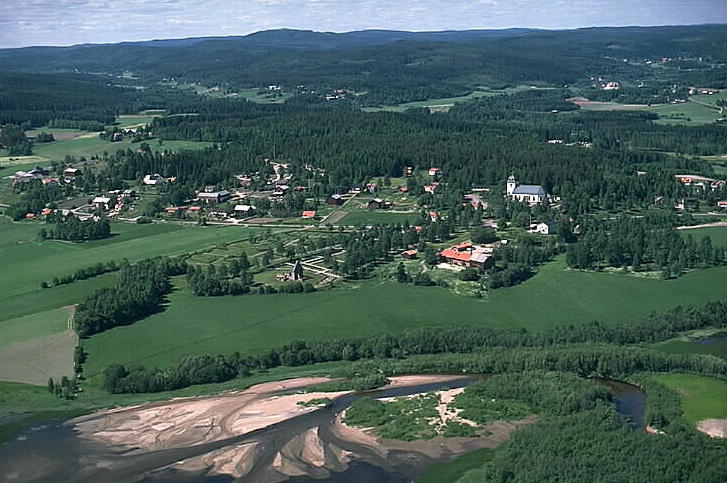
The Last Battle
Selånger, 25 May 1721
On 25 May 1721 the last battle of the Great Northern War was fought on the coast of Västernorrland. A Russian galley fleet arrived at the Sundsvall coast as part of the Russian ravages. A small Swedish force — Jämtland's cavalry company and local farmers — faced an enemy ten times its size. They fought, then retreated at Selånger. Sundsvall was plundered and burned to the ground. Eyewitness accounts survived in the town's memory; the shoreline did not forget either.
Open file →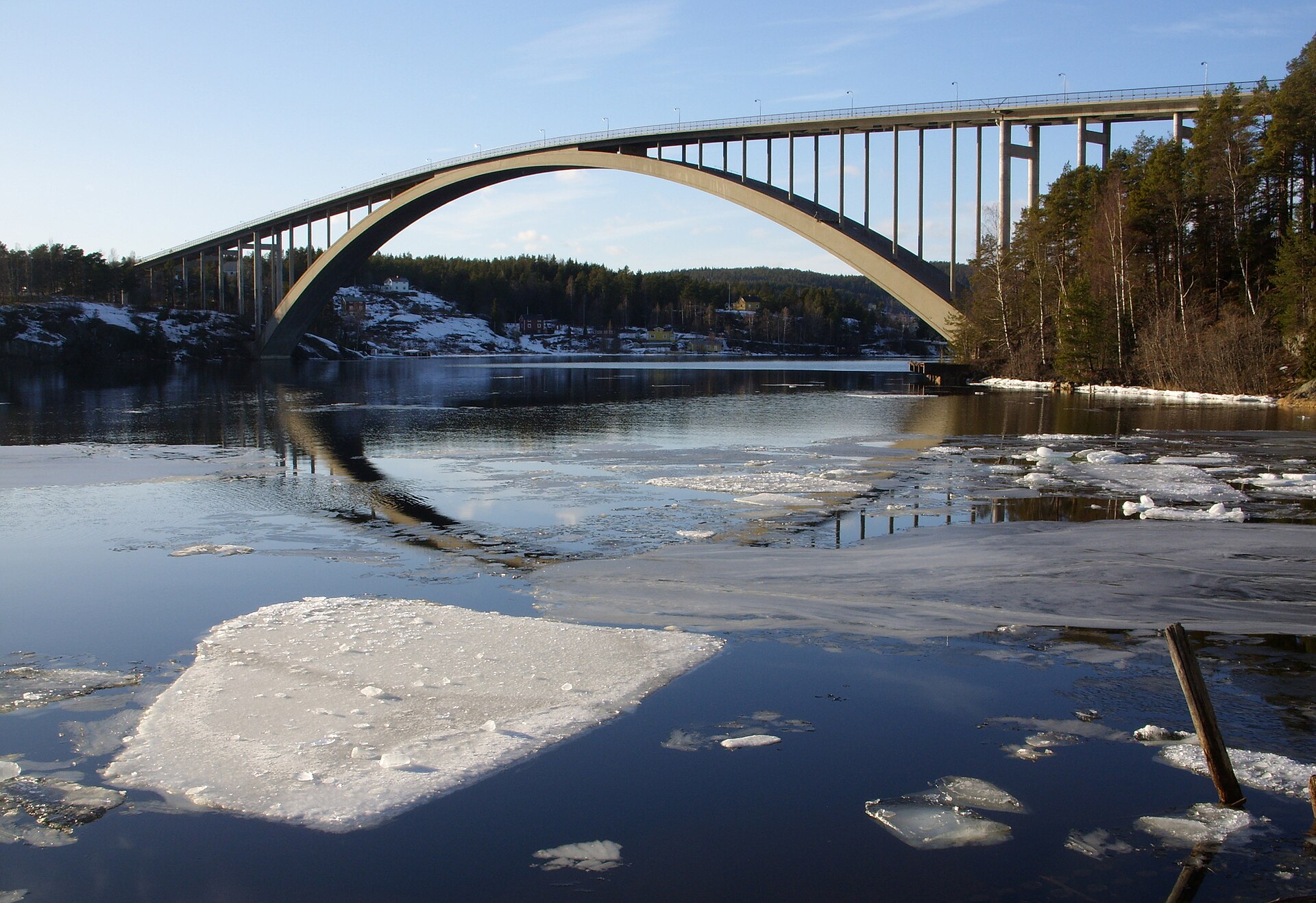
The Silence at Sandöbron
Sandöbron over Ångermanälven, 31 August 1939
On 31 August 1939 workers were building what was meant to be the world's longest concrete bridge across the Ångermanälven. At 16:40 a terrible crash was heard. The giant wooden formwork buckled, shook, and plunged straight into the rushing water. Eighteen men died. The catastrophe should have dominated every front page, but the next day the Second World War began and the headlines belonged to Europe. The bridge was eventually finished; the silence around the collapse remained.
Open file →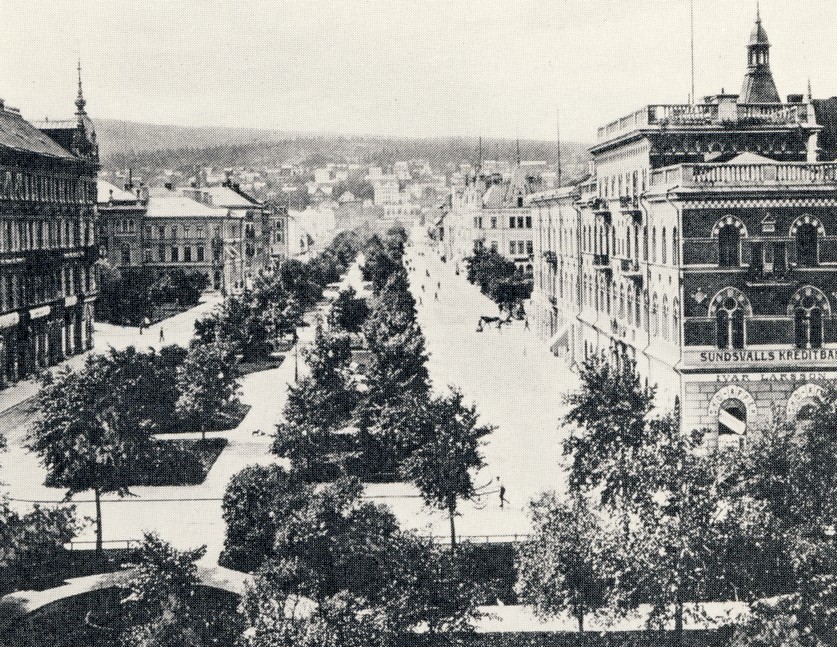
The Fest Revolt of Sundsvall
Sundsvall, August 1918
In August 1918 the Spanish flu exploded in Sundsvall. The health board understood the danger and issued strong warnings in the local papers, forbidding or strongly discouraging public entertainments and large gatherings. The citizens answered with what the board later had to admit was a 'trotsrevolt'. Their warnings, the minutes recorded, had been 'of no value whatsoever'. More people than usual crowded the dance halls, restaurants and pleasure gardens, dancing and drinking while the pandemic raged. The city survived the sickness. The memory of defiance survived longer.
Open file →
The Ångermanland Uprising
Boteå, June 1564
In June 1564 a stormy ting assembled at Boteå. Knut Haraldsson, envoy of King Erik XIV, had come to demand that the farmers of Ångermanland supply fresh young men as soldiers for the king's war. The farmers of north and south Ångermanland joined together and openly refused. Their desperate answer survives in the official ting protocols: they could not go to war until the harvest was in, for the famine was so severe that they had 'nothing else to eat but bark'. This open defiance of royal authority in the middle of a burning war is one of the earliest well-documented acts of popular resistance in Norrland history.
Open file →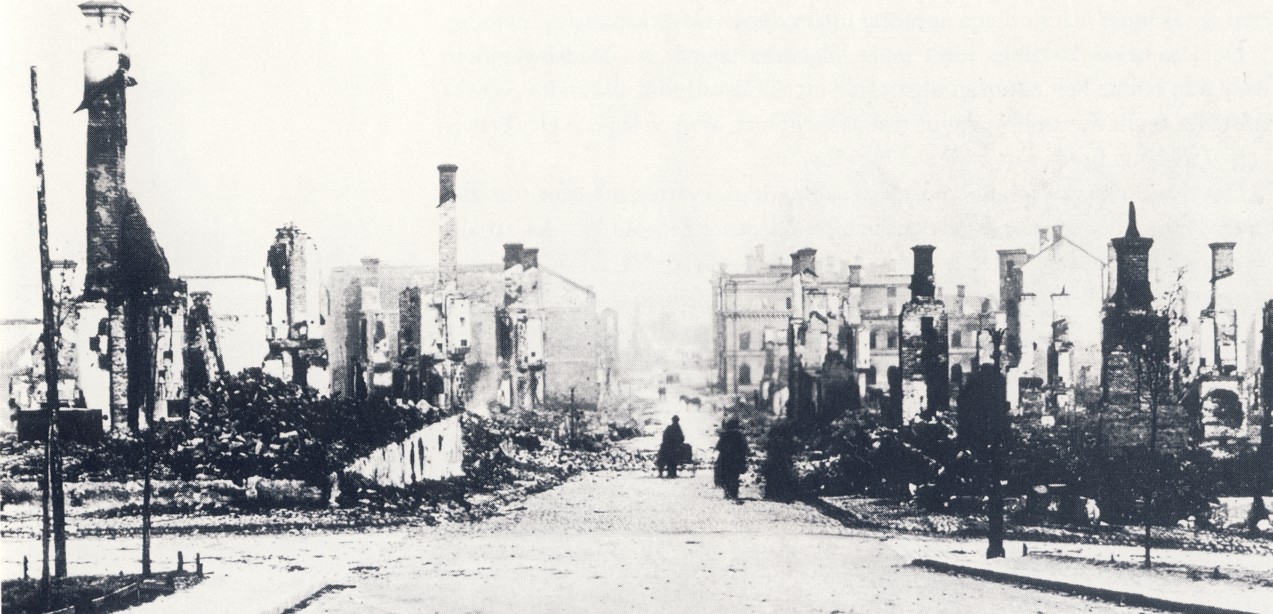
The Great Sundsvall Fire
Sundsvall, 25 June 1888
On 25 June 1888 one of the best-documented disasters in Swedish history unfolded in Medelpad. Sparks from the steamship Selånger ignited a pile of timber on land during an exceptionally dry and windy summer day. Within hours the firestorm had erased almost all of Sundsvall's inner city. More than 9,000 people were left homeless in a single afternoon, yet miraculously few died. The truly legendary decision came afterwards: the city was forbidden to rebuild in wood. Out of that prohibition rose the unique and stately Stone Town — Stenstan — that still adorns Sundsvall today, a direct monument to the catastrophe.
Open file →
The Volcano That Froze on Alnön
Alnön, outside Sundsvall
Alnön is known for its beautiful scenery, but the island carries a verified and extremely rare natural history. Some 570 million years ago the area was struck by enormous volcanic eruptions. It was not an ordinary volcano: it was a magma chamber filled with exceptionally rare, calcium-rich rock types. When geologists began to study the island they discovered the rock alkaline syenite and the unique alnöite, named after the island itself. Alnön is internationally known in geology because the special chemical composition of its magma makes the bedrock more similar to the African continent than to the rest of Scandinavia. The volcano froze. The island remembers.
Open file →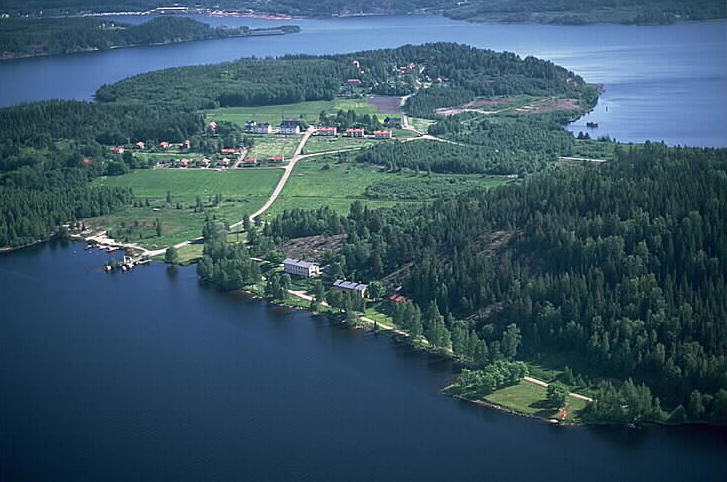
The White Lady of Svanö Manor
Svanö herrgård, Svanö in Ångermanälven
Svanö Manor, now a hostel, stands on Svanö island in the Ångermanälven and carries one of the county's best-known and most classical ghost legends, reaching back to the time of the witch trials. The manor's most famous house ghost is called Captain Elin, or the White Lady. According to the historical legend she was condemned for witchcraft in the 1600s. Before she was executed she is said to have pronounced a curse over the judge, Stedt, who had signed her death warrant. Through the years both guests and staff have reported unexplained events in the building: sudden and extreme temperature drops in specific rooms, the sound of heavy footsteps in empty corridors, and doors that are said to have locked themselves from the inside when no one was in the room.
Open file →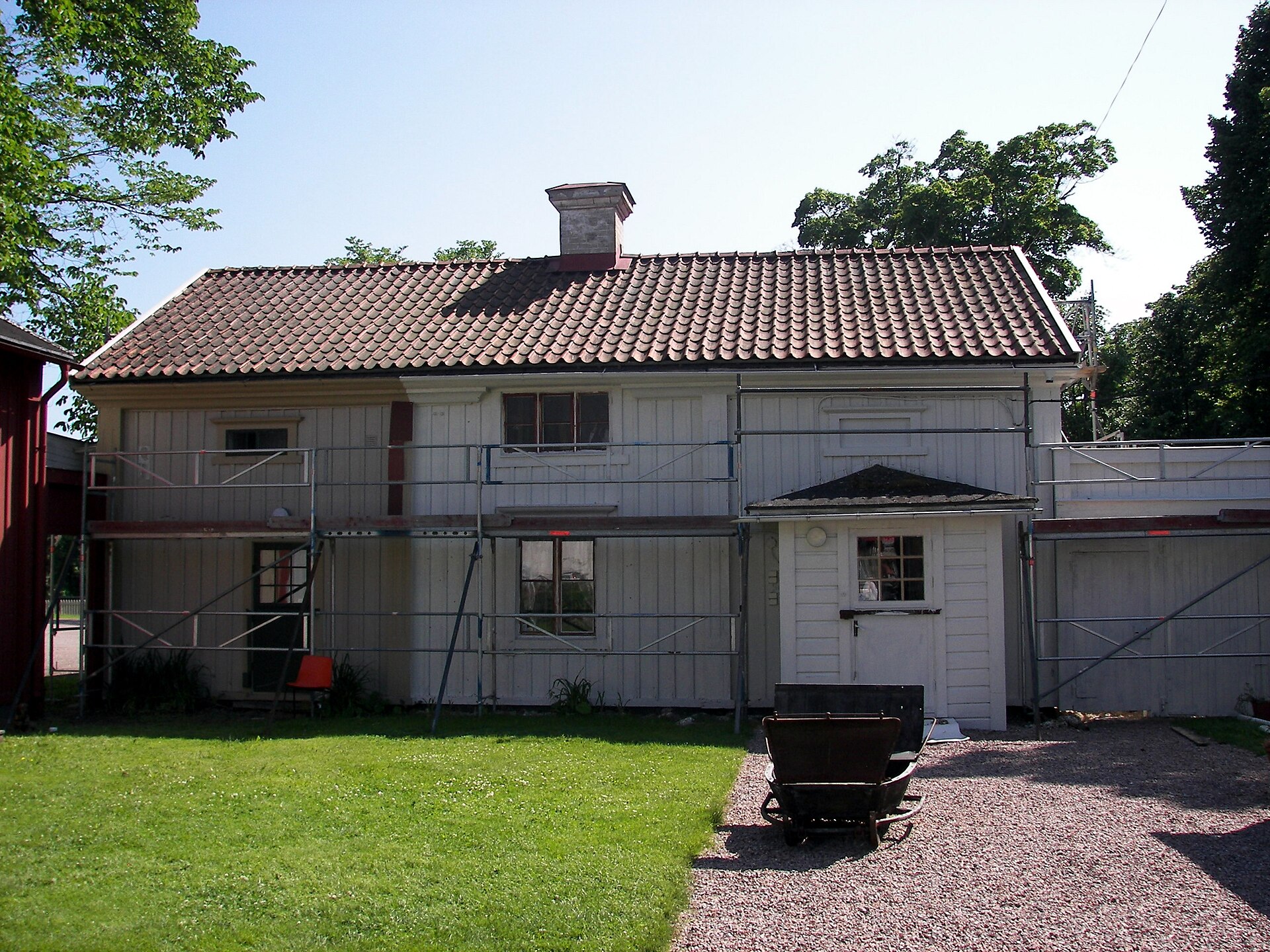
The Patrons' Invisible Guests at Svartvik Manor
Svartviks herrgård, Svartvik south of Sundsvall
Svartvik, south of Sundsvall, is one of the most important cradles of Swedish industry and is today a protected cultural heritage area. In the middle of this area stands Svartvik Manor, built in the 1820s as a residence for the sawmill patrons. It is historically well documented that the manor was the center of an intense and lavish social life during the glory days of the sawmill boom, when the patrons and their international guests held grand celebrations. The ghost stories here are rarely frightening; rather they are 'historical echoes' from the manor's heyday. Staff and visitors have testified to the sound of clinking glasses, faint party music and rustling gowns from empty salons. The best-known phenomenon, however, is 'the grateful guest' — an invisible figure said to make the beds in the manor's guest rooms or leave behind a faint scent of old pipe tobacco in the library.
Open file →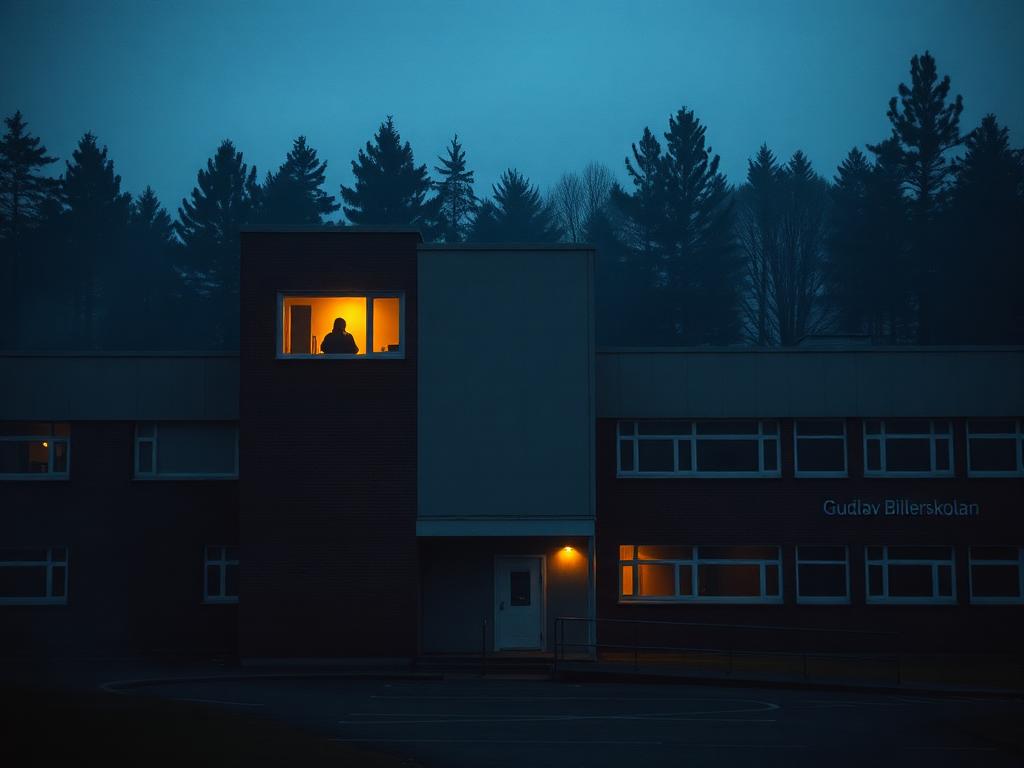
Gudlav Bilder and the Riddle of the Will in Sollefteå
Gudlav Bilderskolan, Sollefteå
The upper secondary school in Sollefteå, Gudlav Bilderskolan, bears a name that reaches back to one of Ångermanland's most legendary historical figures. On 29 July 1337 a wealthy colonist and chieftain named Gudlav Bilder drew up a magnificent will in Latin. Its purpose was to give large areas of land to the church to secure 'själagagn' — spiritual peace — for his deceased wife Rodhni and himself. Through the centuries it has been told that Gudlav Bilder's spirit never left the land because he wanted to watch over the strict conditions of the will. When the school was built on this very deeded land in 1971, local stories arose about strange sounds in the building during late evenings, giving rise to the old Sollefteå saying that 'Gudlav Bilder walks again' to inspect his estates.
Open file →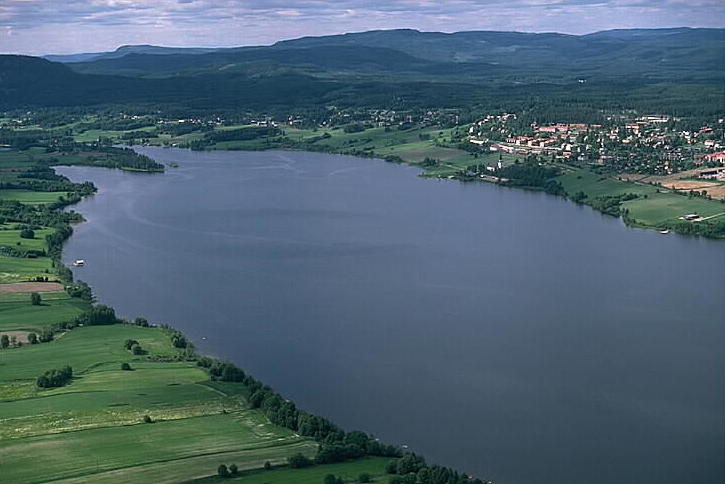
The Troll Chair of Fränsta
Fränsta, Medelpad
In the forests outside Fränsta in Medelpad stands one of the region's most peculiar and physically verified natural mysteries. Locally it is called the Troll Chair, or the Giant's Chair — a colossal glacial erratic that has split and weathered until it resembles a perfect monumental chair, complete with armrests and a backrest, standing alone in the wilderness. The old folk tales said it was a resting place for the giants or trolls when they moved through the country. Geologists have been fascinated by the boulder's unique placement and form. For centuries the place has drawn people searching for the hidden beings of the forest. The stone waits. The forest does not explain itself.
Open file →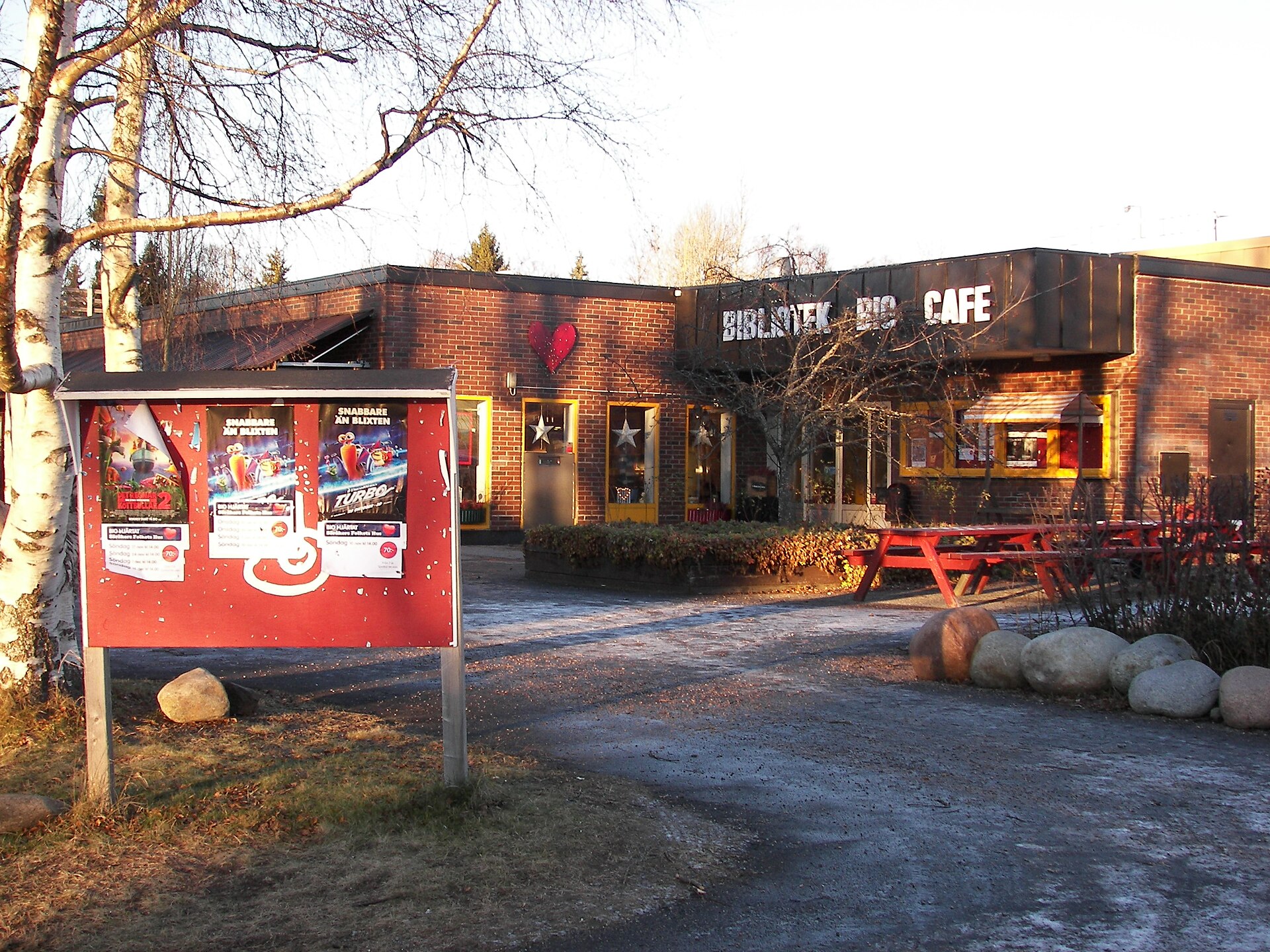
The Invisible Audience of Söråker Cinema
Söråkers folkets hus, Söråker
The old People's House in Söråker has a long history reaching back to the early labour movement and the sawmill boom. For decades the building has served as cinema, theatre and assembly hall, but it also carries very specific testimony from the staff. Unlike the classical manor-house ghosts, the stories here belong to the theatre and cinema itself. Several employees who locked the building late at night have reported the sound of cinema seats folding up and down in the completely empty, darkened auditorium — as if an invisible audience had just risen and left the room. The local cultural association has discussed the phenomena openly, and over the years the 'invisible guests' have become a natural part of the house's unique character and history, regarded with great respect.
Open file →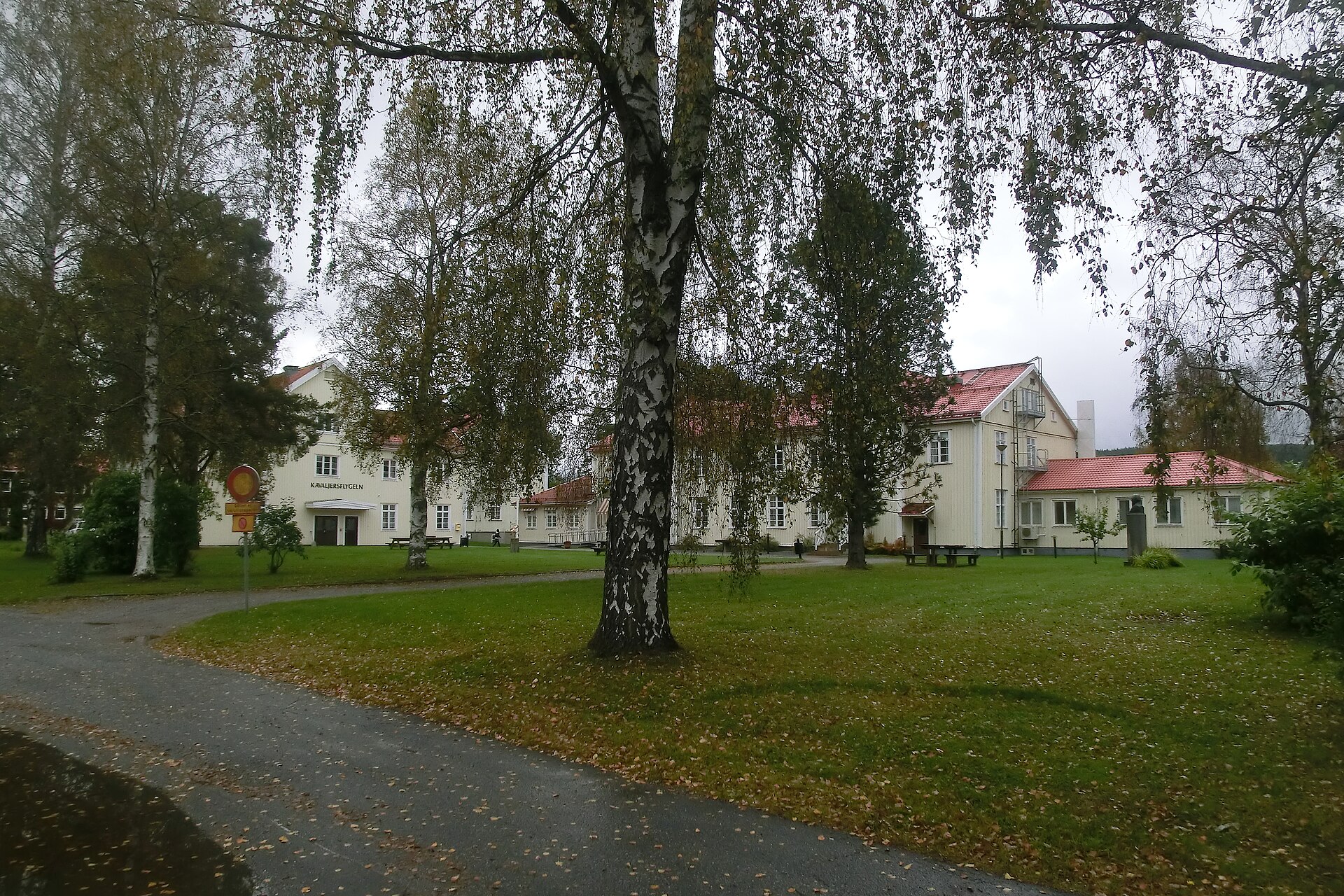
The Historical Echoes of Hola Folk High School
Hola folkhögskola, Prästmon
Hola Folk High School in Ångermanland was founded in 1896 and is one of Sweden's oldest folk high schools. The historic main building of timber carries more than a hundred years of intense educational history, but also recurring ghost legends among students and teachers. The best-known story tells of an older, strictly dressed woman — often called 'the Schoolmistress' — who is said to walk the older corridors and dormitories at night to make sure all is quiet and that the students behave themselves. Through generations of students who have lived at the school, stories have been passed down of sudden footsteps in the attic, doors that open without a draft, and a feeling of a watchful but absolutely not frightening presence in the old study halls after dark.
Open file →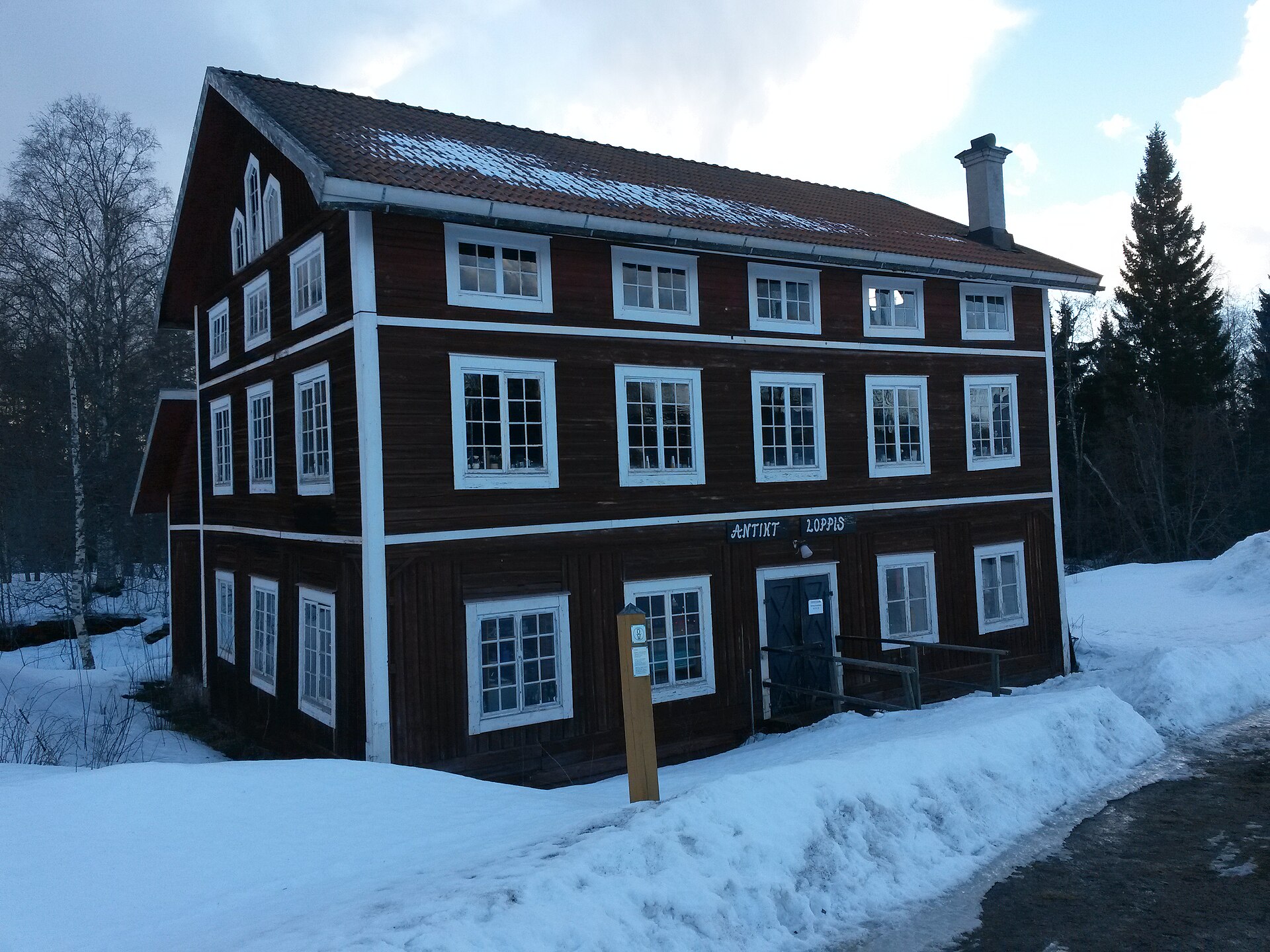
The Summer the Disc Came Down
Graninge, 1950s
One warm summer day in the 1950s, a boy in Graninge looked out toward the field between the lake and the village and saw a disc-shaped craft on the ground. From a distance he watched small figures with a strange appearance working to knock loose pieces from the hull. Later the boy made contact with the beings and was given a task: to bury parts from the craft in the earth.
Open file →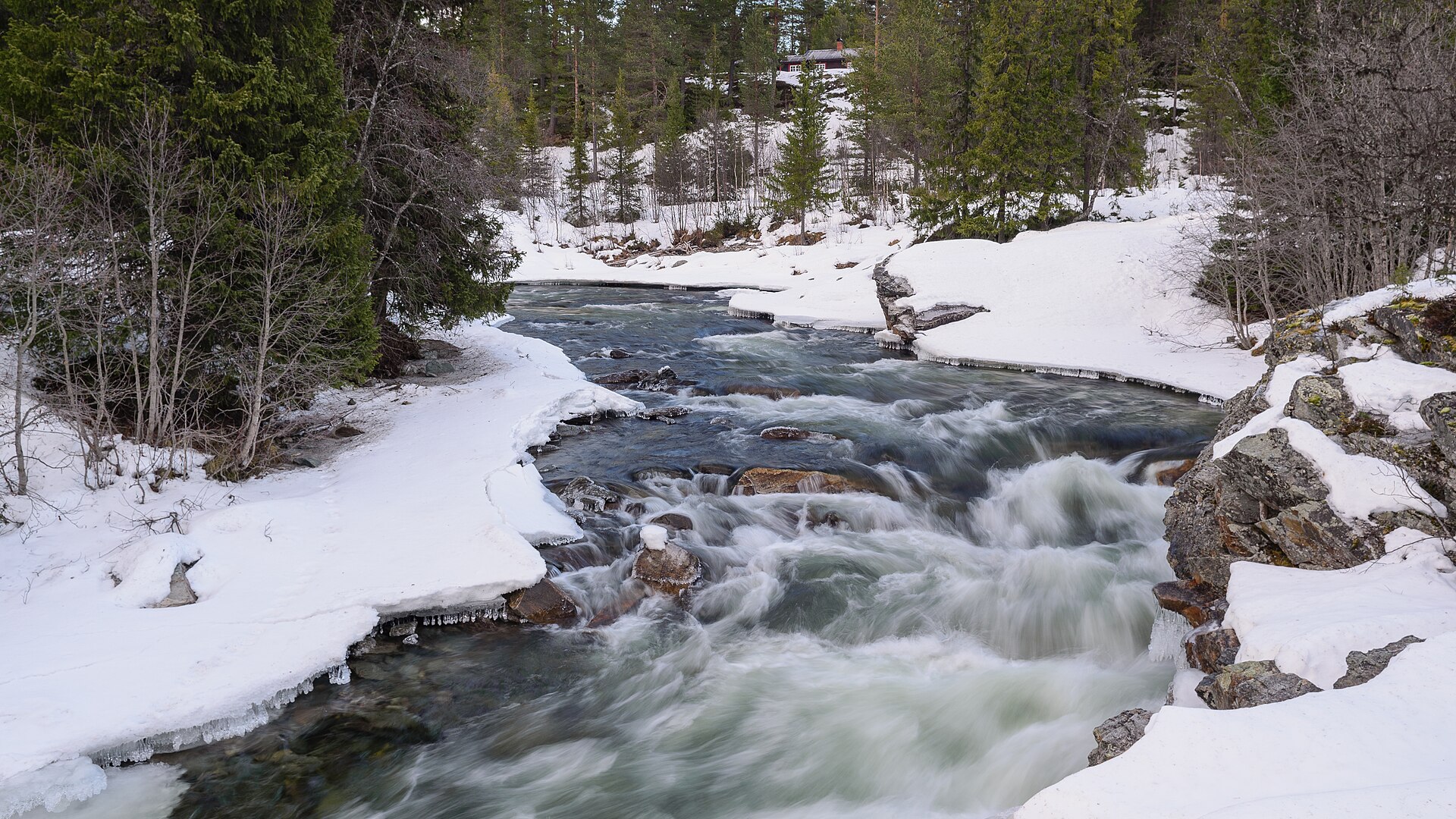
The Light That Rose from the Ljungan
Allsta, 1982–1983
Three boys on the shore of the Ljungan in Allsta watched a ball of light drop from the sky. It was the size of a car and hung motionless and silent above the water. After about thirty seconds it shot straight upward at impossible speed and vanished. The boys had photographed it, but when the film was developed the frames came back blank. They decided not to tell anyone, afraid they would not be believed.
Open file →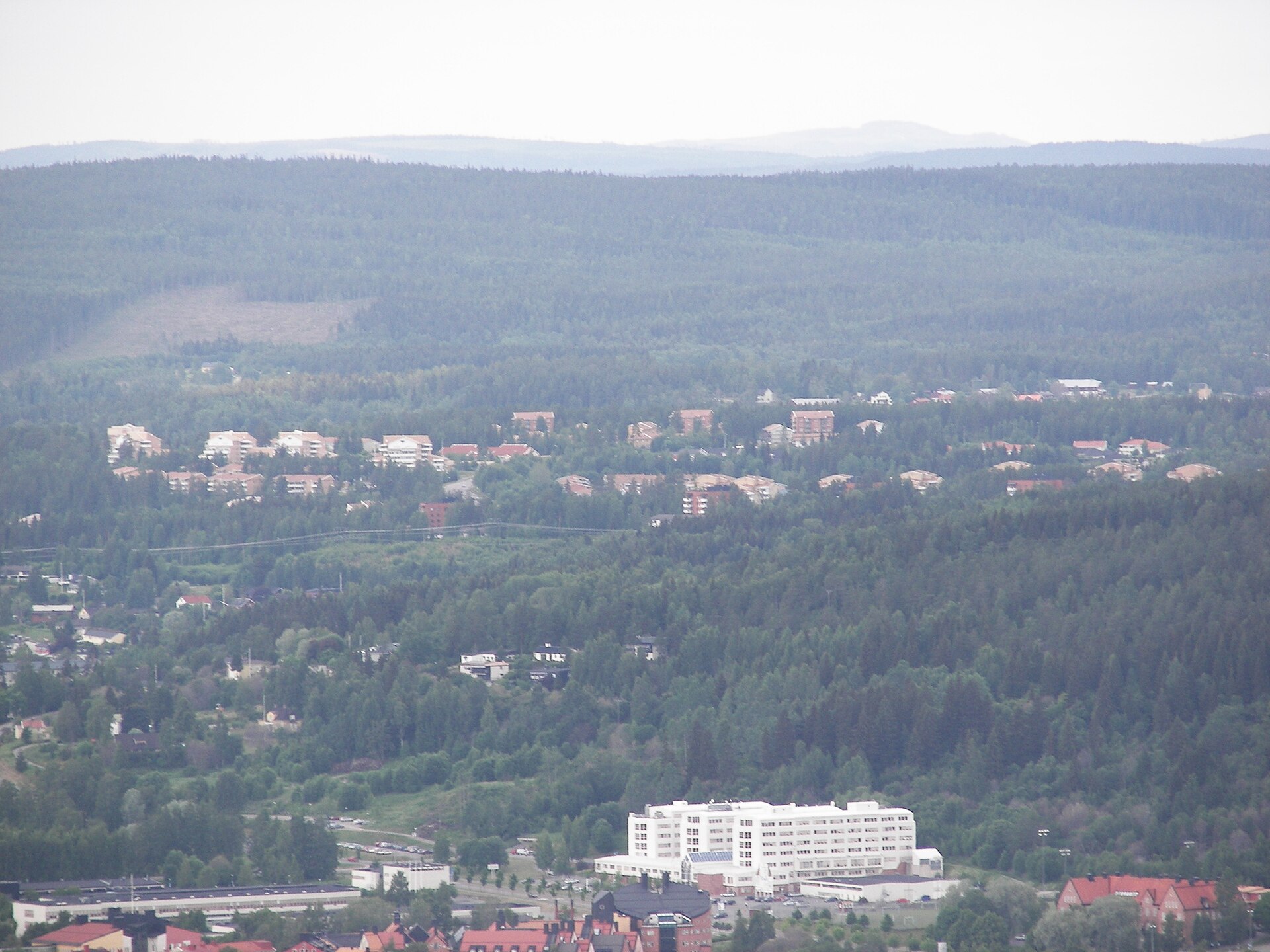
The Disc Above the Neighbourhood
Granlo, 4 January 1984
A woman in a high-rise flat in Granlo saw a large yellow-white glow glide across the sky. It was oval and flat like a disc. It passed the neighbouring block so low that at first she thought it would land on the roof. Then the object turned toward Nacksta and disappeared.
Open file →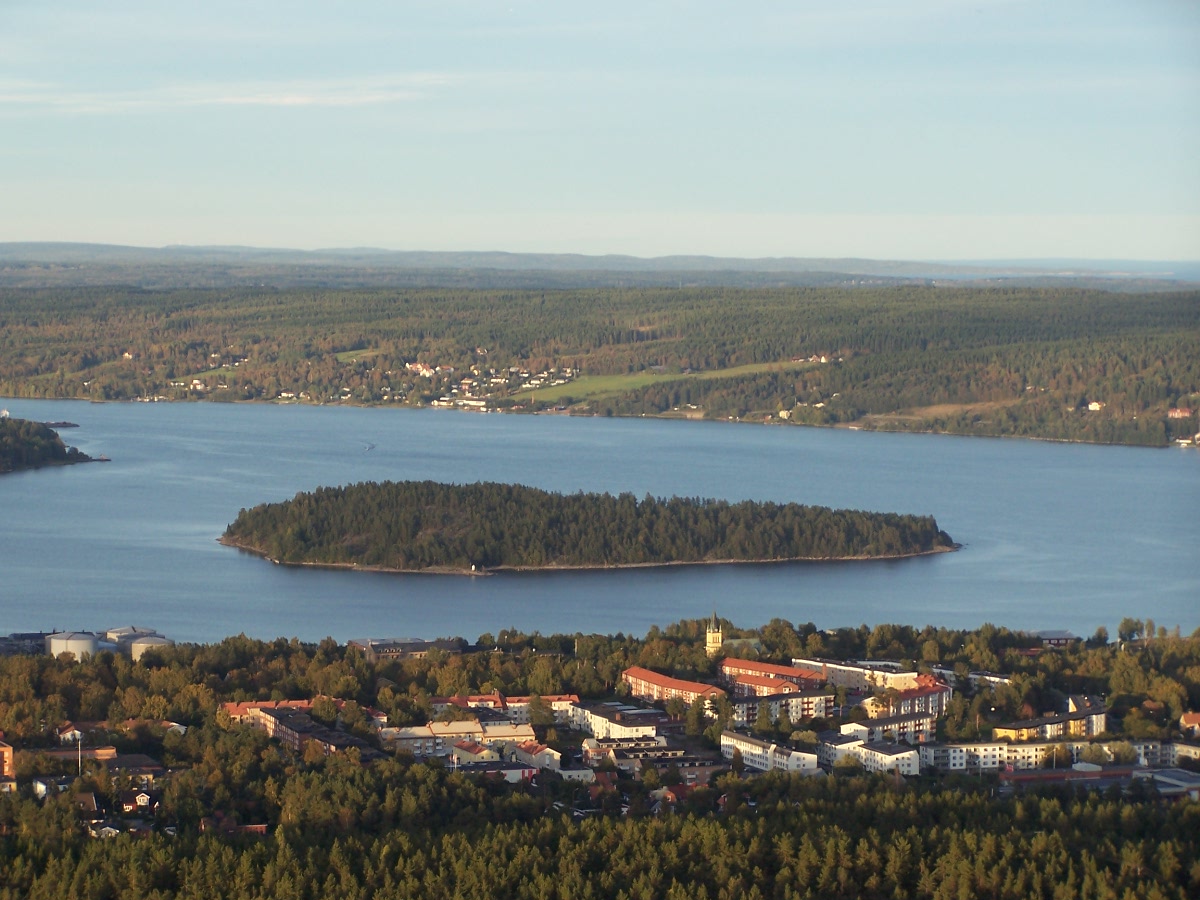
The Morning Paper Object
Skönsmon, 4 January 1984
A woman in Skönsmon was about to fetch the morning paper when she suddenly saw a fully lit, oval object fly past at high speed and low altitude, roughly twenty metres above the ground. It was silent, came in from the harbour area in the northeast and disappeared in a south-westerly direction.
Open file →
The Two Objects Over the Power Lines
Nacksta, 10 November 1986
A man and a woman in Nacksta saw two flying objects. One of them descended and hovered back and forth just above the treetops, over a power-line corridor. The other accelerated south at tremendous speed, then returned to the same spot and stood motionless in the air. Then both objects flew away.
Open file →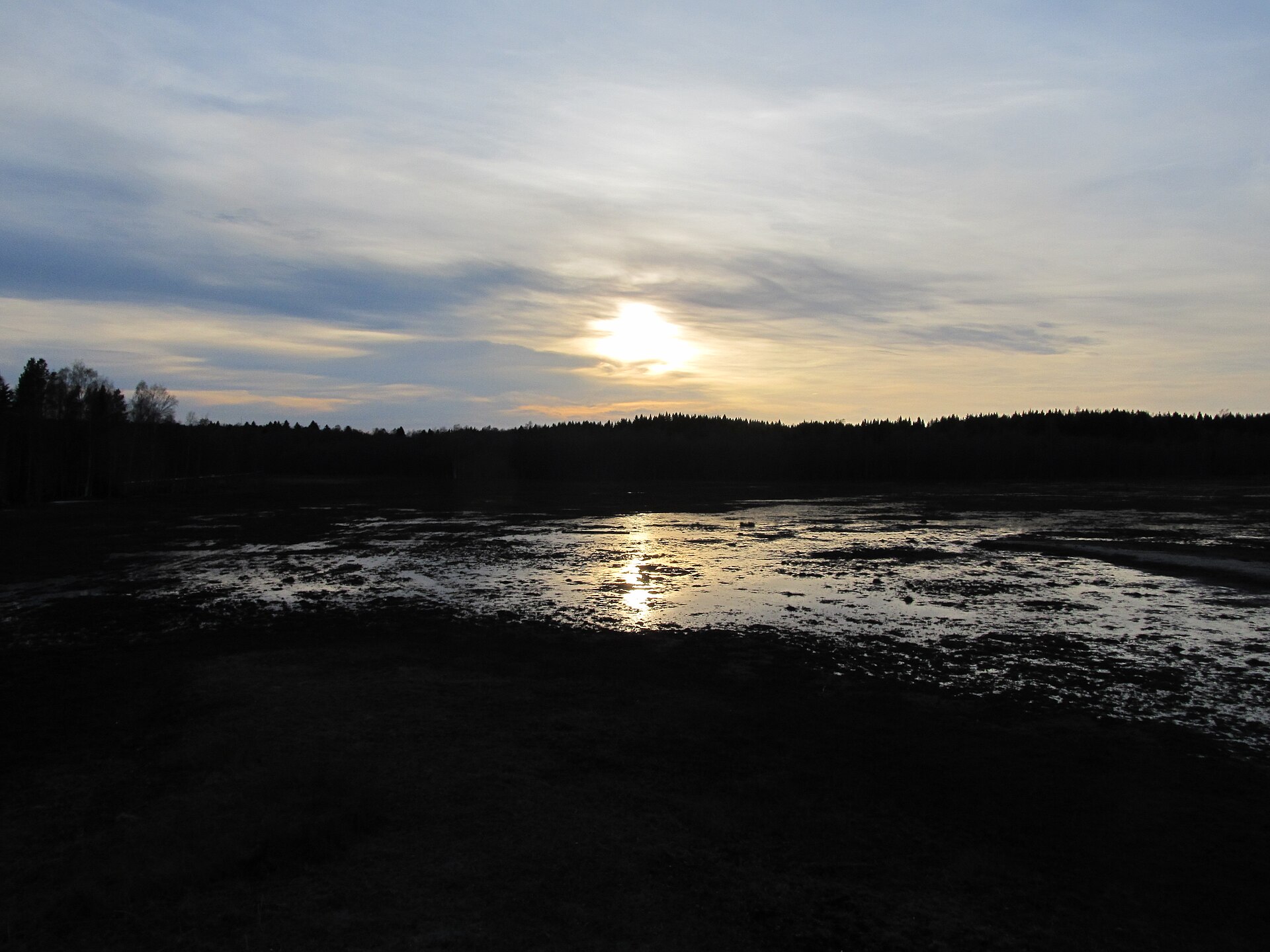
The Red Lights at Stornäset
Alnö, 26 February 1996
A woman was driving on Alnö when, near Stornäset, she saw a silent, glowing red object hanging in the air about ten metres above a birch grove. She stopped the car and was about to get out when the lights suddenly accelerated at incredible speed and moved roughly two hundred metres to the east. Frightened, she jumped back into the car. Further on she saw the red lights again, high up in the vault of the sky.
Open file →
The Cigar Over Coffee
Njurunda, 20 July 1996
Three people were sitting in a garden in Sörböle having coffee and cake when a cigar-shaped object, silent, silver-coloured and five or six metres long, flew past twice. It passed at an estimated altitude of three hundred metres above their heads, moving at least a couple of hundred kilometres per hour.
Open file →
The Silent Craft Beside Kubenbadet
Kubikenborg, 29 April 2009
A couple was driving through Sundsvall around eleven in the evening when they saw a craft in the sky. It was completely silent, with two strong lamps that lit up and then went dark, and several smaller lights that blinked and glowed. They watched the object for at least five minutes. It travelled south alongside Kubenbadet and then disappeared into the darkness.
Open file →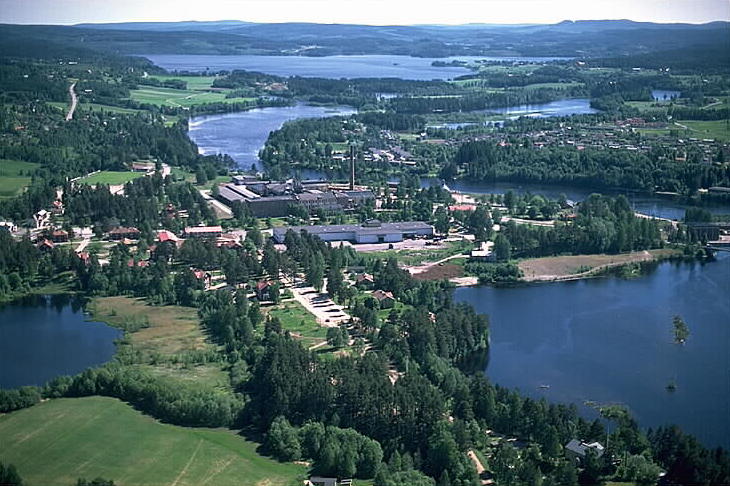
The Pulsing Orb of Västerböle
Matfors, 22 March 2014
At about eleven in the evening a person saw a mysterious light phenomenon in the night sky over Västerböle: a round orb that grew stronger and weaker in turn. The orb was visible for several minutes before it flew off toward the southwest.
Open file →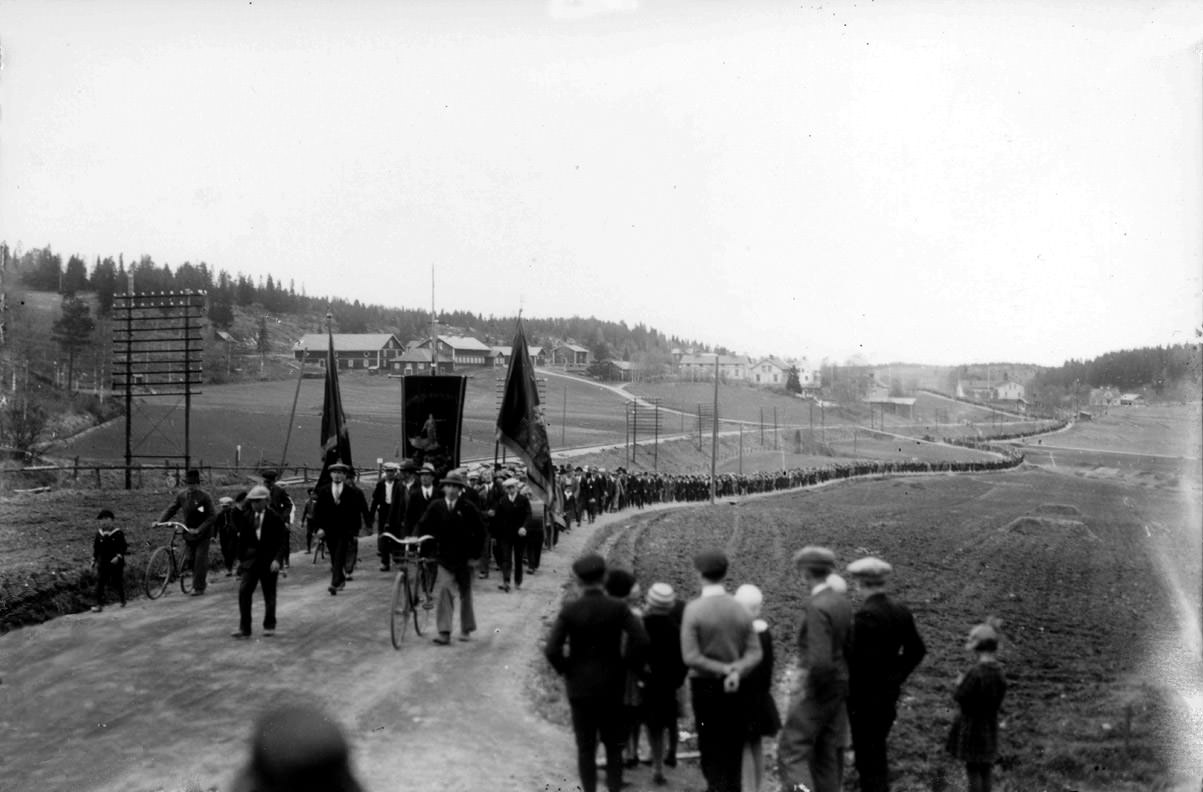
The Shots in Ådalen
Lunde, 14 May 1931
After the crash of 1929, employers in the sawmill district of Ådalen wanted to cut the workers' wages. The workers went on strike; the employers answered with strikebreakers. A large, peaceful demonstration of thousands marched toward Lunde to protest. The military was called in to keep order. As the demonstrators approached, the troops opened fire with machine guns and rifles. Four demonstrators and a passing bystander were killed; many more were wounded. The outrage spread across the country and became a turning point in the Swedish labour movement, helping push the sawmill valley toward the model of negotiation and consensus that would later be sealed in places like Saltsjöbaden.
Open file →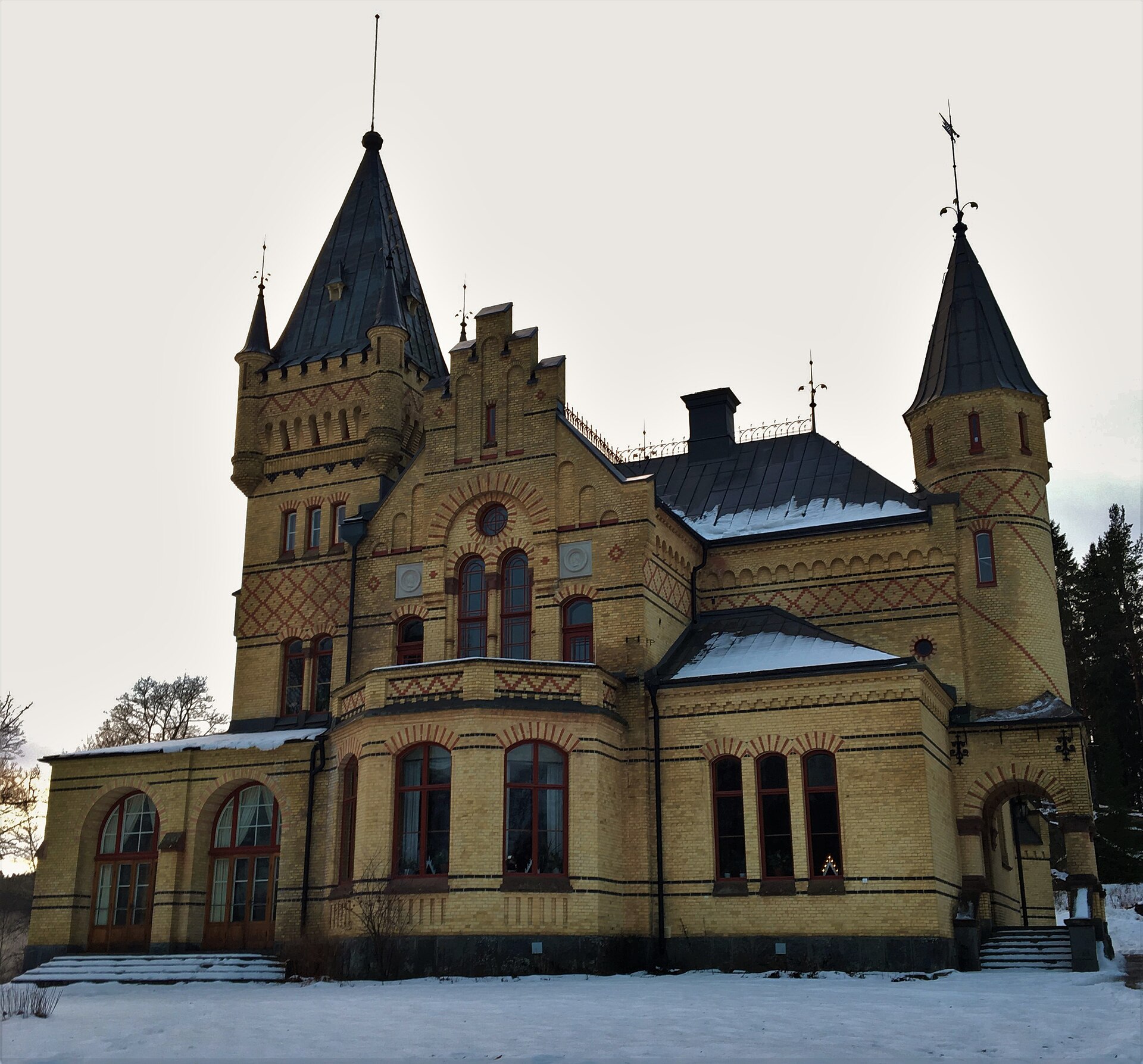
The Archives at Merlo Castle
Merlo slott, Timrå
Between 1883 and 1885 the timber magnate Fredrik Bünsow raised a palace in Timrå that the district had not asked for. Villa Merlo — Merlo Castle — is the only castle in Norrland, and for decades it served as the central archive of SCA, the forest company that inherited the river and the woods. The building became a quiet workplace filled with historical documents, and the silence settled into the walls. Unlike anonymous internet rumours, the stories from Merlo are written down. Night guards and archive staff, working independently of one another, have reported dull, unexplained sounds from the upper floors after dark, the feeling of being intensely watched in the empty archive vaults, and shadows moving in the grand staircases when the building was locked. The castle is open now. Some of its rooms are not.
Open file →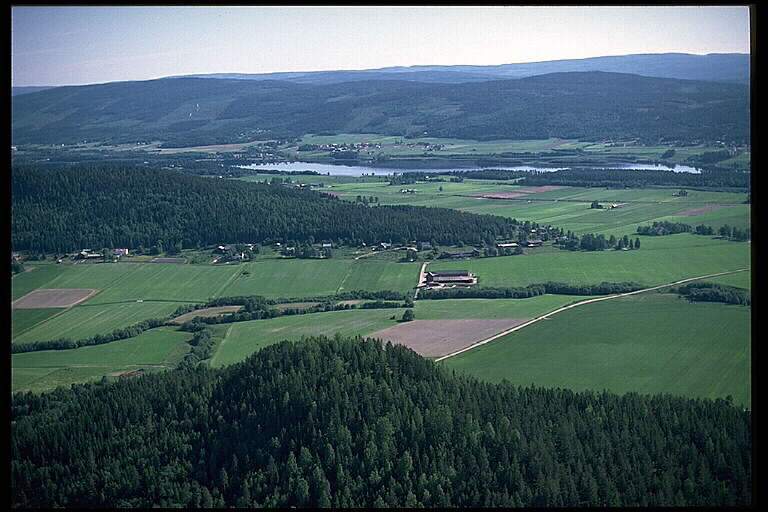
A Grave Matter
Viks by, Torsåker
The Antiquarian's card for Vik is a report of something that is no longer there. It records no coordinates. Where the field for map position should be, the surveyor left the line blank. What it does record is this: on the rising ground above the tilled field at Vik there was an opened and damaged mound, and the traces of two more in which a sword and a spearhead had been found. Another mound had been cut through to make a road. Sidenbladh wrote this down in 1865. Ekdahl had been there before him, in 1827, and noted only that a farmer named Nils Jansson had thrown out the mounds twenty years earlier when he broke the ground for cultivation, and that there were others nearby. Later the inventory reader K-G Selinge went over the two accounts and concluded that more graves had stood in the village than either man had listed. The whole area is now registered as a burial ground, a grey shape drawn on the map between Vangsta and the Vik farms, with nothing inside it to see. Iron was buried there with the dead, which places the graves in the last centuries before the church arrived. The ploughing continued for another hundred and fifty years.
Open file →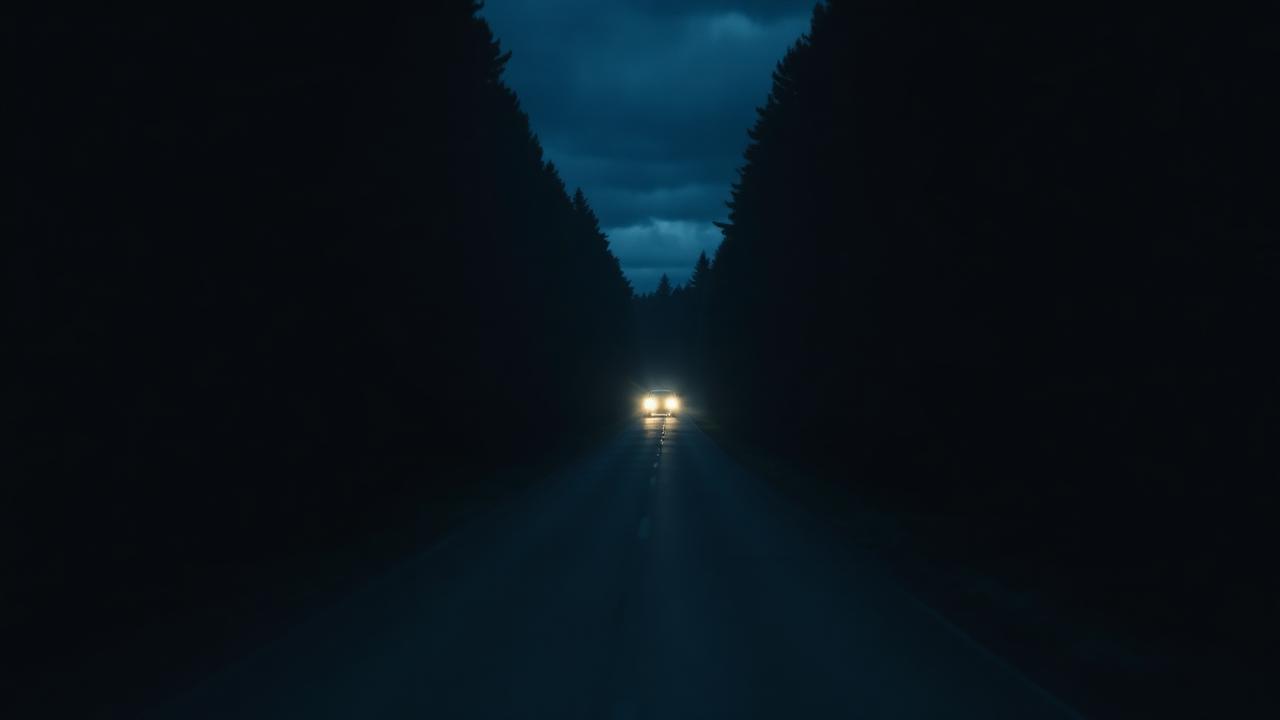
The Road North
Simsjövägen, Dals distrikt, Kramfors
There is a road that leaves the settled country and runs through kilometres of unbroken forest. It is called Simsjövägen. It has no fame, and almost no one uses the name. The stretch is under investigation by this archive. We are not ready to say why. What can be said is this: the road does not go anywhere it needs to go. It is unpaved, passes no village, serves no farm that could not be reached another way, and yet it exists, and it is driven. The investigation continues.
Open file →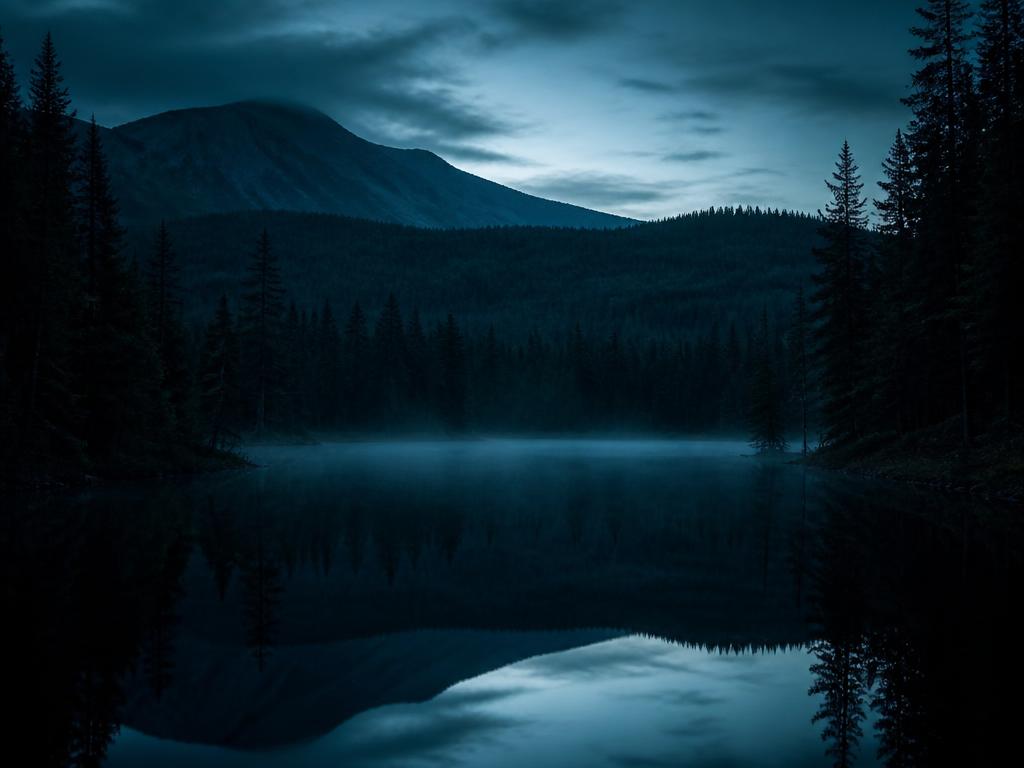
The Devil's Tarn
Djupdöveln, Torsåker
Djupdöveln is a lake and tarn in Kramfors municipality, in the province of Ångermanland, within Västernorrland County. It lies in Torsåkers district, a little more than seven kilometres north-northwest of the village of Nyland, and belongs to the main drainage basin of Ångermanälven. The land around it is broken and steep, crowned by the nearby height of Djupdövelsberget. In Norrland place-names the word carries a transferred sense: a 'devilishly deep hole', a bottomless pool, a dark and inaccessible forest tarn. Djupdöveln means, almost literally, the deep devil's hole, or the bottomless devil's tarn. The water is black where the sky enters it. The surrounding spruce hold the shore in shadow even at noon. We are looking into what has been seen there, and what has not come back.
Open file →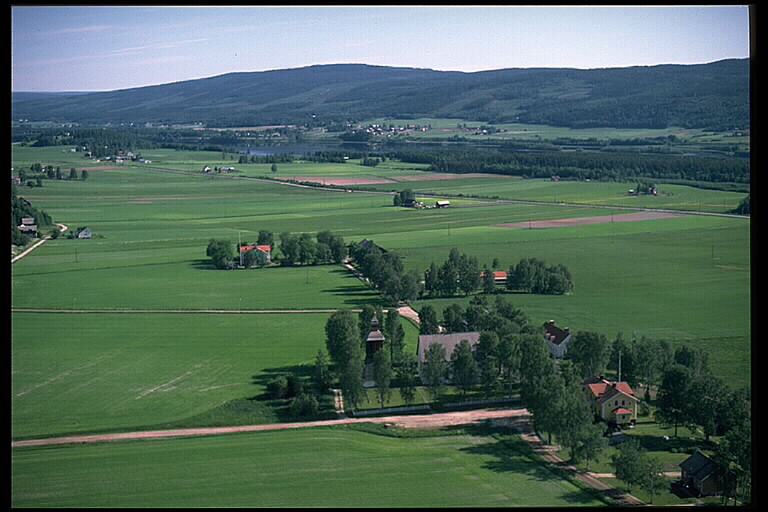
The Skeleton Field
Björned, Torsåker
Skelettåkern — the Skeleton Field — is an old farm burial ground in Björned, in Torsåker parish, Kramfors. The folk name came first, long before the archaeologists: for generations the people of the village found bones in the soil where they worked. In the 1980s the field was excavated, and the bones were given a context. It is a farm grave field and an early Christian burial place, from the centuries when the district was passing into a new faith. Twenty-eight individuals were taken from the ground. Their teeth told of toothache. Their bones told of kinship, health and diet — of lives lived here a thousand years ago, in a village that was changing and did not know yet into what. The people of Björned had known about them all along. The field kept giving them up, one ploughing at a time.
Open file →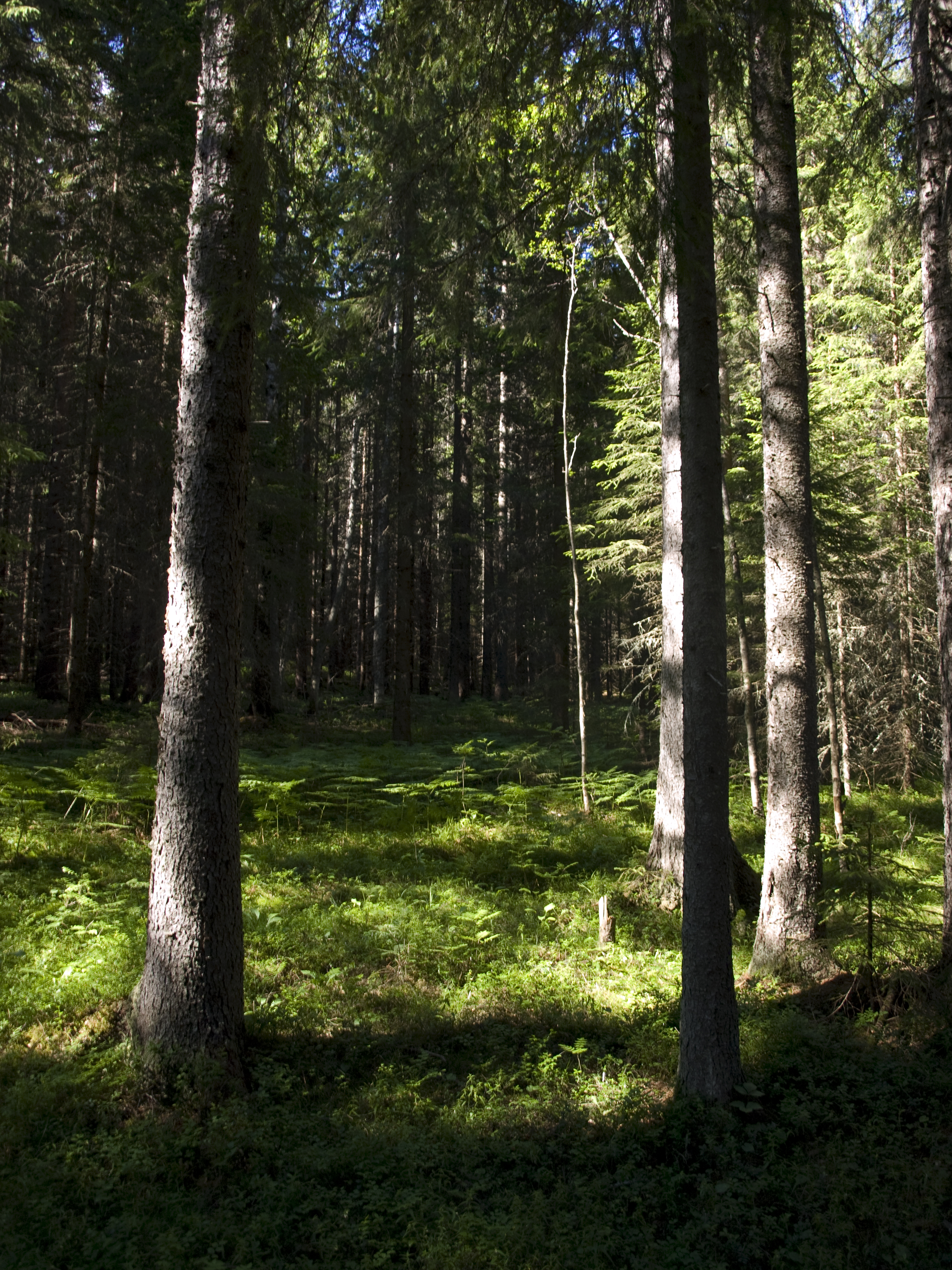
The Haunting at the Execution Place
Skuleskogen, between Nätra and Vibyggerå
Between Nätra and Vibyggerå lies Skuleskogen, a forest old enough to have kept the things that were done in it. In former times there was an execution place here, and the road that passed through it never forgot. A farmer was driving that way when his horse stopped dead. No whip, no shout, no weight of the cart could make it move. He unhitched the animal and looked through the holes of the harness pins. What he saw then stayed with him: the road was crowded with cattle and people, and every one of them was headless. He hitched the horse again, and the horse went on.
Open file →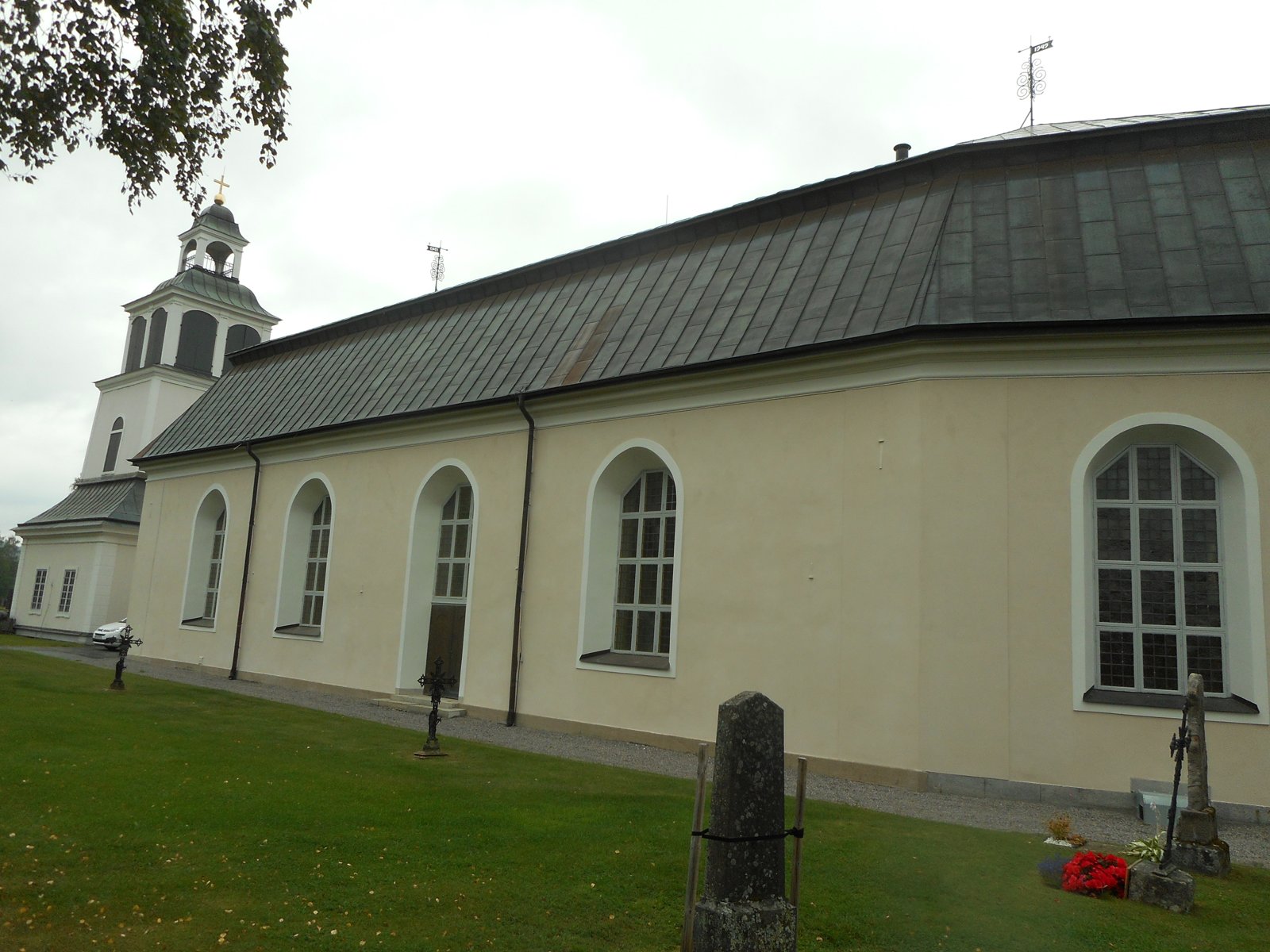
The Sollefteå Witch Trials
Sollefteå parish, Ångermanland
In 1674 the accusation reached Ångermanland. It had come up the country the way weather does, one parish at a time — the belief that women were carrying children to Blåkulla in the night. In Sollefteå the court sat and the children were asked to name names, and they named them. Neighbours testified about neighbours. The records list women whose whole lives are otherwise absent from history: they exist in the archive only as the accused. Some were condemned. The panic burned through the district and then, as suddenly as such things do, it went out — and the parish went on living beside itself, with everyone knowing exactly who had said what.
Open file →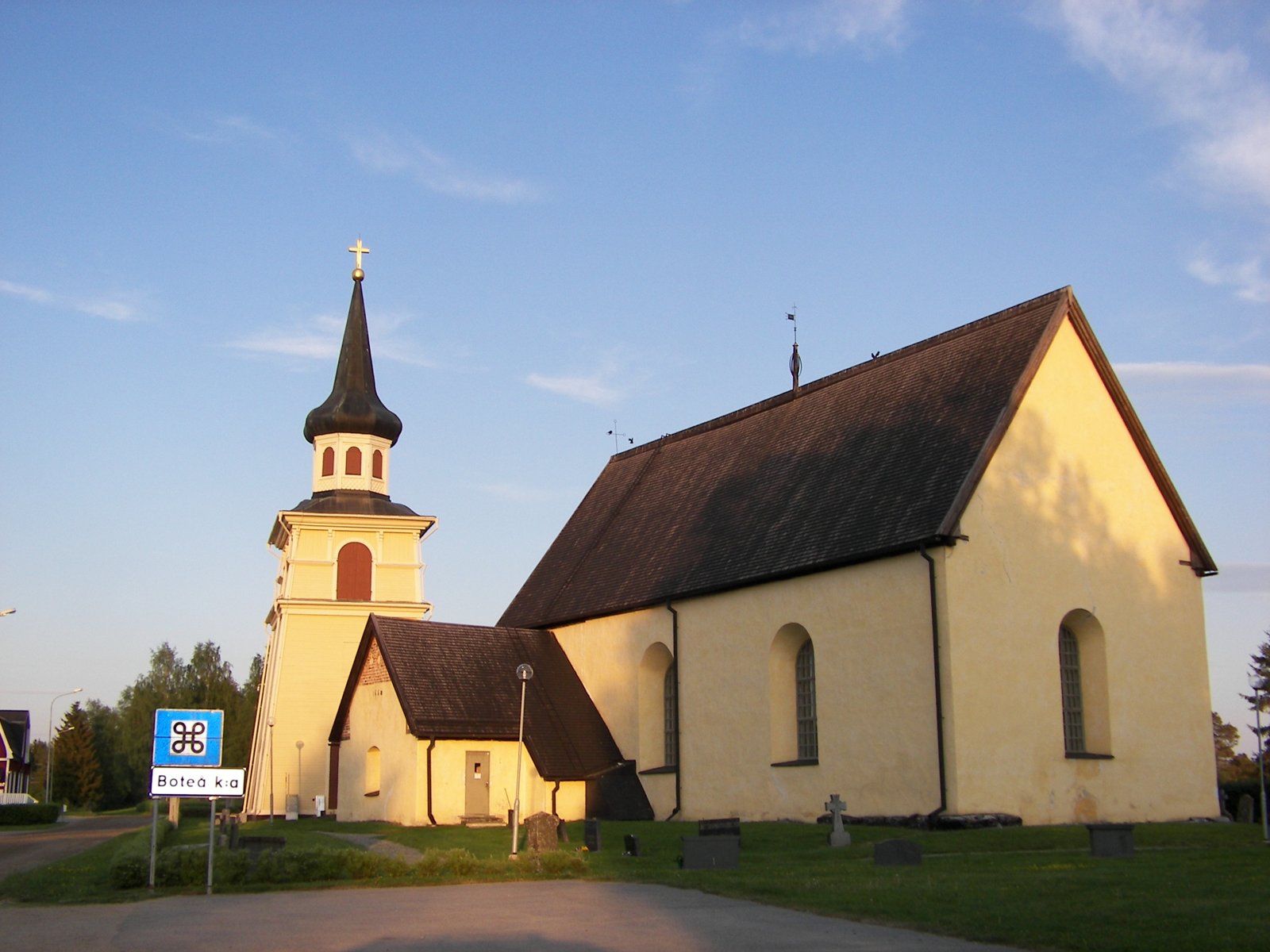
The Boteå Accusations
Boteå, Ångermanland
The same year the fear crossed into Boteå, and stayed longer. Between 1674 and 1675 the commission worked its way through the villages along the river. The pattern was always the same: a child spoke, a name followed, and a woman was fetched from her own kitchen. Boteå had known trouble before — the parish had risen against the crown a century earlier — but this was a different kind of trouble, the kind that comes from inside a community rather than from outside it. When it ended there was no reckoning and no apology. The court records were closed, and the river went on the way rivers do.
Open file →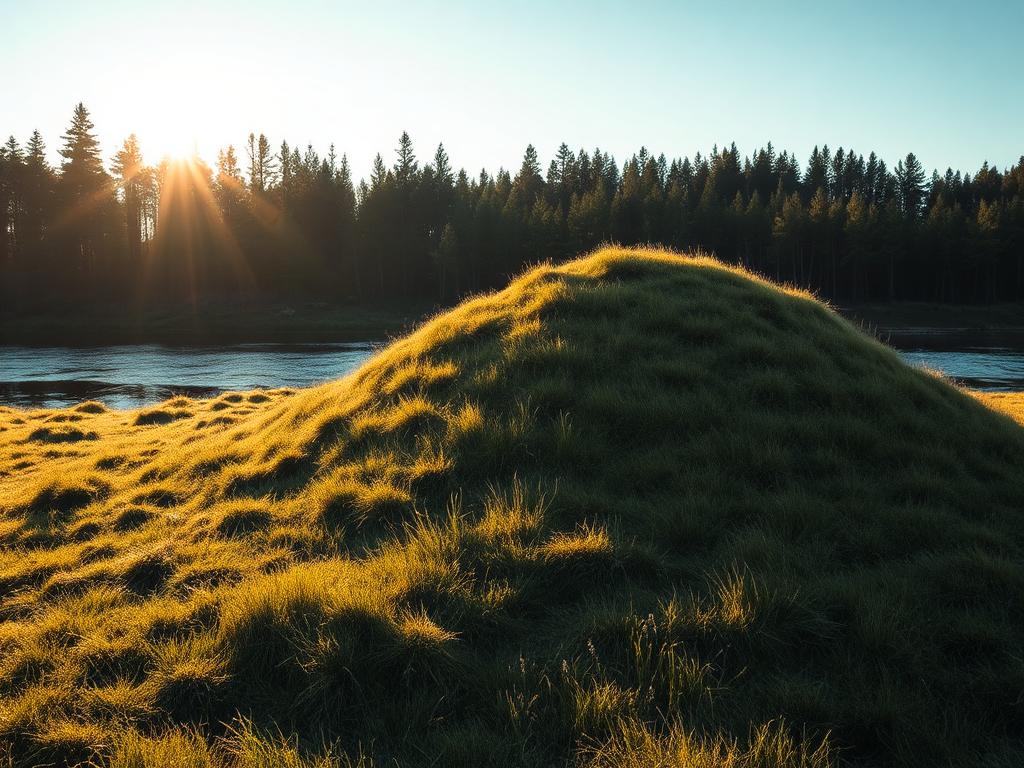
Gudmundshögen
Frånö, Ådalen
Above Frånö lies a mound, and the mound has a name: Gudmundshögen. Local tradition says a chieftain called Gudmund lies inside it with his gold, and that the gold is guarded — that those who dug for it were turned back by things they would not describe afterwards. Whether anyone lies in it at all is a separate question from whether the story is true, and in Ådalen both questions have been left standing. The mound is a green shoulder of ground above the river. It has outlasted the sawmills that grew up around it and it will outlast what comes next.
Open file →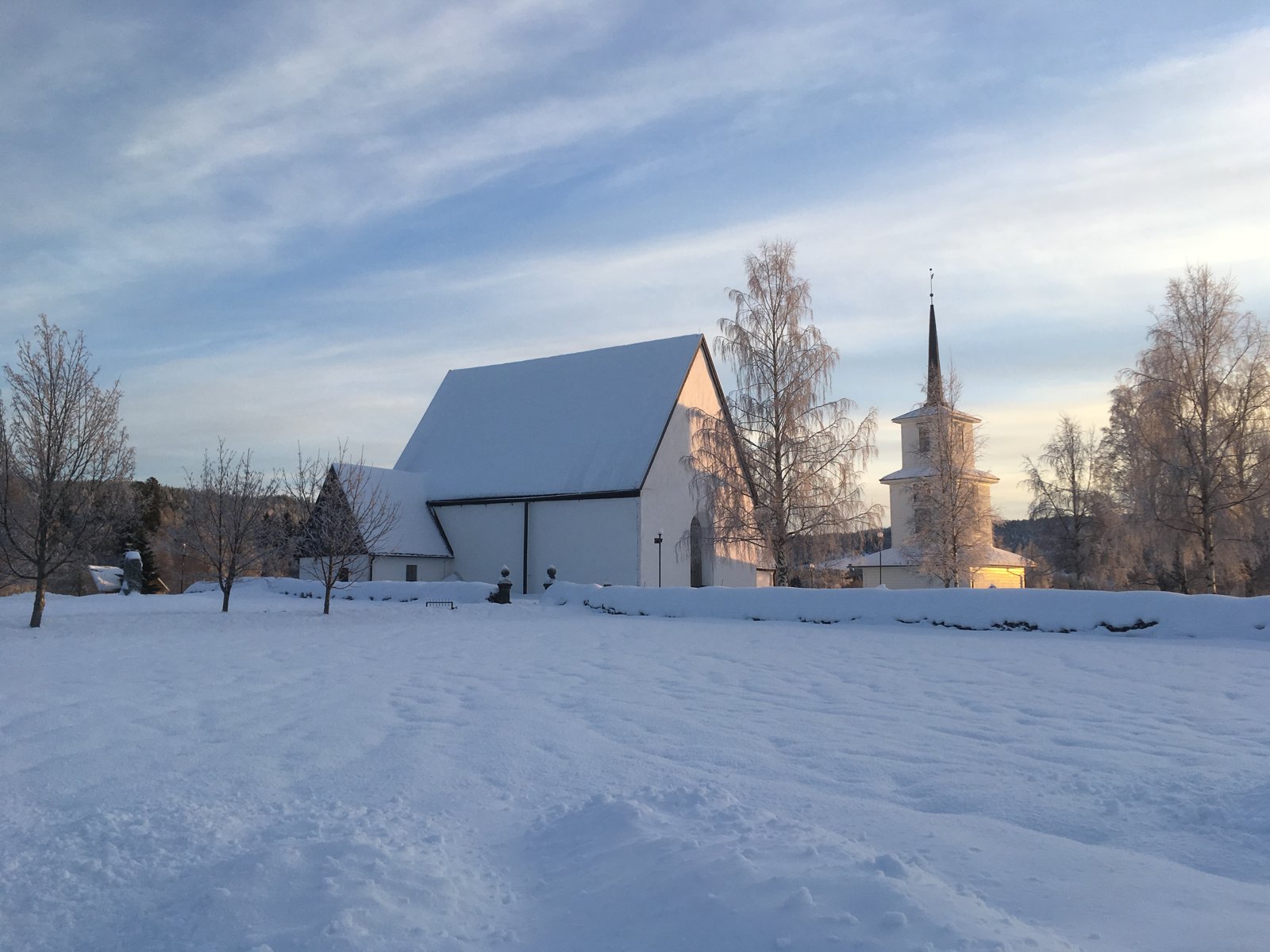
The Church Built in the Plague Year
Sidensjö, Örnsköldsvik
Sidensjö church is one of the oldest stone churches in Ångermanland, and the parish has an explanation for why the work stopped. The Black Death came, the story goes, and took the builders — so many that the stone lay where it had been dropped and the walls waited for a generation that could finish them. The dating is disputed, as such things are. But the legend has been told in the parish for centuries and it carries something the documents do not: the memory of a year when the labour simply ceased, and everyone knew why.
Open file →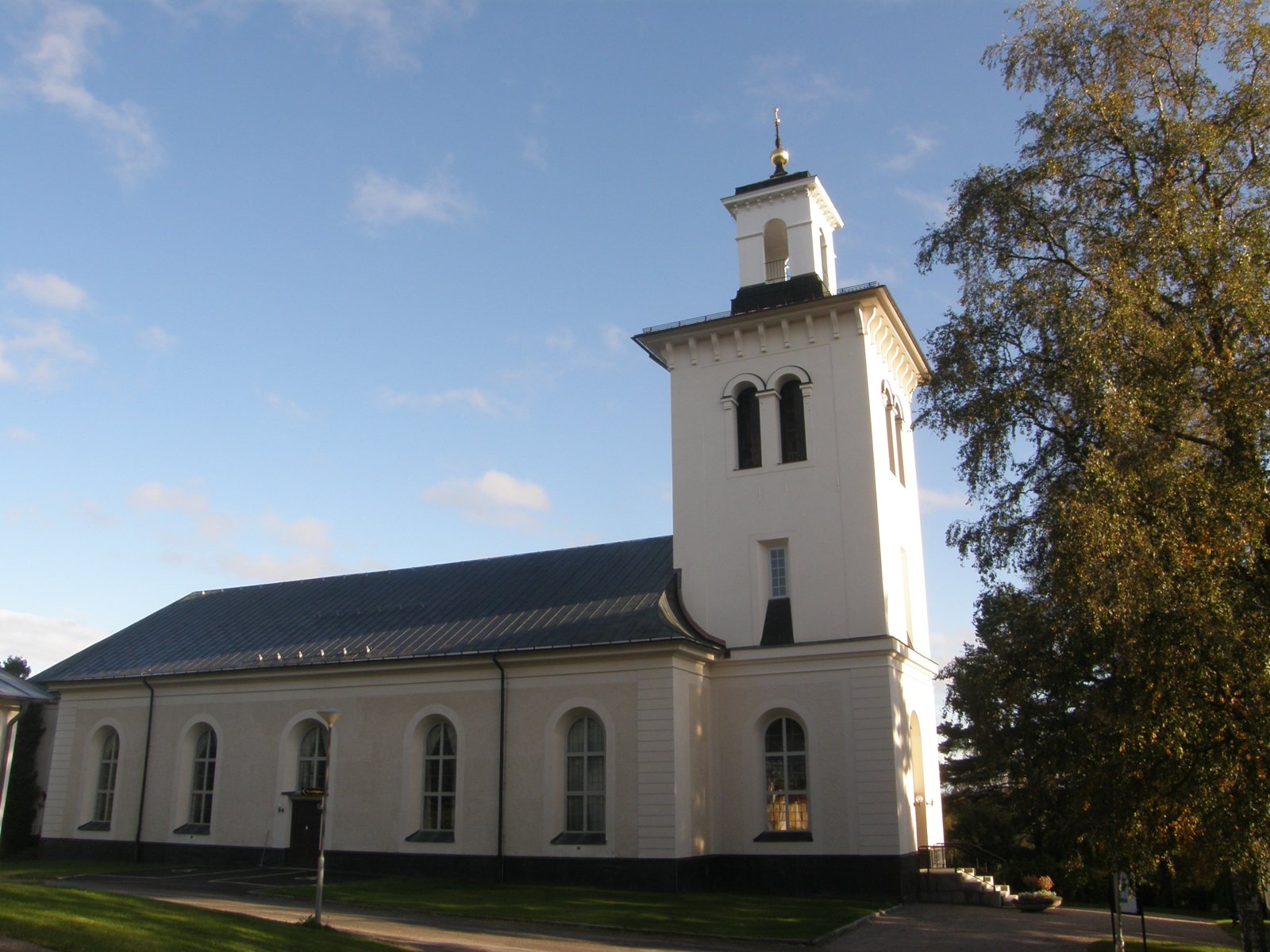
Jutstugan
Hässjö, Medelpad
The Antiquities Register lists it dryly: plats med tradition, L1935:153. A place with tradition. Jutstugan is a cave in Hässjö, and the name means the Jute's cabin — a memory of the Danish raids, when soldiers or fugitives were said to have sheltered in it. Other tellings put something older in there. What is documented is only that the parish has pointed at this hole in the rock for as long as anyone has been writing things down, and has said: something happened here. The register records the tradition without deciding on it. So do we.
Open file →
The Trinity Spring at Sättna
Sättna, Medelpad
Registered as L1935:6465 — källa med tradition, a spring with tradition. At Trefaldighetskällan in Sättna, people came on Trinity Sunday night, in the hours when the water was held to be strongest. They drank, they washed the sick part, and they left a coin. The practice is older than the church that gave the day its name, and the church tolerated it because it could not do otherwise. The spring is still there. So, sometimes, are the coins.
Open file →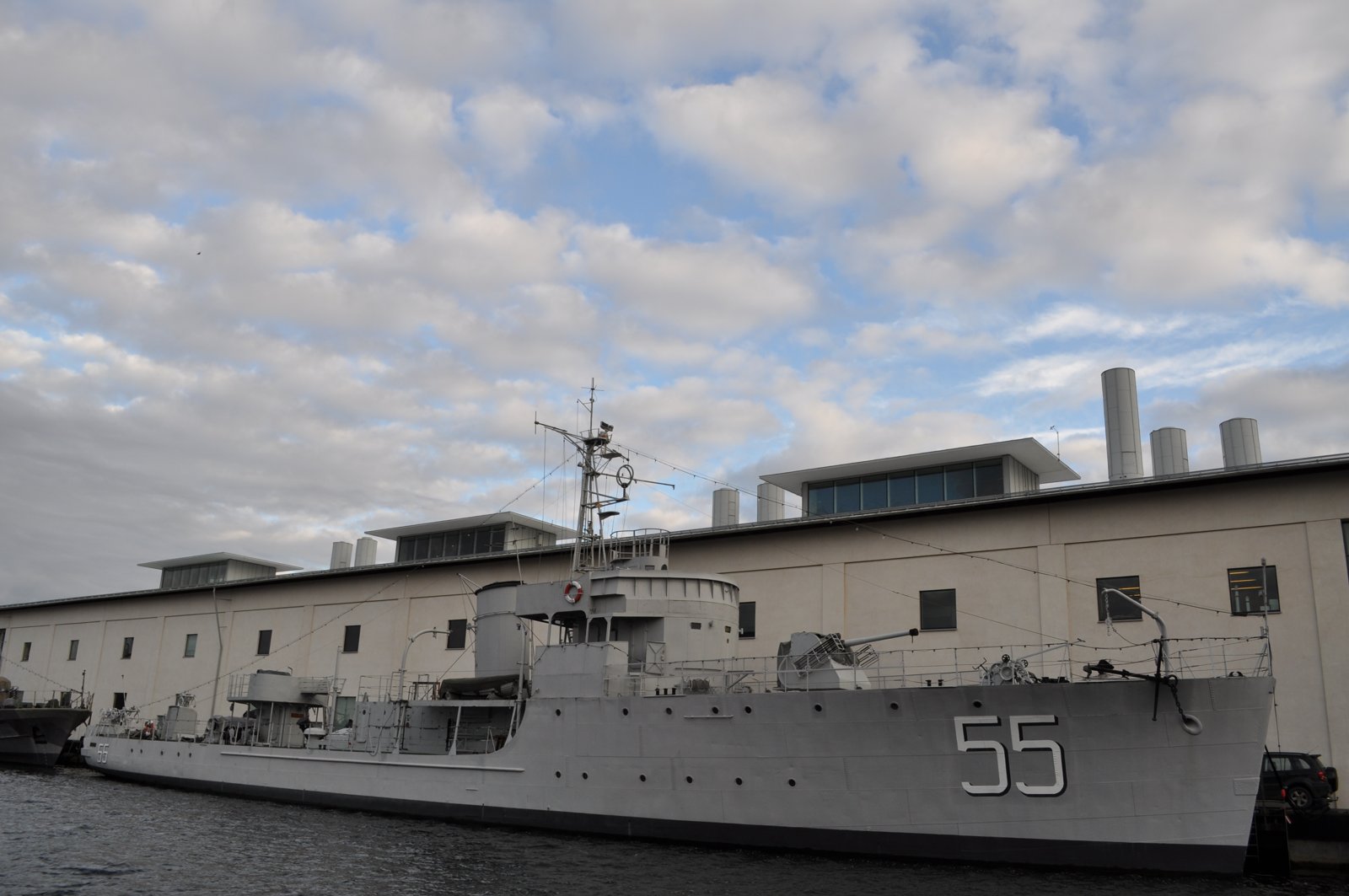
The Sjörå of Bremön
Bremön, off the Medelpad coast
Emil Löfgren wrote it down in 1918, in his collection of folk belief from Njurunda parish: the sjörå of Bremön, the sea spirit of the island. She was the one the fishermen dealt with — who could be generous or could be otherwise, who decided what came into the nets and what did not, and who had to be spoken about carefully even on land. Offerings were left. Certain words were not said aboard the boat. The men who kept these rules were not, by their own account, superstitious. They were being practical about a thing that was known to exist.
Open file →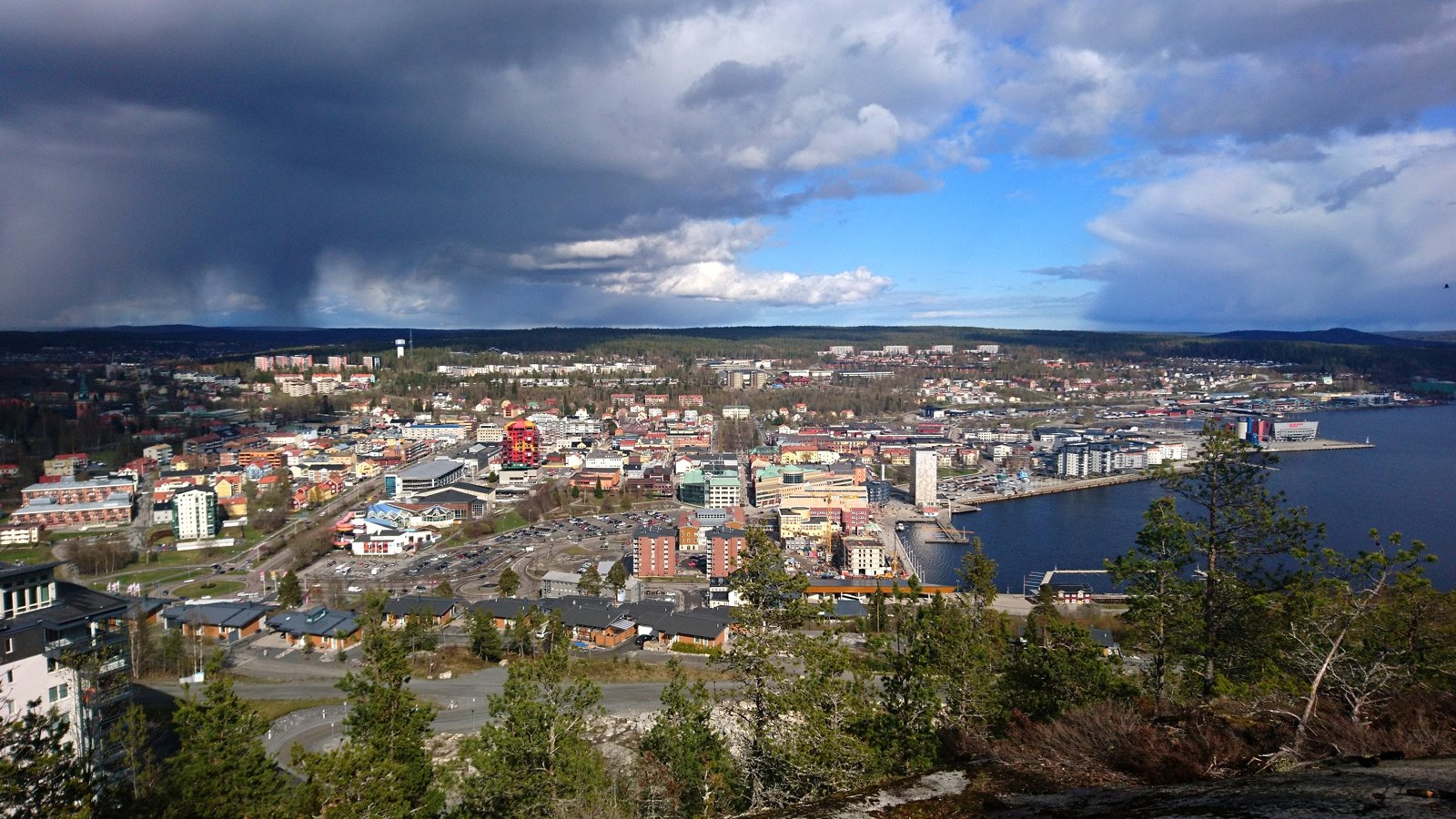
The Örnsköldsvik Photograph
Örnsköldsvik
January 2012. An object was photographed in the sky above Örnsköldsvik and the image went out into the country, as such images do — reproduced, argued over, explained and unexplained by turns. The witness described something that stood still where nothing stands still. The proposed answers were the usual ones: aircraft lights, ice crystals, an artefact of the lens. None of them satisfied everyone. What remains is a photograph taken on a cold northern afternoon by someone who was not looking for anything, and who then had to decide what to do about what they had.
Open file →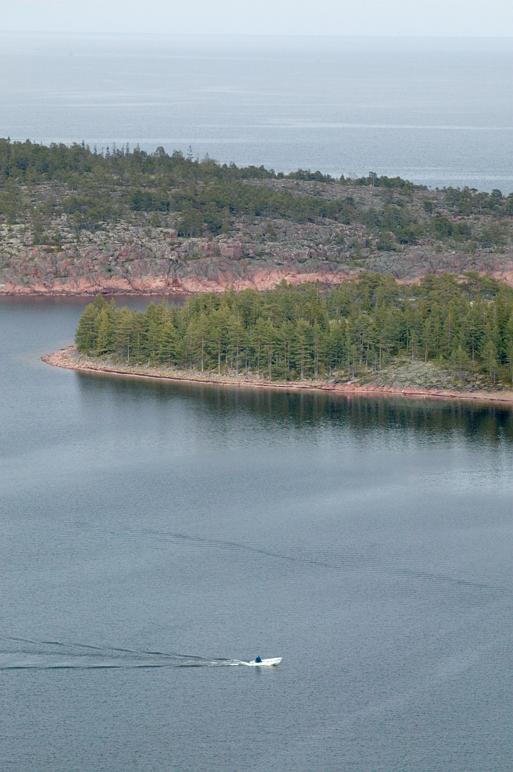
The Weather Signs of Ulvön
Ulvön, Höga Kusten
On Ulvön the fishing families kept a body of knowledge that was never written down as knowledge — only lived. Which day you did not go out. Which words you did not say in the boat. What it meant when the gulls went inland, when the herring stood deep, when a certain sound came off the water at night. Some of it was weather-reading of a very high order. Some of it was not weather-reading at all. The island did not distinguish between the two, because for the people who fished there the distinction had no practical value: both kinds of sign kept you alive.
Open file →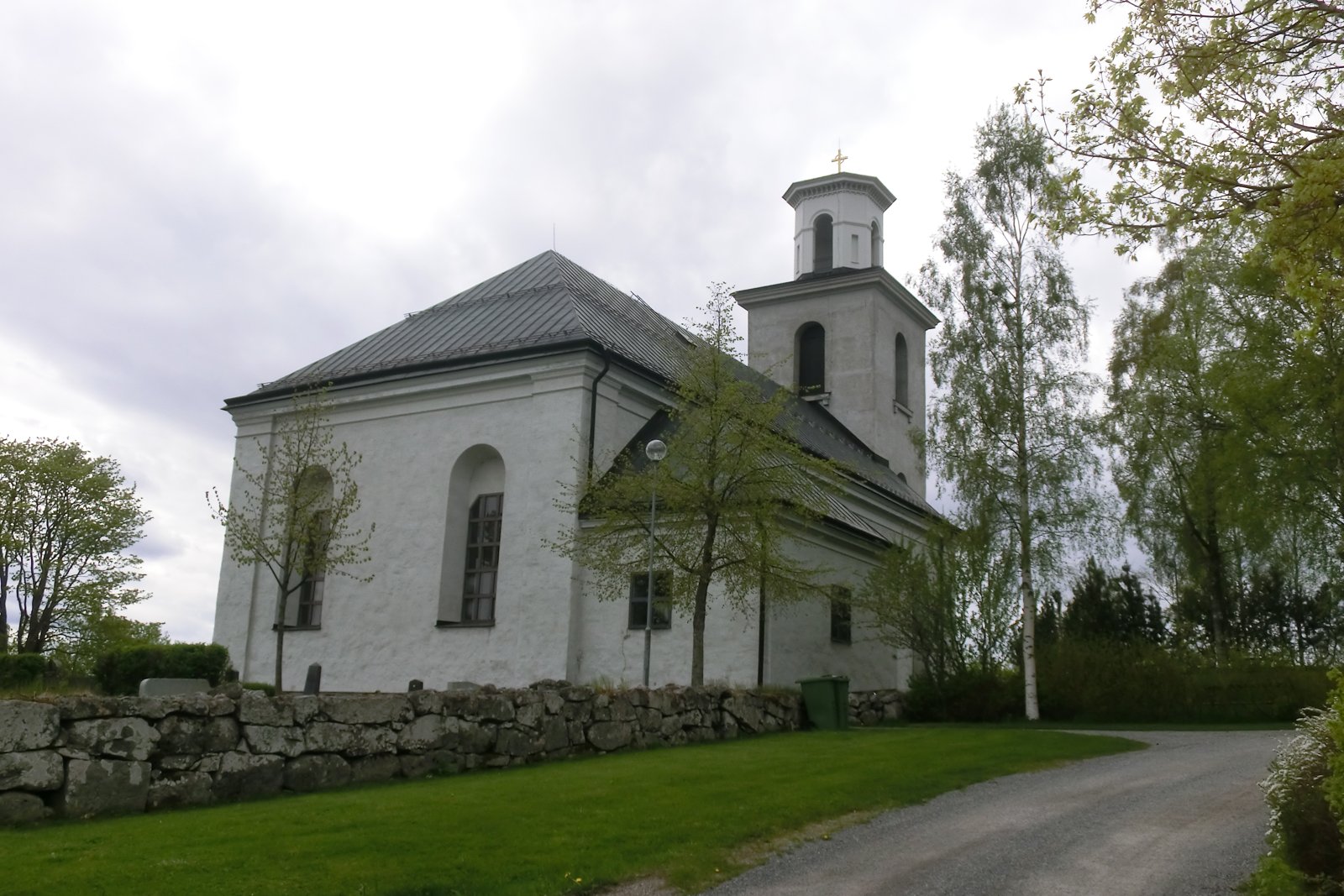
Ryssgraven
Häggdånger, near Härnösand
In 1721 the Russian galley fleet came along this coast and burned it. Härnösand went up. The countryside around it was worked over farm by farm, and afterwards there were bodies that belonged to no parish register. Häggdånger has a place called Ryssgraven — the Russian grave — where the dead from that summer are said to lie together, without names and without stones. Local tradition has kept the location when nothing official did. It is a field like any other field, and everyone in the district knows exactly which one it is.
Open file →