Röd Niklas
Härnösand and northern Ångermanland, November 1952
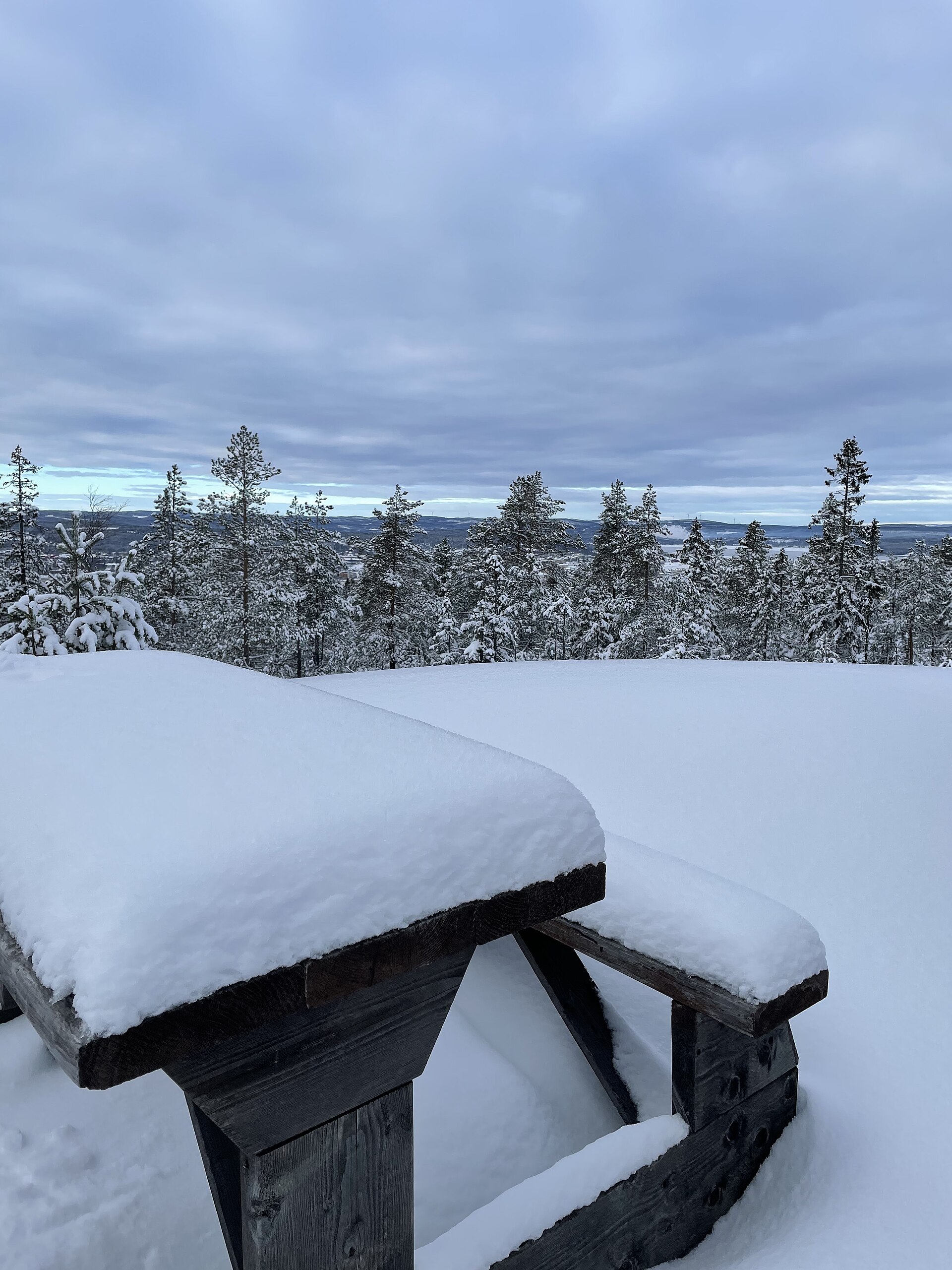
In November 1952 a division of nine Saab B 18B bombers from Halland's wing left Västerås for Luleå and flew straight into a snowstorm no forecast had promised. Fuel ran low. The order came: 'Nödlanda där ni kan.' Eight came down on lake ice and frozen fields around Härnösand and northern Ångermanland; their crews survived. One, Röd David, settled on the ice outside Härnösand and was later recovered from the harbour — today it is the only B 18 left in the world. The ninth, Röd Niklas, and its three crewmen, never arrived. Theories place it in the Bothnian Bay or in the forests of inland Jämtland. Searchers still look.
Open file →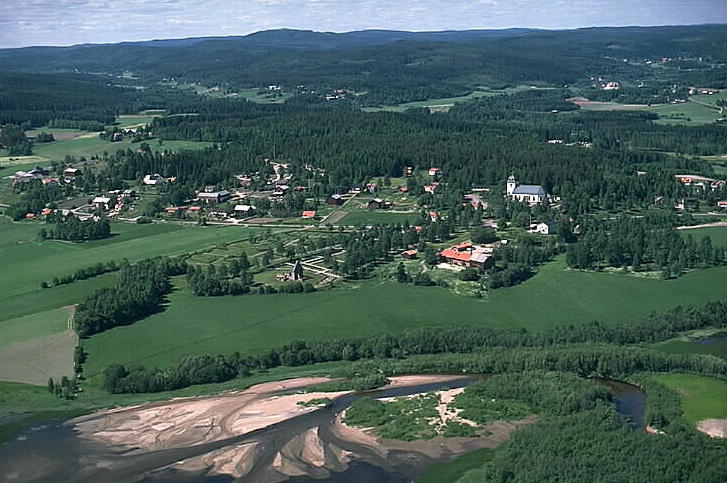
The Last Battle
Selånger, 25 May 1721
On 25 May 1721 the last battle of the Great Northern War was fought on the coast of Västernorrland. A Russian galley fleet arrived at the Sundsvall coast as part of the Russian ravages. A small Swedish force — Jämtland's cavalry company and local farmers — faced an enemy ten times its size. They fought, then retreated at Selånger. Sundsvall was plundered and burned to the ground. Eyewitness accounts survived in the town's memory; the shoreline did not forget either.
Open file →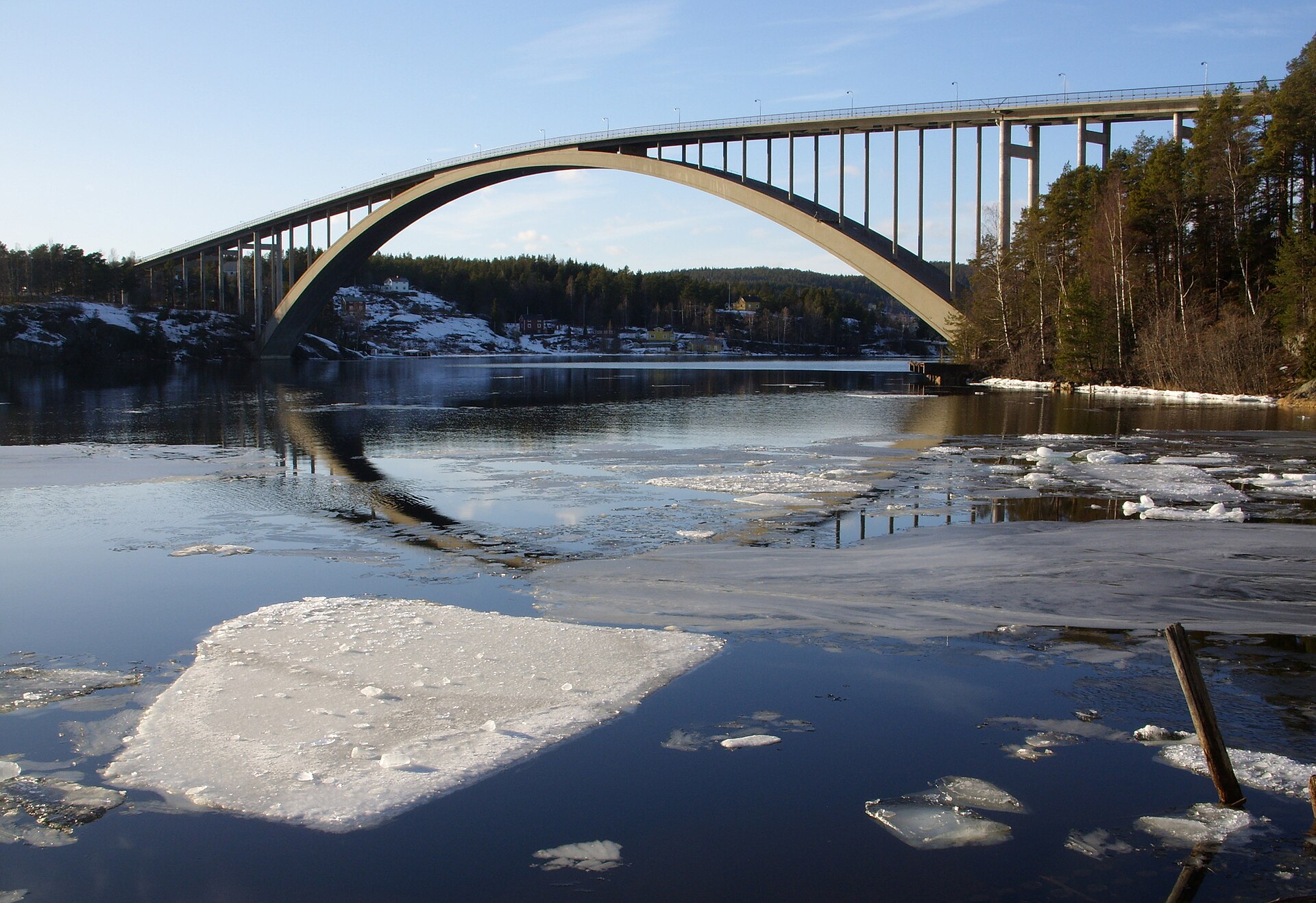
The Silence at Sandöbron
Sandöbron over Ångermanälven, 31 August 1939
On 31 August 1939 workers were building what was meant to be the world's longest concrete bridge across the Ångermanälven. At 16:40 a terrible crash was heard. The giant wooden formwork buckled, shook, and plunged straight into the rushing water. Eighteen men died. The catastrophe should have dominated every front page, but the next day the Second World War began and the headlines belonged to Europe. The bridge was eventually finished; the silence around the collapse remained.
Open file →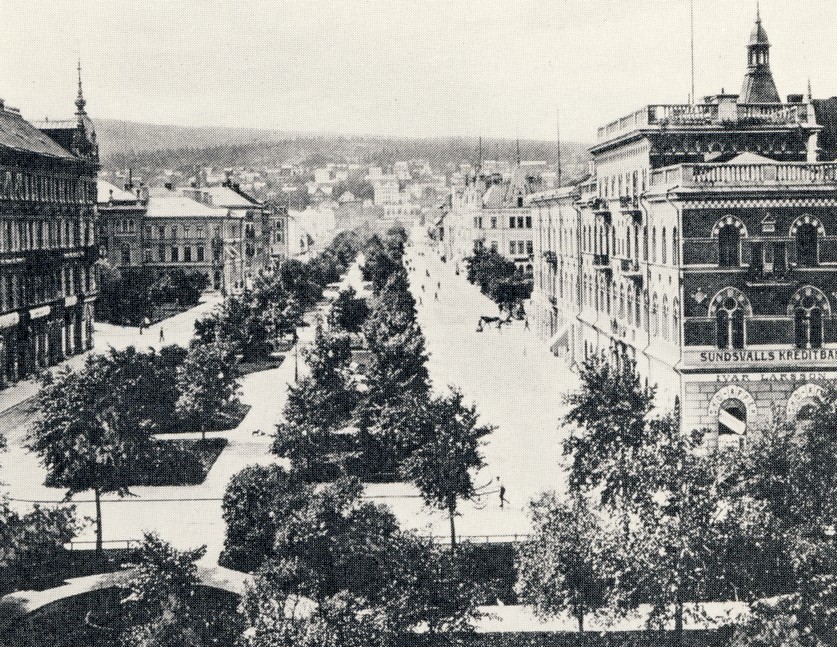
The Fest Revolt of Sundsvall
Sundsvall, August 1918
In August 1918 the Spanish flu exploded in Sundsvall. The health board understood the danger and issued strong warnings in the local papers, forbidding or strongly discouraging public entertainments and large gatherings. The citizens answered with what the board later had to admit was a 'trotsrevolt'. Their warnings, the minutes recorded, had been 'of no value whatsoever'. More people than usual crowded the dance halls, restaurants and pleasure gardens, dancing and drinking while the pandemic raged. The city survived the sickness. The memory of defiance survived longer.
Open file →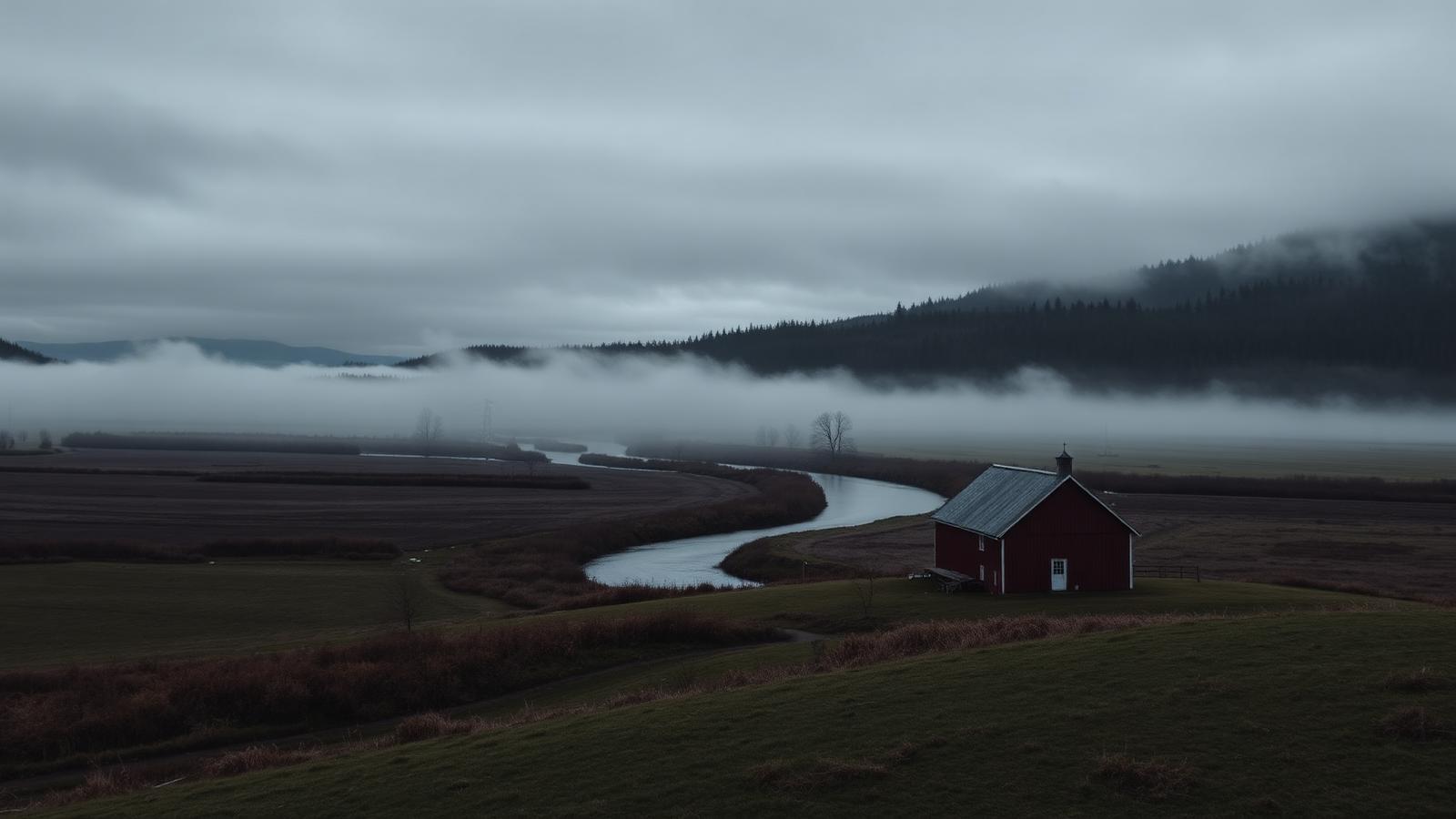
The Ångermanland Uprising
Boteå, June 1564
In June 1564 a stormy ting assembled at Boteå. Knut Haraldsson, envoy of King Erik XIV, had come to demand that the farmers of Ångermanland supply fresh young men as soldiers for the king's war. The farmers of north and south Ångermanland joined together and openly refused. Their desperate answer survives in the official ting protocols: they could not go to war until the harvest was in, for the famine was so severe that they had 'nothing else to eat but bark'. This open defiance of royal authority in the middle of a burning war is one of the earliest well-documented acts of popular resistance in Norrland history.
Open file →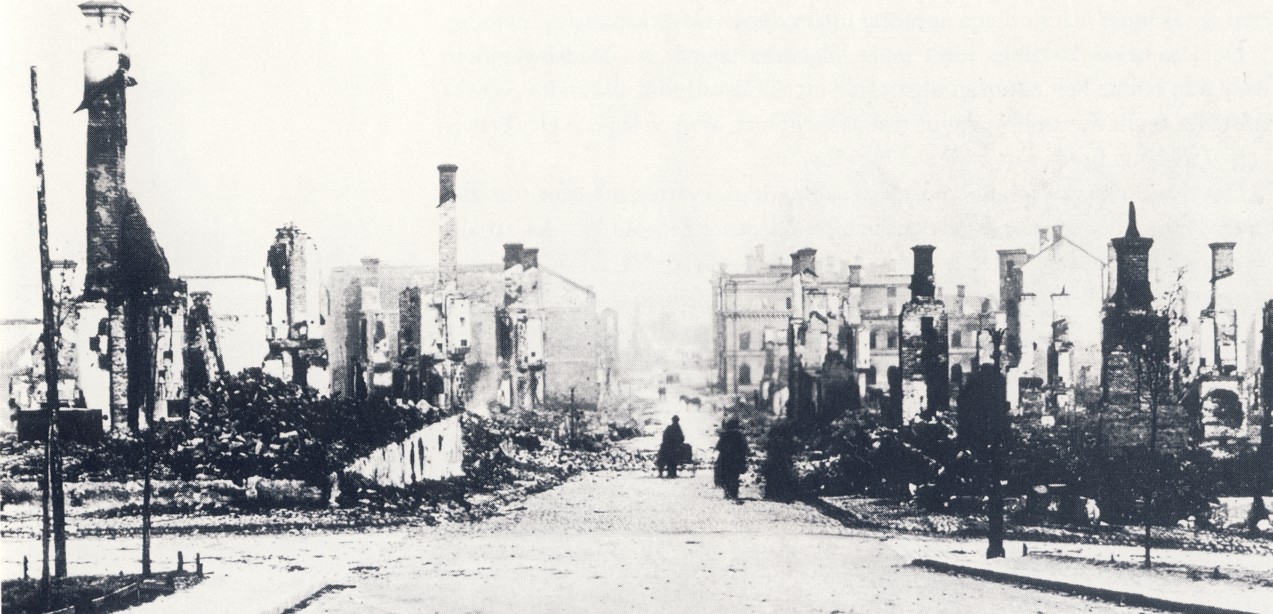
The Great Sundsvall Fire
Sundsvall, 25 June 1888
On 25 June 1888 one of the best-documented disasters in Swedish history unfolded in Medelpad. Sparks from the steamship Selånger ignited a pile of timber on land during an exceptionally dry and windy summer day. Within hours the firestorm had erased almost all of Sundsvall's inner city. More than 9,000 people were left homeless in a single afternoon, yet miraculously few died. The truly legendary decision came afterwards: the city was forbidden to rebuild in wood. Out of that prohibition rose the unique and stately Stone Town — Stenstan — that still adorns Sundsvall today, a direct monument to the catastrophe.
Open file →
The Volcano That Froze on Alnön
Alnön, outside Sundsvall
Alnön is known for its beautiful scenery, but the island carries a verified and extremely rare natural history. Some 570 million years ago the area was struck by enormous volcanic eruptions. It was not an ordinary volcano: it was a magma chamber filled with exceptionally rare, calcium-rich rock types. When geologists began to study the island they discovered the rock alkaline syenite and the unique alnöite, named after the island itself. Alnön is internationally known in geology because the special chemical composition of its magma makes the bedrock more similar to the African continent than to the rest of Scandinavia. The volcano froze. The island remembers.
Open file →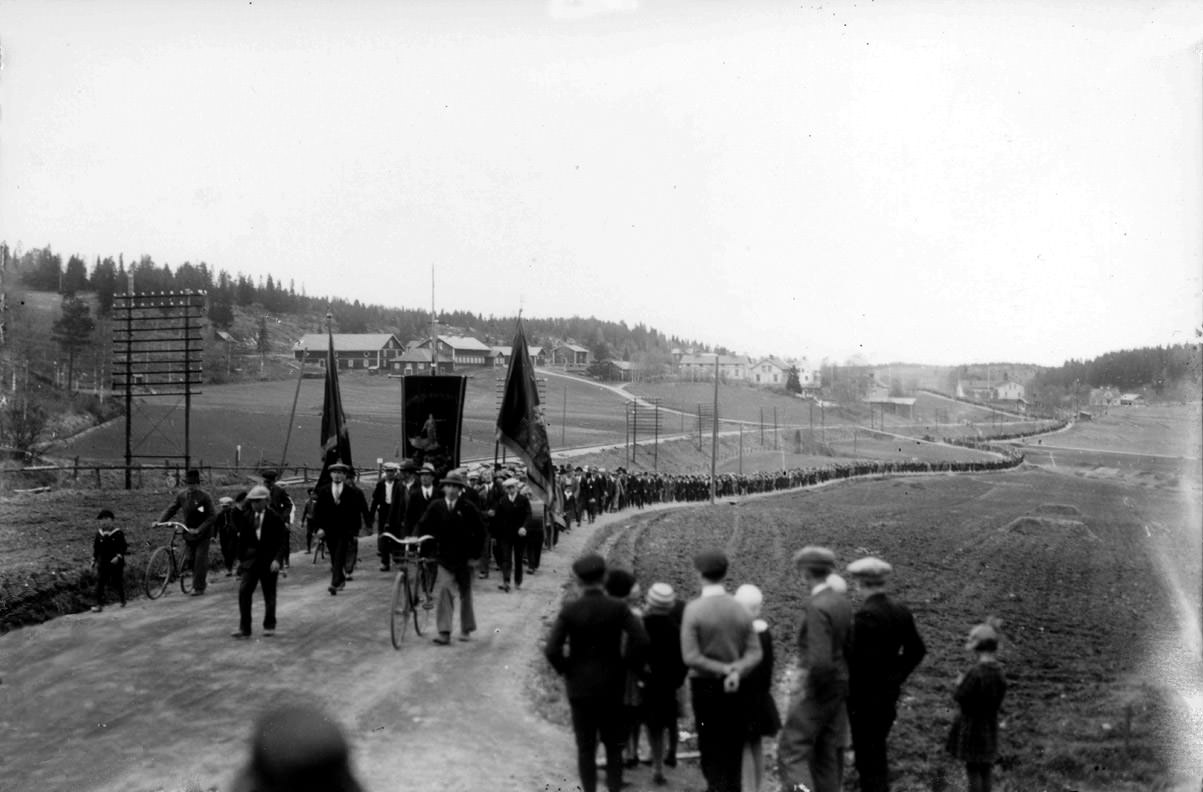
The Shots in Ådalen
Lunde, 14 May 1931
After the crash of 1929, employers in the sawmill district of Ådalen wanted to cut the workers' wages. The workers went on strike; the employers answered with strikebreakers. A large, peaceful demonstration of thousands marched toward Lunde to protest. The military was called in to keep order. As the demonstrators approached, the troops opened fire with machine guns and rifles. Four demonstrators and a passing bystander were killed; many more were wounded. The outrage spread across the country and became a turning point in the Swedish labour movement, helping push the sawmill valley toward the model of negotiation and consensus that would later be sealed in places like Saltsjöbaden.
Open file →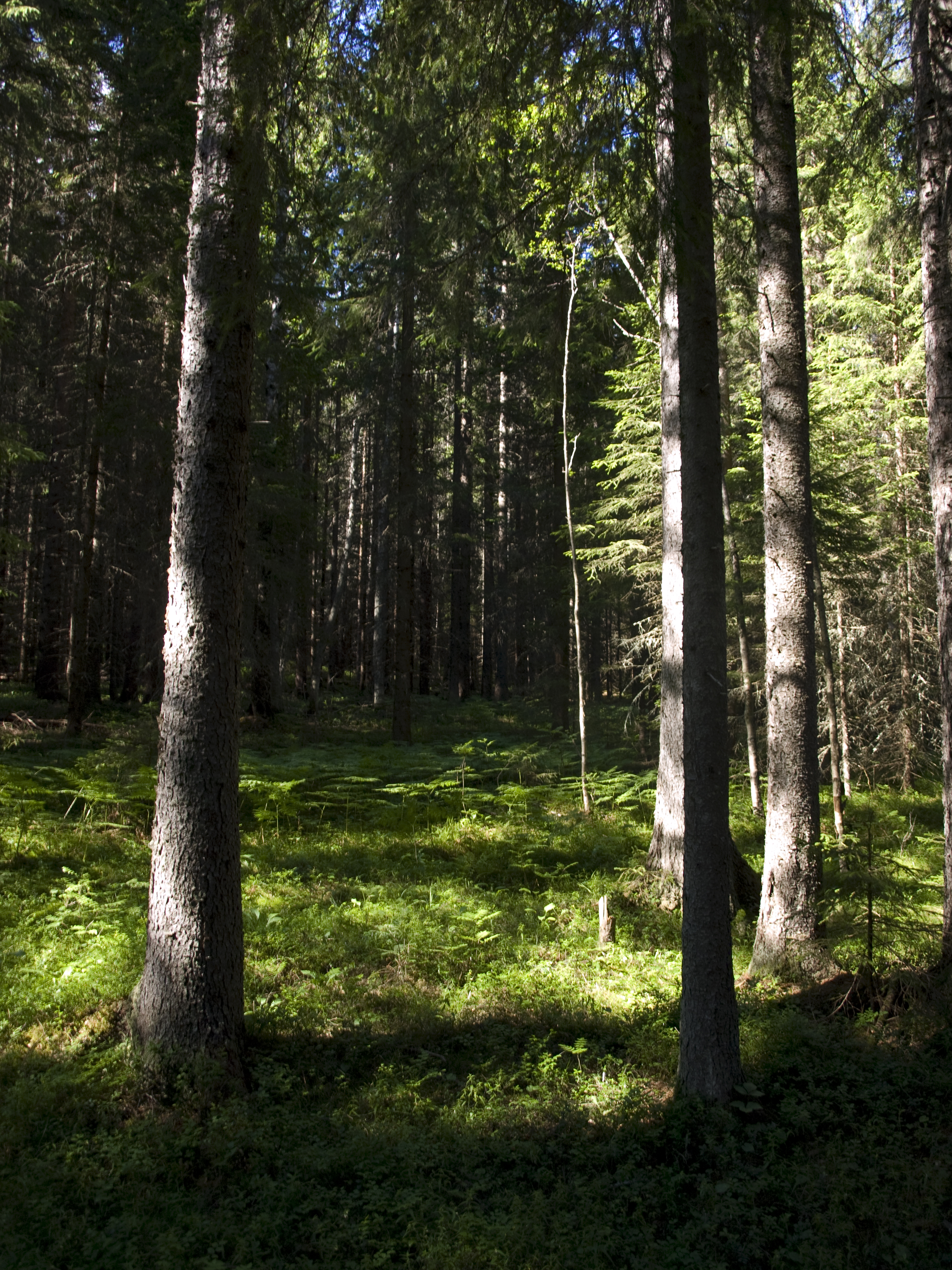
The Haunting at the Execution Place
Skuleskogen, between Nätra and Vibyggerå
Between Nätra and Vibyggerå lies Skuleskogen, a forest old enough to have kept the things that were done in it. In former times there was an execution place here, and the road that passed through it never forgot. A farmer was driving that way when his horse stopped dead. No whip, no shout, no weight of the cart could make it move. He unhitched the animal and looked through the holes of the harness pins. What he saw then stayed with him: the road was crowded with cattle and people, and every one of them was headless. He hitched the horse again, and the horse went on.
Open file →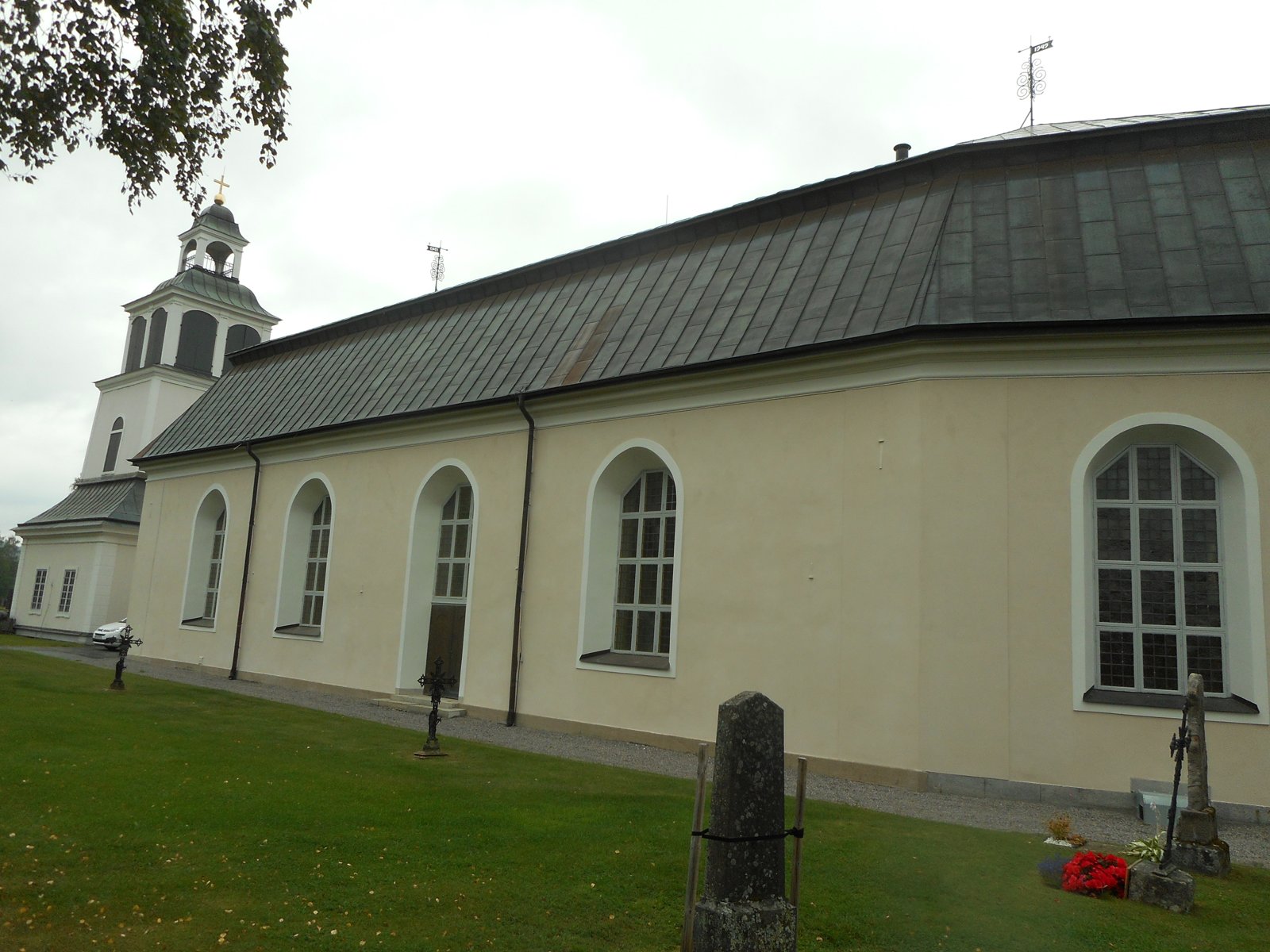
The Sollefteå Witch Trials
Sollefteå parish, Ångermanland
In 1674 the accusation reached Ångermanland. It had come up the country the way weather does, one parish at a time — the belief that women were carrying children to Blåkulla in the night. In Sollefteå the court sat and the children were asked to name names, and they named them. Neighbours testified about neighbours. The records list women whose whole lives are otherwise absent from history: they exist in the archive only as the accused. Some were condemned. The panic burned through the district and then, as suddenly as such things do, it went out — and the parish went on living beside itself, with everyone knowing exactly who had said what.
Open file →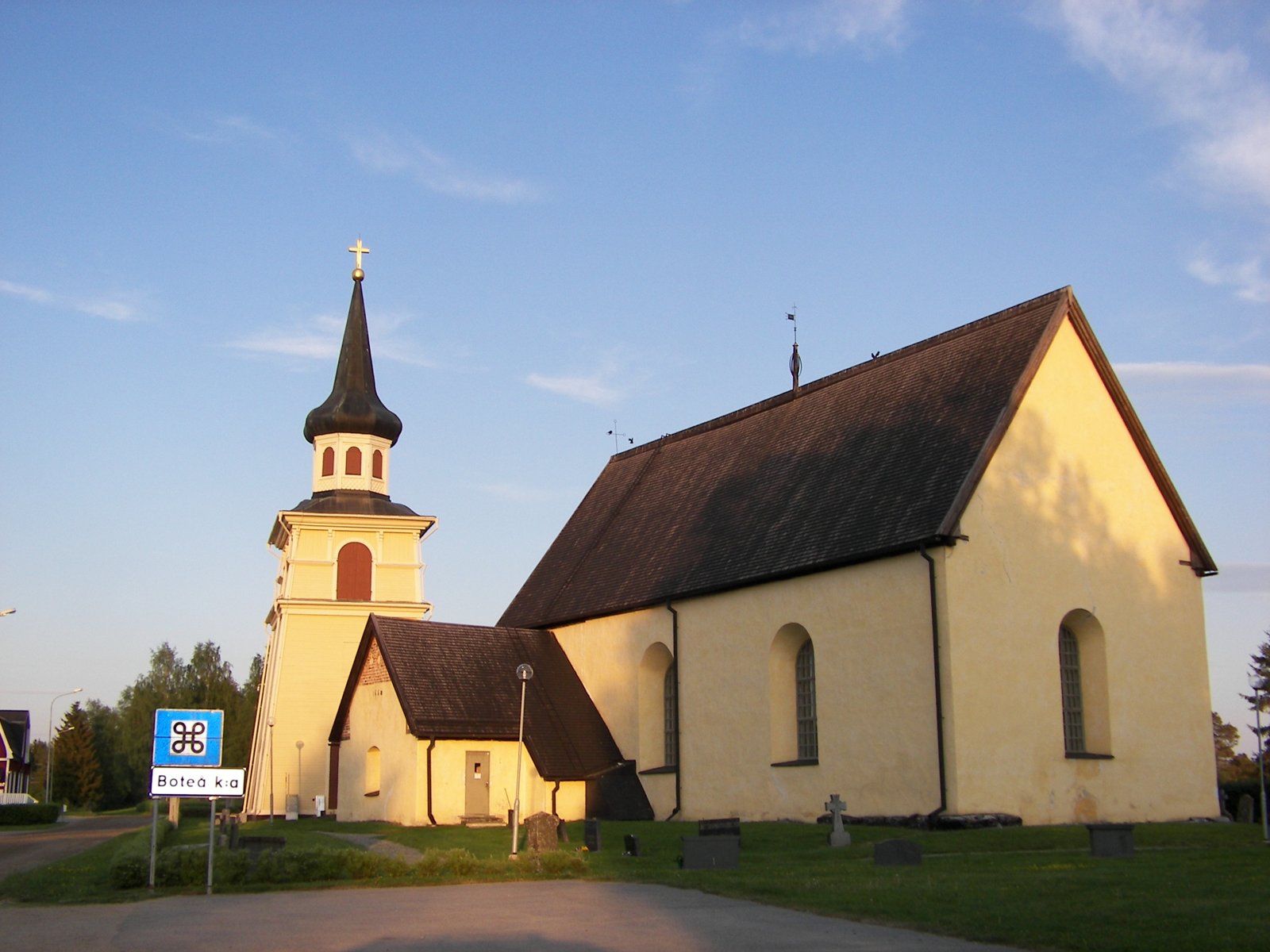
The Boteå Accusations
Boteå, Ångermanland
The same year the fear crossed into Boteå, and stayed longer. Between 1674 and 1675 the commission worked its way through the villages along the river. The pattern was always the same: a child spoke, a name followed, and a woman was fetched from her own kitchen. Boteå had known trouble before — the parish had risen against the crown a century earlier — but this was a different kind of trouble, the kind that comes from inside a community rather than from outside it. When it ended there was no reckoning and no apology. The court records were closed, and the river went on the way rivers do.
Open file →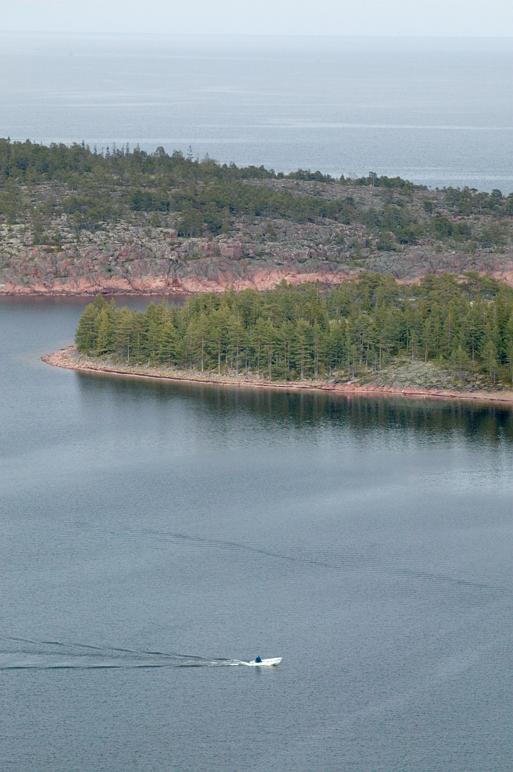
The Weather Signs of Ulvön
Ulvön, Höga Kusten
On Ulvön the fishing families kept a body of knowledge that was never written down as knowledge — only lived. Which day you did not go out. Which words you did not say in the boat. What it meant when the gulls went inland, when the herring stood deep, when a certain sound came off the water at night. Some of it was weather-reading of a very high order. Some of it was not weather-reading at all. The island did not distinguish between the two, because for the people who fished there the distinction had no practical value: both kinds of sign kept you alive.
Open file →