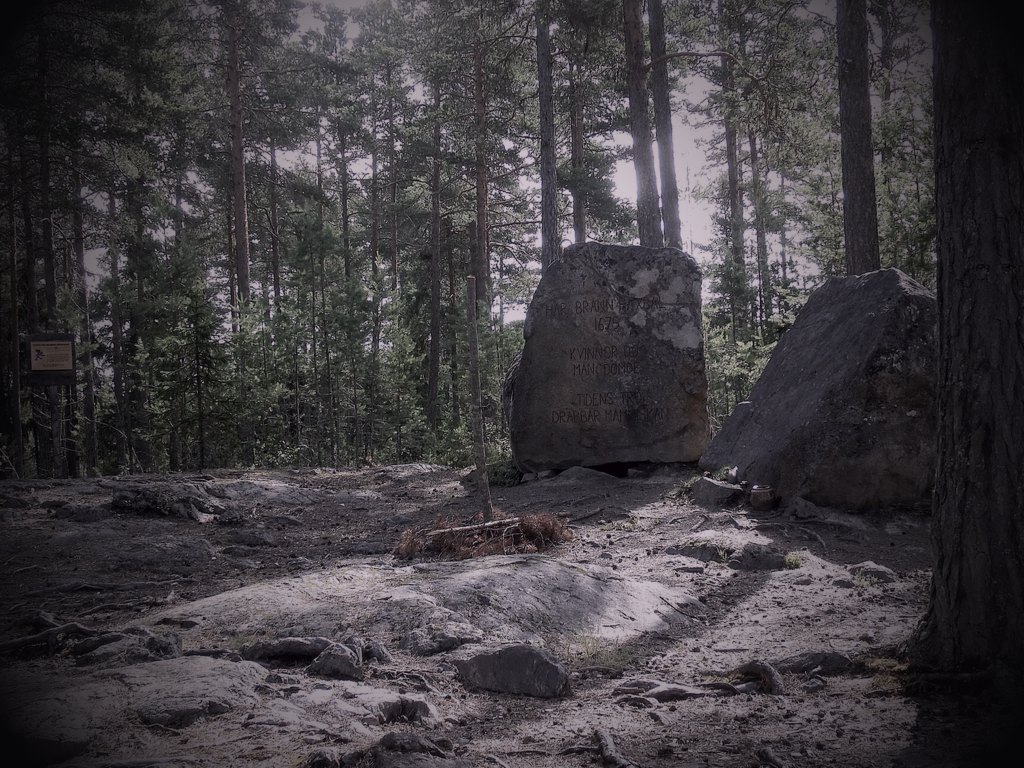
The Burning Mountain
Häxberget, Kramfors, 1675
Häxberget is the place of the mass executions. Seventy-one names were led up the mountain during the great witch hysteria, beheaded there and their bodies burned on a single bonfire — Sweden's largest documented peacetime mass execution. A stone now marks the site and a trail winds to it. The atmosphere is not merely historical. Walk it on a windless day and the trees go quiet long before you reach the top.
Open file →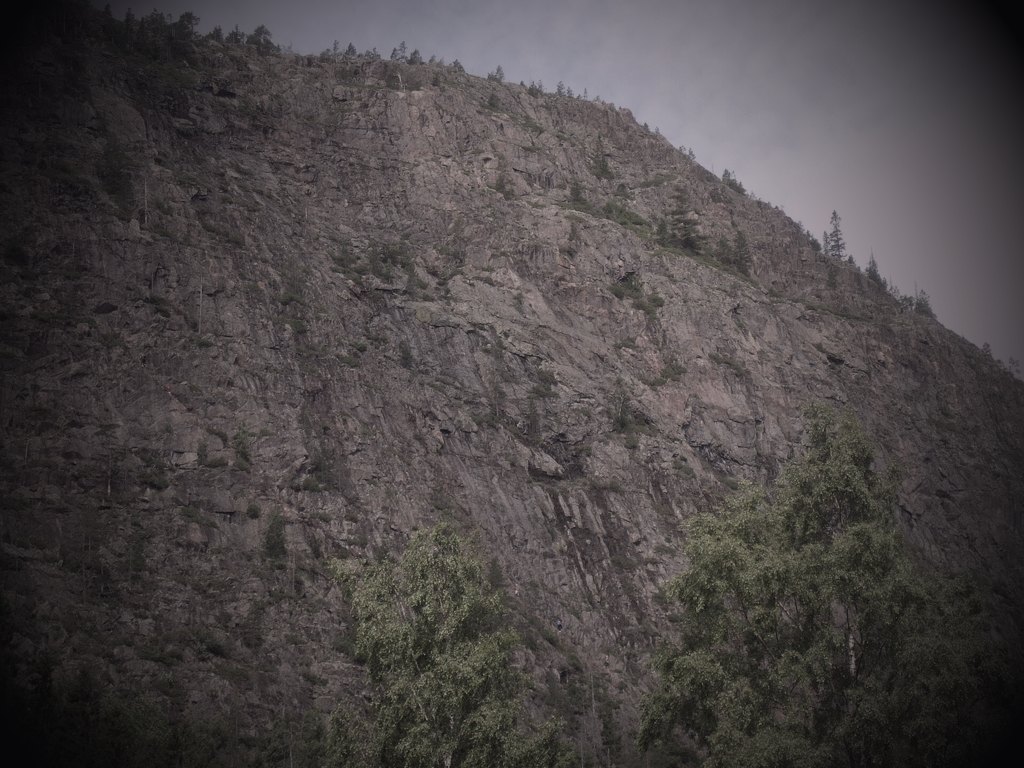
The Robbers' Cave
Skuleberget
High in the cliff face of Skuleberget, the mighty mountain along the coast, a dark mouth opens in the stone. In the 1600s a band of robbers was said to live inside it, descending to plunder the villages below. The cave is empty now, by daylight. But the opening is large enough to hold more than stories, and the cliff does not answer when you call into it.
Open file →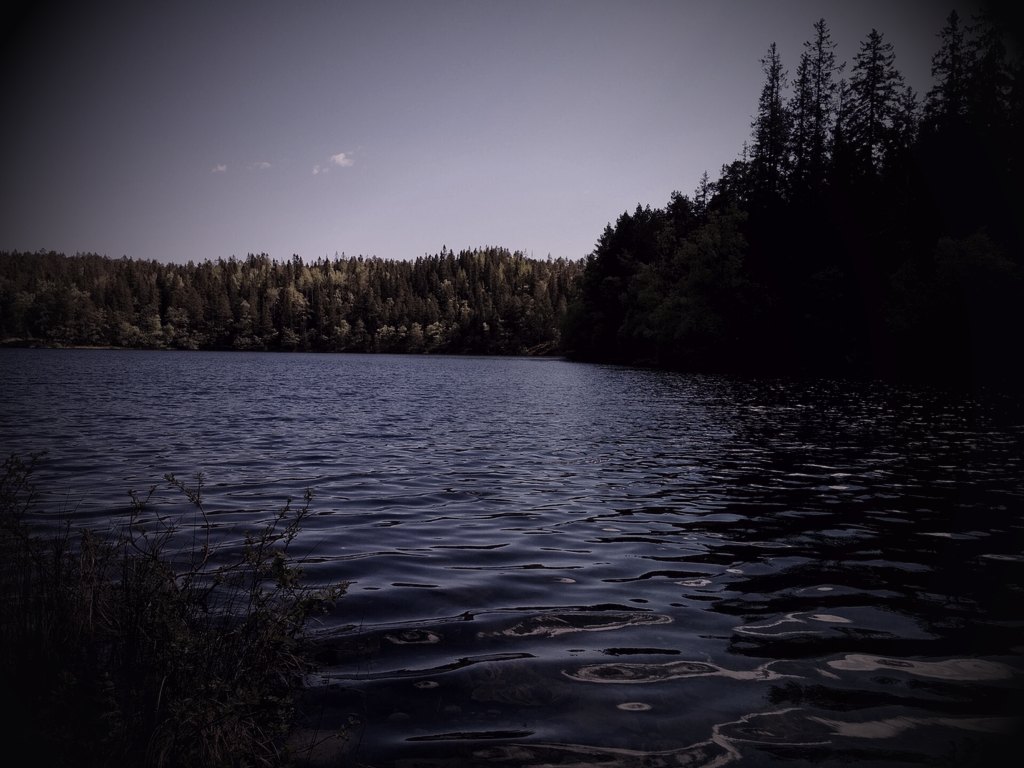
The Red Cliffs of Balesudden
Balesudden & Balestjärnen, Nätra
At the tip of the peninsula the granite turns a loud, arterial red. Below it hides Balestjärnen, a lake so clear and lime-heavy that the drowned pines rest on the bottom like specimens in a glass case. They have not rotted. They are simply waiting where the light reaches them.
Open file →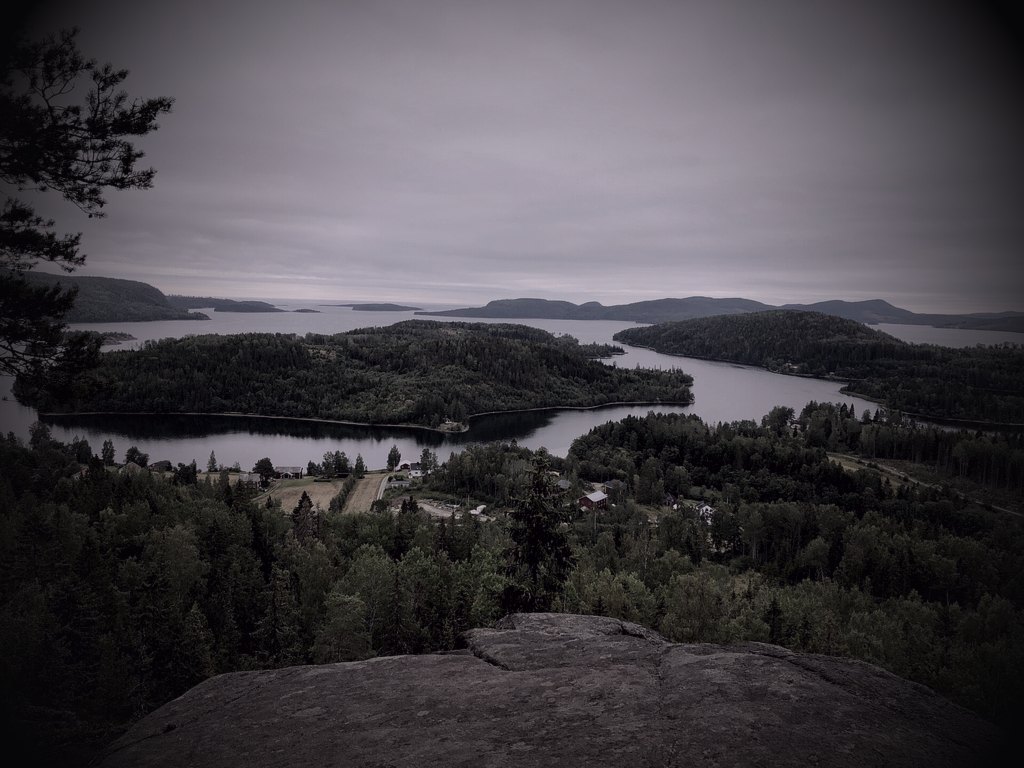
The Red Fort
Rödklitten, Nordingrå
An ancient hillfort crowns a steep south-west slope, its collapsed stone walls heavy with something older than history. Visitors speak of a curse, of footsteps that echo back at the wrong speed, and of cold that gathers in the ruins on windless afternoons. The fort was built to watch the valley. The valley has not stopped being watched.
Open file →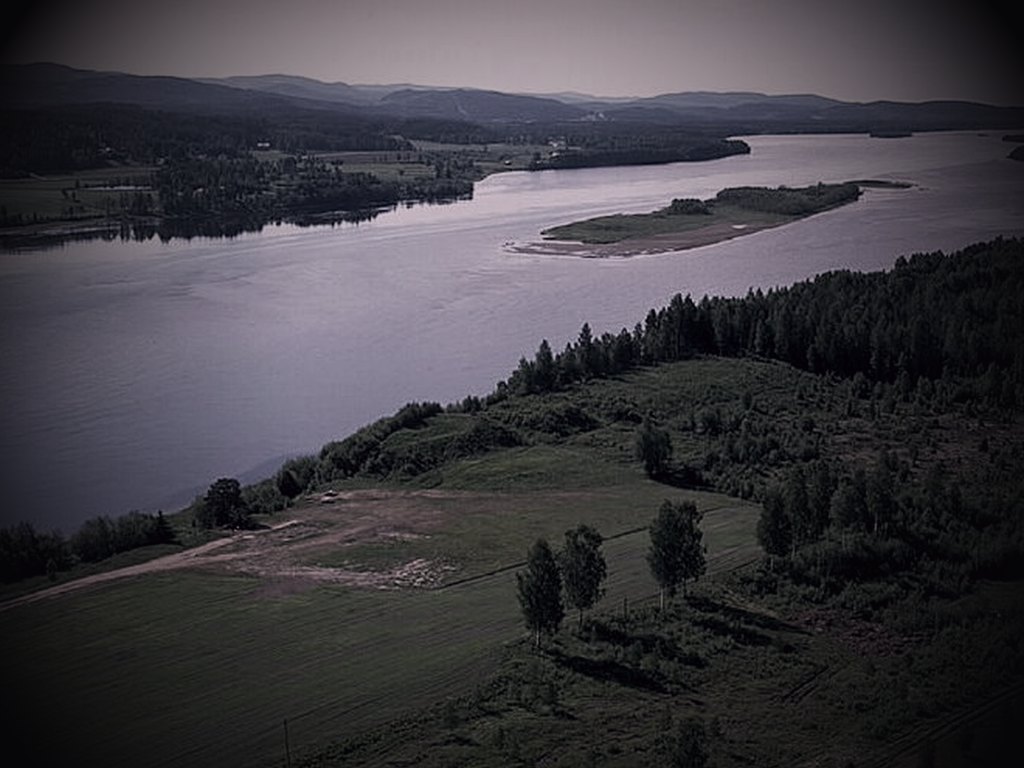
The Burned Castle
Styresholm, Ångermanälven
On the riverbank stand the ruins of Styresholm, a medieval stronghold where the Vitaliebröderna — river pirates in all but name — made their camp in the 1300s. The castle burned, the men scattered, but the shore at night still carries the sounds of the place: water against charred stone, voices that do not match any boat, and the feeling that something looted was never fully recovered.
Open file →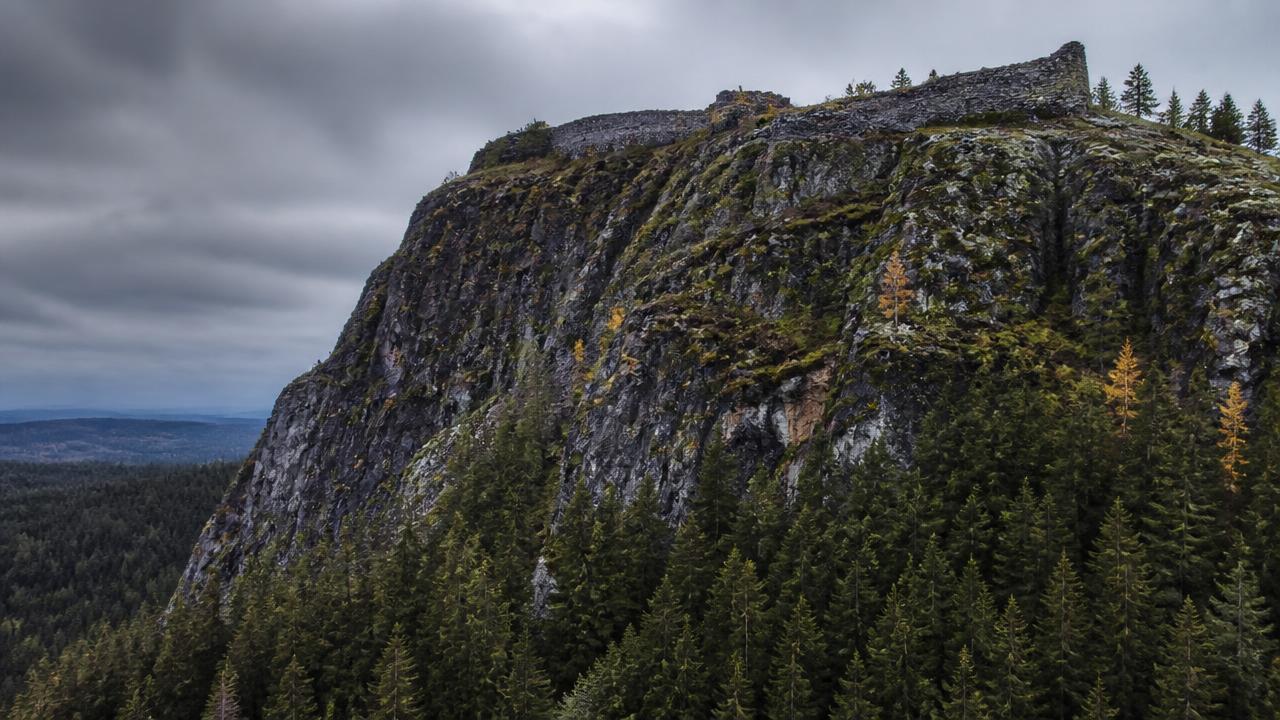
The Hillfort of Rogstaklippen
Rogstaklippen, Torsåker
This 140-metre crag in Torsåker holds one of Sweden's northernmost known hillforts, raised during the Migration Period around 400–550 AD. The summit is ringed by moss-covered stone walls on the only approachable side; the rest falls away in sheer drops. Rogstaklippen is marked on the Ghost Map for the heavy atmosphere that settles on the old ramparts. Visitors report the distinct sense of being watched from the cliff edge, as if the ancient sentries had never fully abandoned their post.
Open file →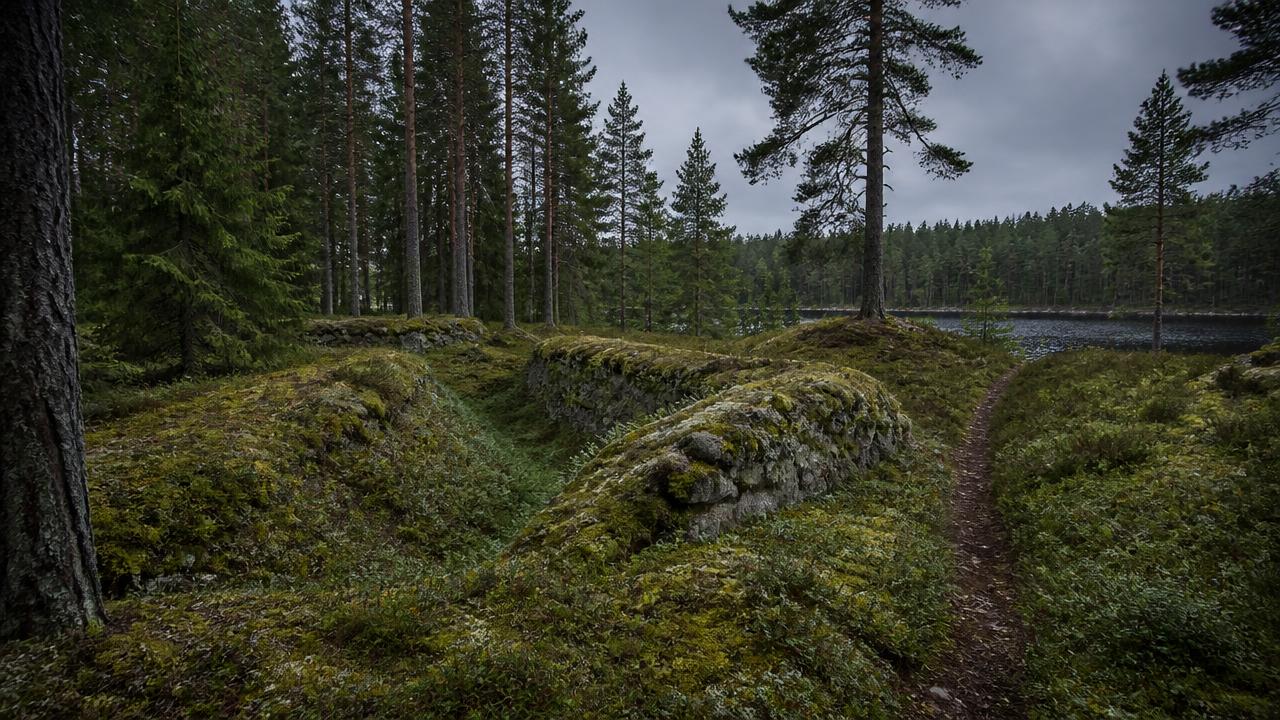
The Gransjö Redoubt
Gransjö skans, Helgum
Gransjö skans was raised in the 1600s during the reign of Queen Kristina, set hard against an ancient pilgrims' road that once ran toward the Jämtland border. The garrison was meant to guard the way north; instead the forest slowly took the fort back. Today only stone foundations and low earthworks remain, half-swallowed by spruce and moss. Walk the old ramparts on a still day and the silence feels less empty than waiting.
Open file →
The Tunnel Grottoes of Smitingen
Smitingen / Lökgrottorna, Härnön
Along the outer coast of Härnön, wave and fracture have carved one of Sweden's longest systems of tunnel grottoes. On calm days the openings are merely dark mouths in the granite, but when the sea rises and the swell presses inland, the stone itself begins to groan. Old fishermen called the sound the breathing of the deep, and avoided the caves after dusk. The water remembers what the land has forgotten, and in hard weather it speaks through the rock.
Open file →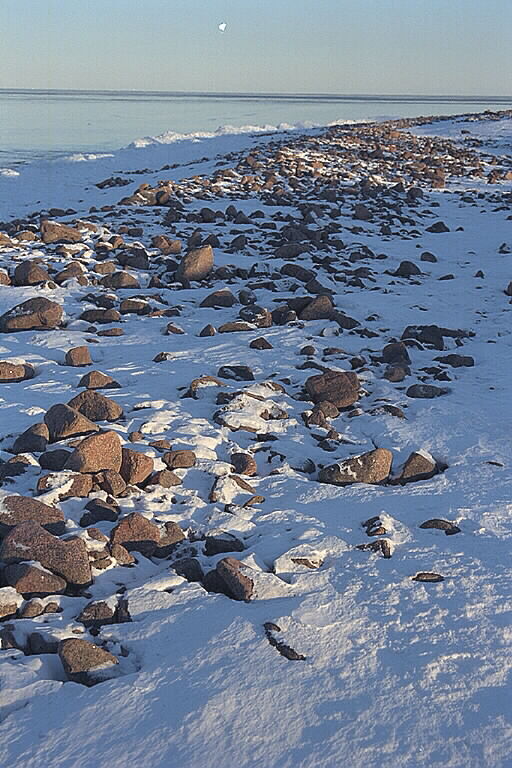
The Devil's Fields
Norrfällsviken
The broad shingle fields reaching out toward the sea at Norrfällsviken were once called the Devil's Acres. Farmers said only Hin Håle himself could plough and harrow ground made entirely of dead, polished stones where nothing could be sown or grown. The place was considered ill-fated to walk at night, when the sound of stones rolling in the swell was mistaken for subterranean footsteps.
Open file →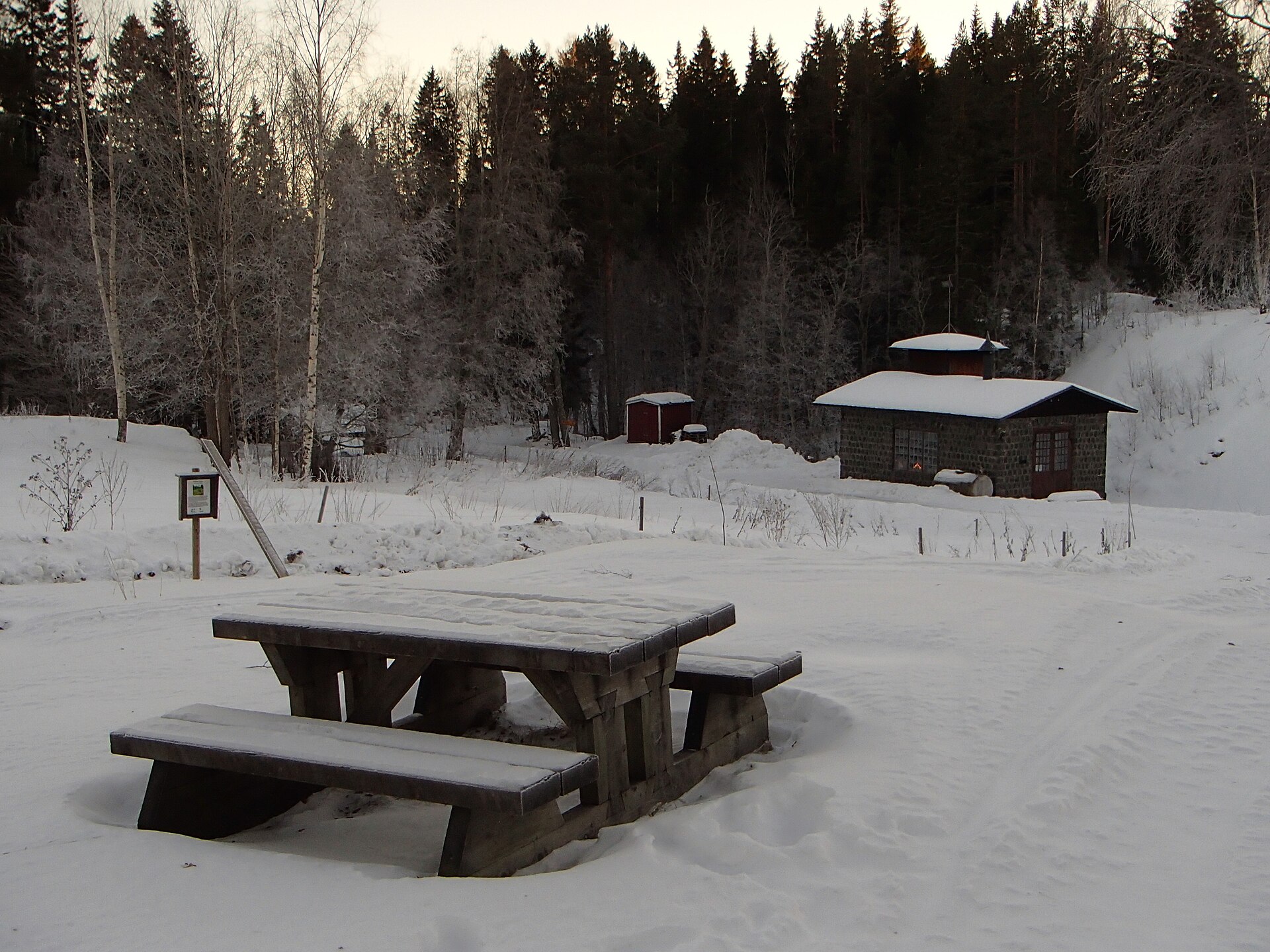
The Russian Ovens at Galtström
Galtström, Njurunda, Medelpad
During the Russian raids of 1719–1721, much of the coast was burned — towns and farms reduced to ash. Remaining in the forests and on the skerries are traces of the so-called ryssugnar, simple stone ovens raised by Russian troops to bake bread. The ground around these ovens was long considered ill-omened; the soil was said to stay barren, and the weeping and cries of the murdered and displaced coastal people could be heard on the wind. The stones do not warm anymore, but they have not forgotten the fire.
Open file →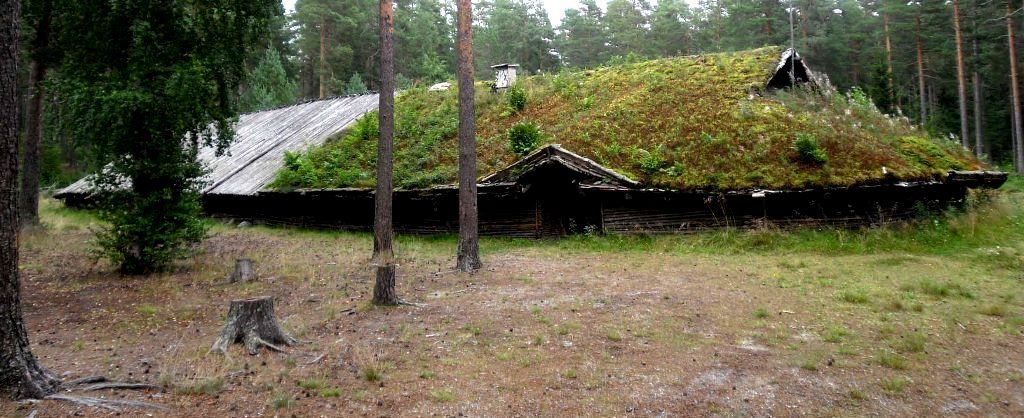
The Sacrificial Grove and Burial Mounds of Gene Fornby
Gene Fornby, Örnsköldsvik
The reconstructed Iron Age farm rests on ground that held genuine ancient settlements and burial mounds from the Migration Period. Across the centuries, stories lingered among local people that the land belonged to the högfolket — the mound people — and the ancestors of the old clans. Plowing too close to the grave mounds or felling trees in the nearby groves was believed to bring supernatural misfortune, crop failure, and cattle death upon whoever desecrated the place. The longhouse has been rebuilt. The mounds have not been moved. The grove still stands.
Open file →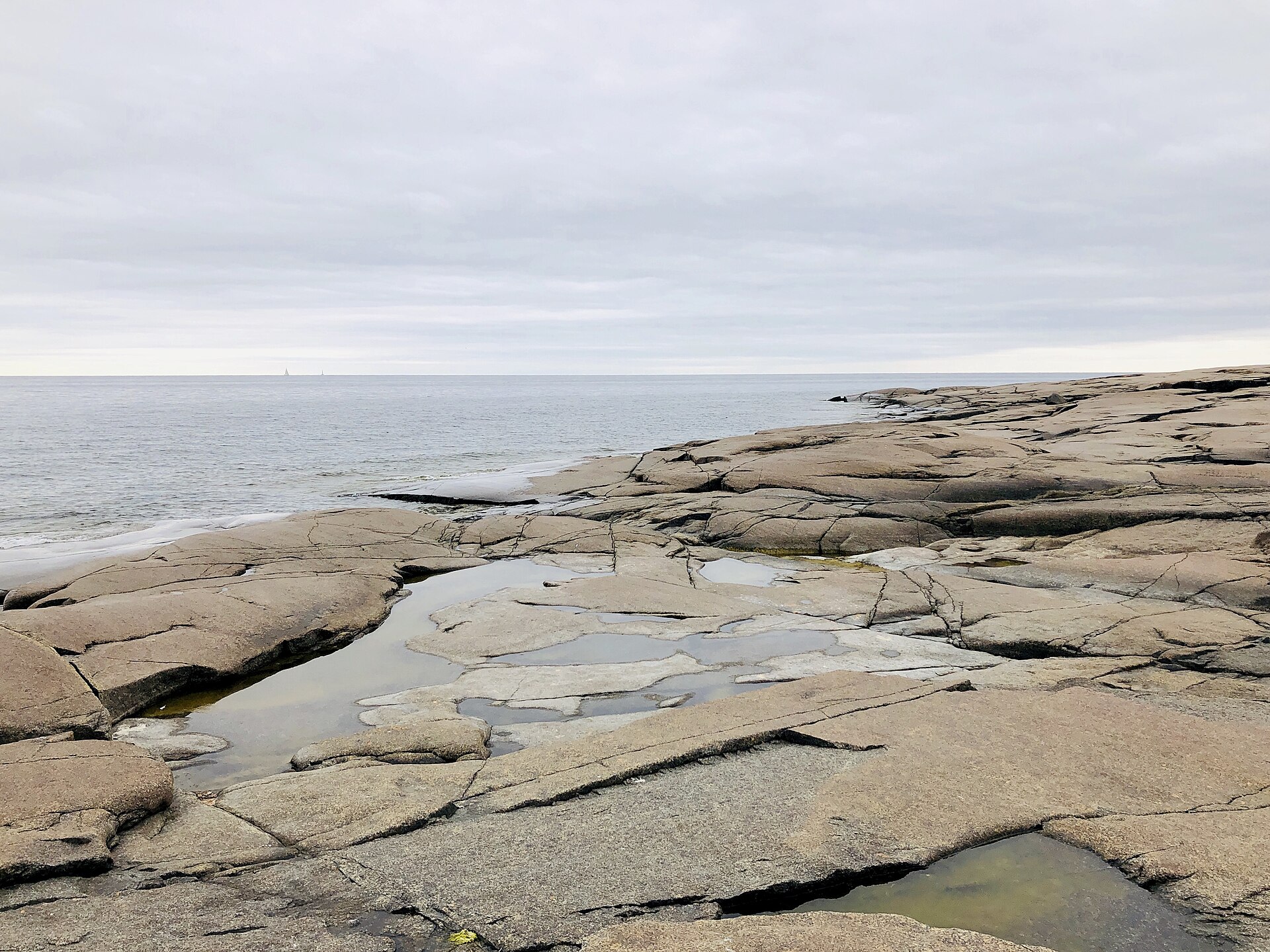
The Troll Cauldrons and Giant's Potholes at Rotsidan
Rotsidan, Nordingrå
The deep, circular hollows in the polished diabase along the four-kilometre coastal strip were once thought to be the work not of glacial meltwater, but of giants and sea trolls boiling seal blubber and brewing troll-draughts in the rock. Fishermen were warned not to sit on the rim of these cauldrons at dusk, when the suck of the surf in the hollows was said to be able to pull a person straight down into the mountain's interior. The rock is smooth. The holes are deeper than they look.
Open file →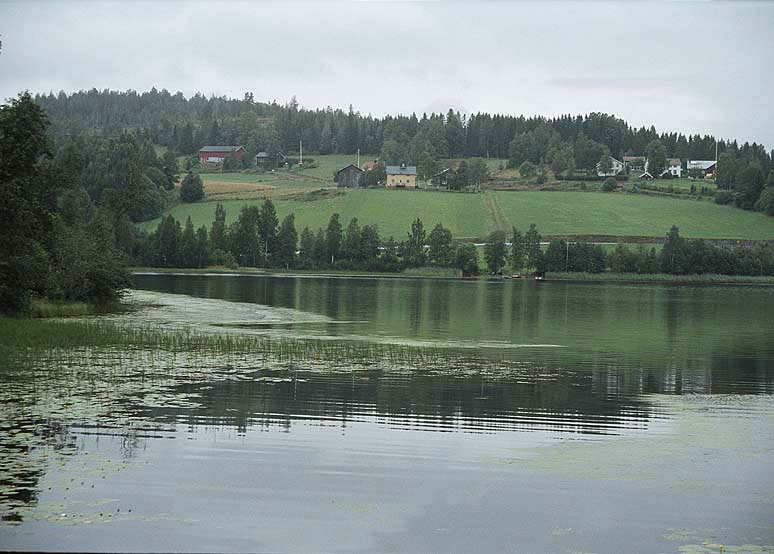
The Locked Doors of Körningsgården
Körningsgården, Nordingrå, Höga Kusten
Körningsgården is an old manor in the heart of Nordingrå, now a guesthouse and hotel. Unlike the anonymous ghost stories that collect online, this place has a long, written record of testimony from guests, staff and owners going back decades. The reports are consistent: sudden drops in temperature, heavy footsteps in empty corridors, doors that lock from the inside. The house has been a farm, a bank and a shop; now it is a destination for those who want Swedish history with a documented unease.
Open file →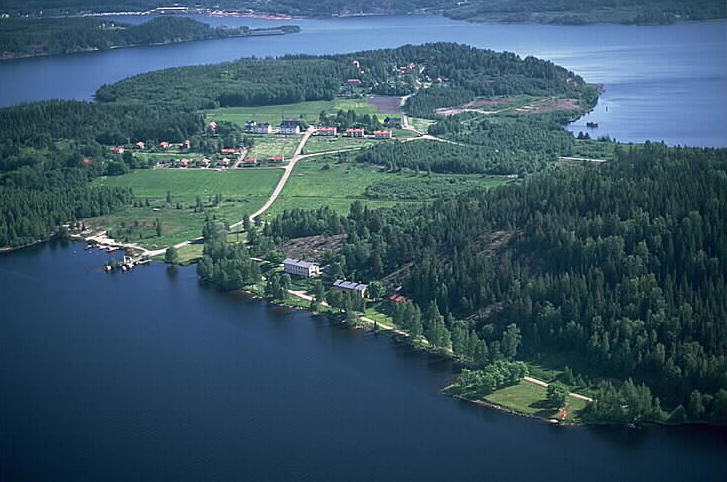
The White Lady of Svanö Manor
Svanö herrgård, Svanö in Ångermanälven
Svanö Manor, now a hostel, stands on Svanö island in the Ångermanälven and carries one of the county's best-known and most classical ghost legends, reaching back to the time of the witch trials. The manor's most famous house ghost is called Captain Elin, or the White Lady. According to the historical legend she was condemned for witchcraft in the 1600s. Before she was executed she is said to have pronounced a curse over the judge, Stedt, who had signed her death warrant. Through the years both guests and staff have reported unexplained events in the building: sudden and extreme temperature drops in specific rooms, the sound of heavy footsteps in empty corridors, and doors that are said to have locked themselves from the inside when no one was in the room.
Open file →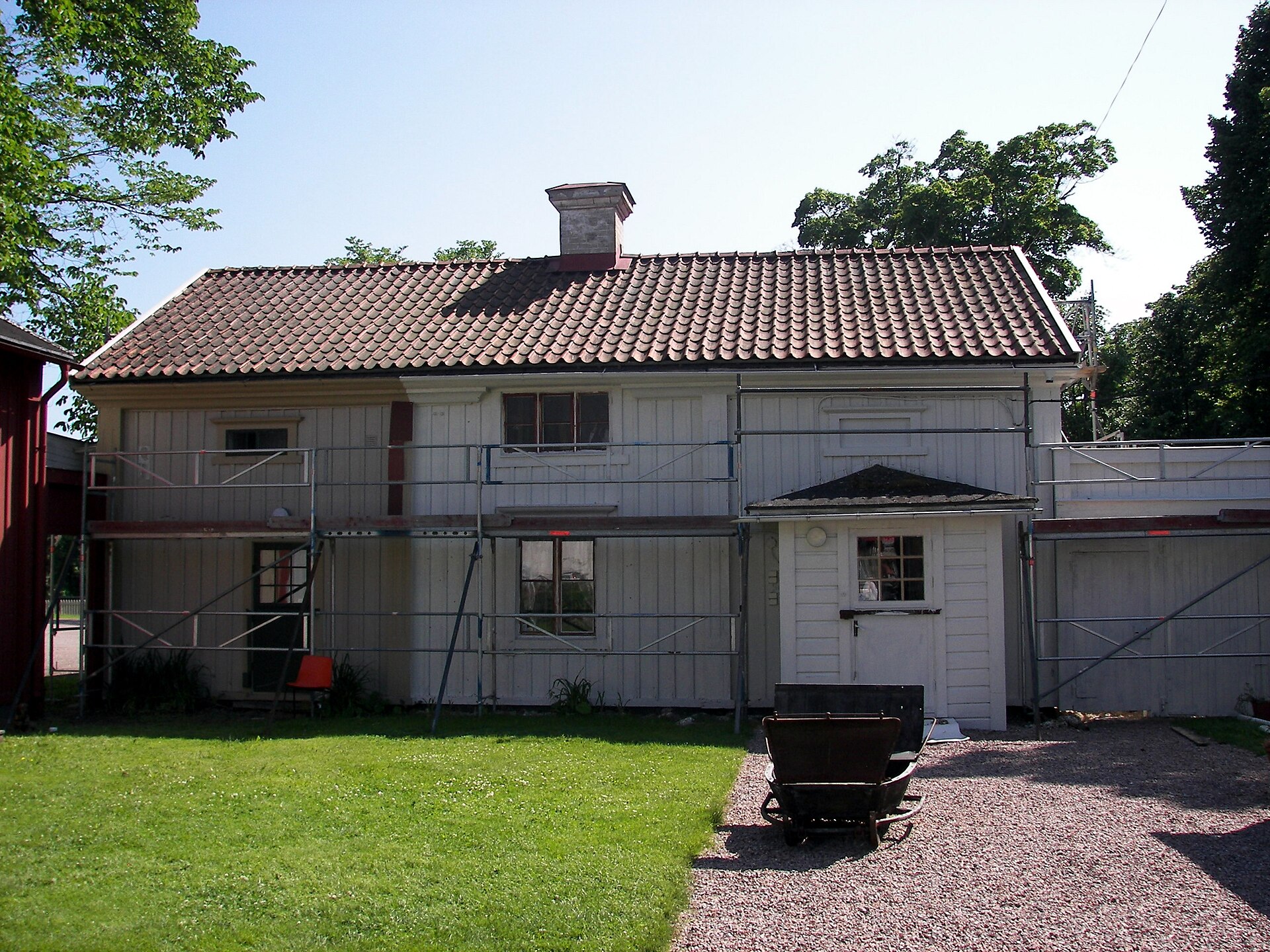
The Patrons' Invisible Guests at Svartvik Manor
Svartviks herrgård, Svartvik south of Sundsvall
Svartvik, south of Sundsvall, is one of the most important cradles of Swedish industry and is today a protected cultural heritage area. In the middle of this area stands Svartvik Manor, built in the 1820s as a residence for the sawmill patrons. It is historically well documented that the manor was the center of an intense and lavish social life during the glory days of the sawmill boom, when the patrons and their international guests held grand celebrations. The ghost stories here are rarely frightening; rather they are 'historical echoes' from the manor's heyday. Staff and visitors have testified to the sound of clinking glasses, faint party music and rustling gowns from empty salons. The best-known phenomenon, however, is 'the grateful guest' — an invisible figure said to make the beds in the manor's guest rooms or leave behind a faint scent of old pipe tobacco in the library.
Open file →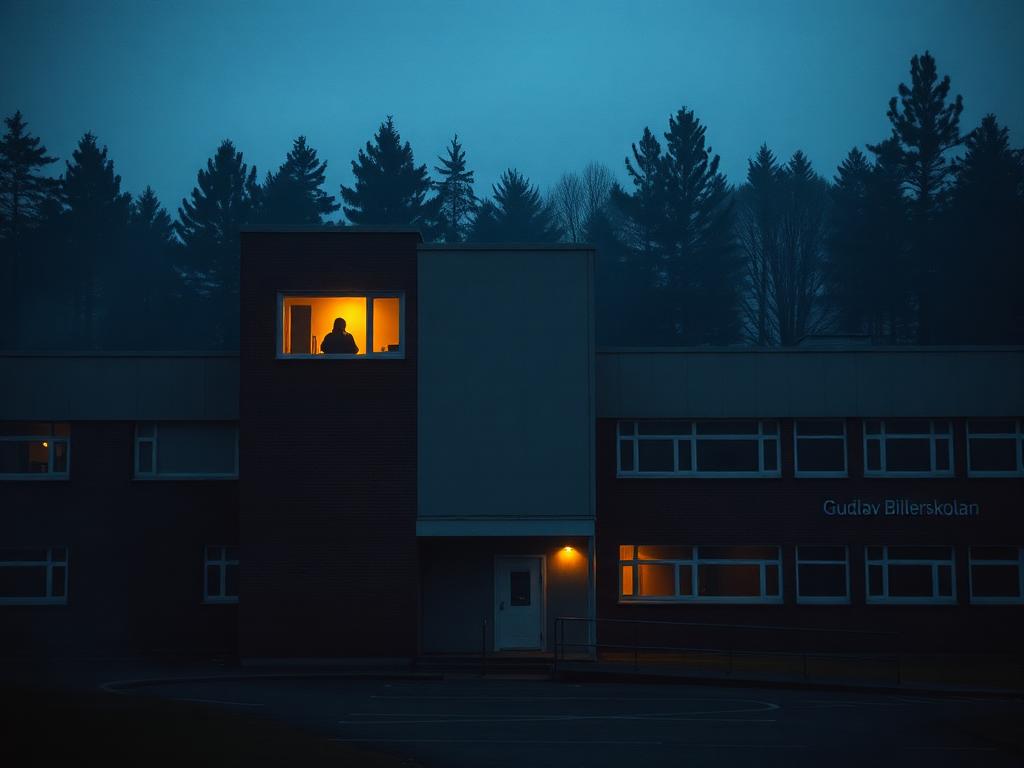
Gudlav Bilder and the Riddle of the Will in Sollefteå
Gudlav Bilderskolan, Sollefteå
The upper secondary school in Sollefteå, Gudlav Bilderskolan, bears a name that reaches back to one of Ångermanland's most legendary historical figures. On 29 July 1337 a wealthy colonist and chieftain named Gudlav Bilder drew up a magnificent will in Latin. Its purpose was to give large areas of land to the church to secure 'själagagn' — spiritual peace — for his deceased wife Rodhni and himself. Through the centuries it has been told that Gudlav Bilder's spirit never left the land because he wanted to watch over the strict conditions of the will. When the school was built on this very deeded land in 1971, local stories arose about strange sounds in the building during late evenings, giving rise to the old Sollefteå saying that 'Gudlav Bilder walks again' to inspect his estates.
Open file →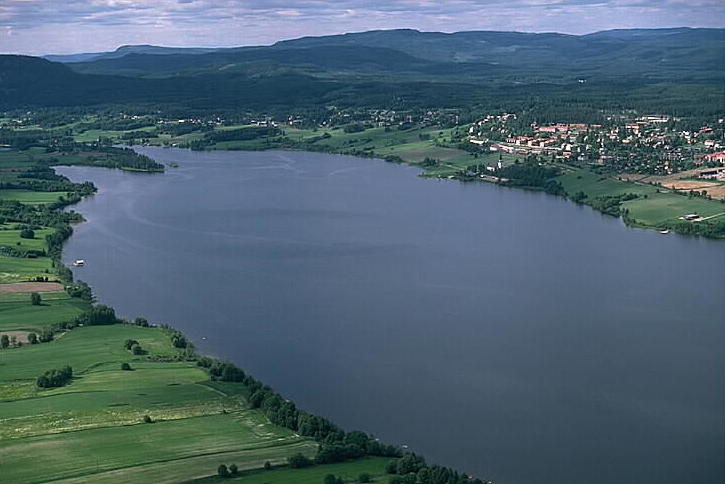
The Troll Chair of Fränsta
Fränsta, Medelpad
In the forests outside Fränsta in Medelpad stands one of the region's most peculiar and physically verified natural mysteries. Locally it is called the Troll Chair, or the Giant's Chair — a colossal glacial erratic that has split and weathered until it resembles a perfect monumental chair, complete with armrests and a backrest, standing alone in the wilderness. The old folk tales said it was a resting place for the giants or trolls when they moved through the country. Geologists have been fascinated by the boulder's unique placement and form. For centuries the place has drawn people searching for the hidden beings of the forest. The stone waits. The forest does not explain itself.
Open file →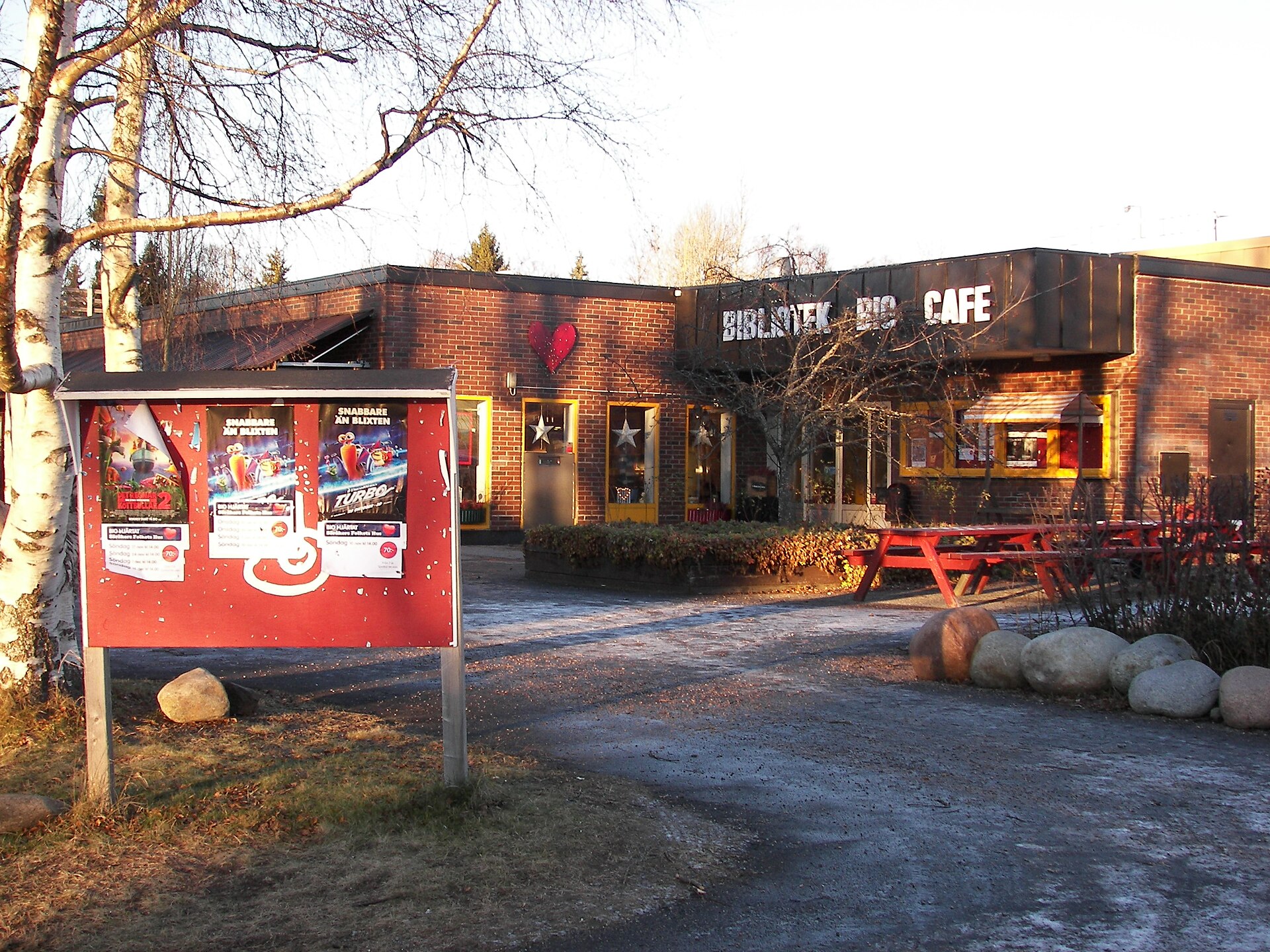
The Invisible Audience of Söråker Cinema
Söråkers folkets hus, Söråker
The old People's House in Söråker has a long history reaching back to the early labour movement and the sawmill boom. For decades the building has served as cinema, theatre and assembly hall, but it also carries very specific testimony from the staff. Unlike the classical manor-house ghosts, the stories here belong to the theatre and cinema itself. Several employees who locked the building late at night have reported the sound of cinema seats folding up and down in the completely empty, darkened auditorium — as if an invisible audience had just risen and left the room. The local cultural association has discussed the phenomena openly, and over the years the 'invisible guests' have become a natural part of the house's unique character and history, regarded with great respect.
Open file →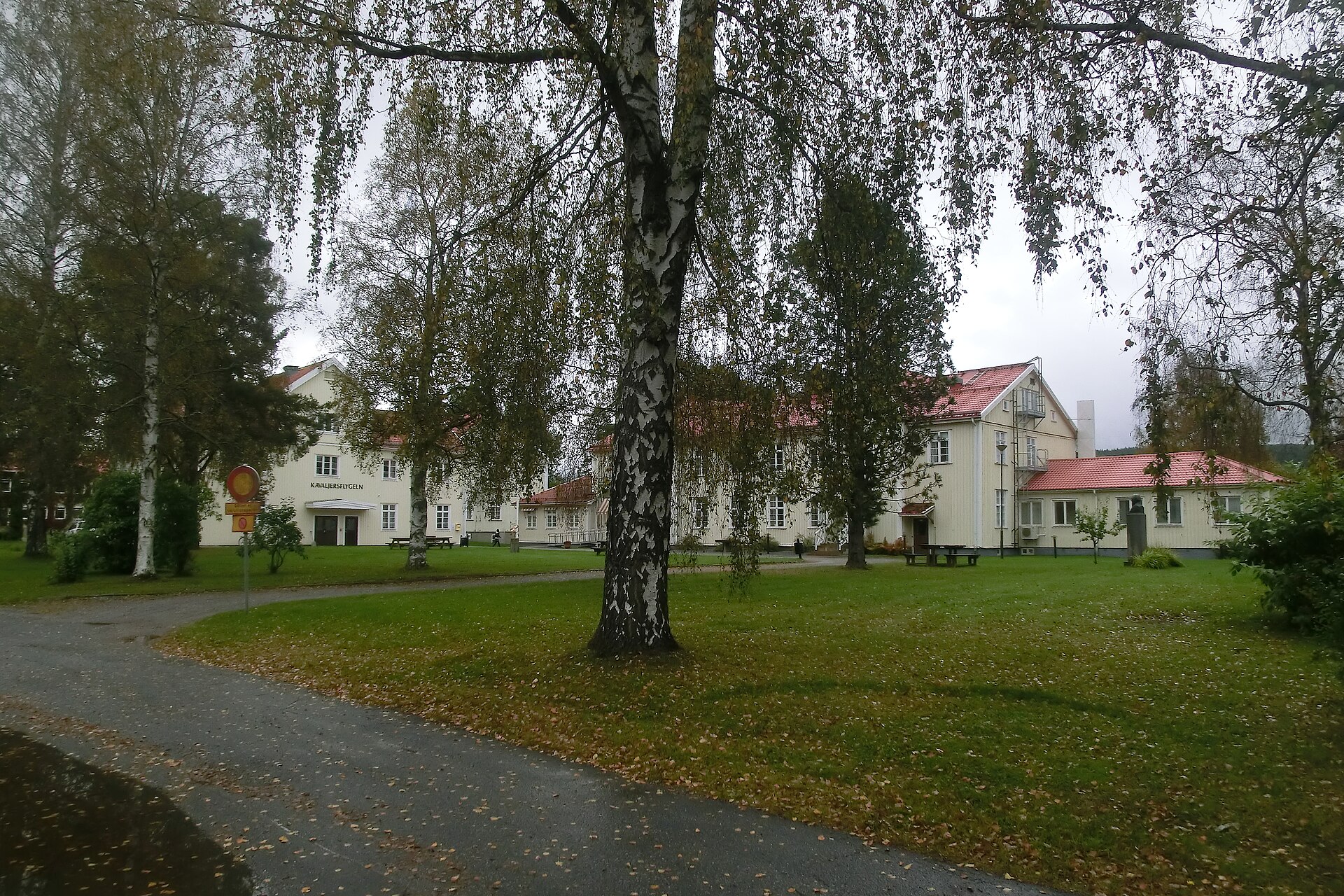
The Historical Echoes of Hola Folk High School
Hola folkhögskola, Prästmon
Hola Folk High School in Ångermanland was founded in 1896 and is one of Sweden's oldest folk high schools. The historic main building of timber carries more than a hundred years of intense educational history, but also recurring ghost legends among students and teachers. The best-known story tells of an older, strictly dressed woman — often called 'the Schoolmistress' — who is said to walk the older corridors and dormitories at night to make sure all is quiet and that the students behave themselves. Through generations of students who have lived at the school, stories have been passed down of sudden footsteps in the attic, doors that open without a draft, and a feeling of a watchful but absolutely not frightening presence in the old study halls after dark.
Open file →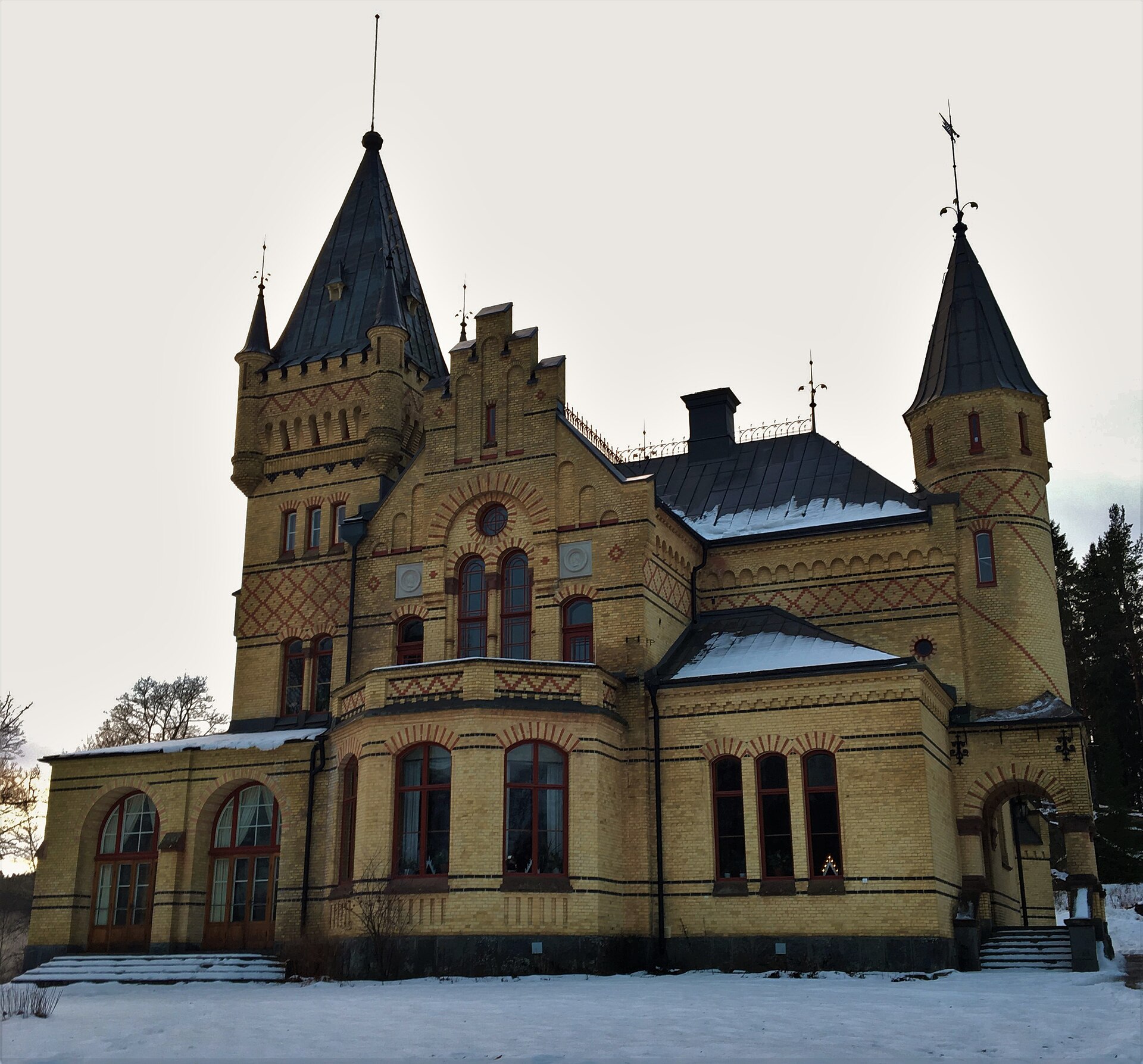
The Archives at Merlo Castle
Merlo slott, Timrå
Between 1883 and 1885 the timber magnate Fredrik Bünsow raised a palace in Timrå that the district had not asked for. Villa Merlo — Merlo Castle — is the only castle in Norrland, and for decades it served as the central archive of SCA, the forest company that inherited the river and the woods. The building became a quiet workplace filled with historical documents, and the silence settled into the walls. Unlike anonymous internet rumours, the stories from Merlo are written down. Night guards and archive staff, working independently of one another, have reported dull, unexplained sounds from the upper floors after dark, the feeling of being intensely watched in the empty archive vaults, and shadows moving in the grand staircases when the building was locked. The castle is open now. Some of its rooms are not.
Open file →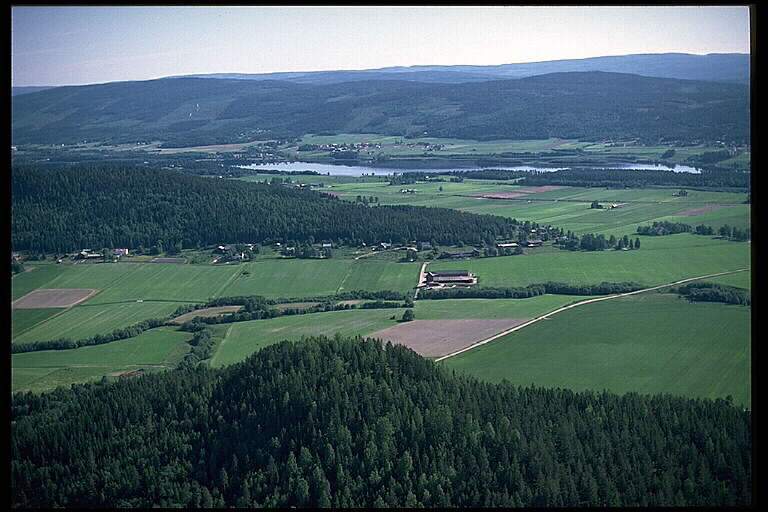
A Grave Matter
Viks by, Torsåker
The Antiquarian's card for Vik is a report of something that is no longer there. It records no coordinates. Where the field for map position should be, the surveyor left the line blank. What it does record is this: on the rising ground above the tilled field at Vik there was an opened and damaged mound, and the traces of two more in which a sword and a spearhead had been found. Another mound had been cut through to make a road. Sidenbladh wrote this down in 1865. Ekdahl had been there before him, in 1827, and noted only that a farmer named Nils Jansson had thrown out the mounds twenty years earlier when he broke the ground for cultivation, and that there were others nearby. Later the inventory reader K-G Selinge went over the two accounts and concluded that more graves had stood in the village than either man had listed. The whole area is now registered as a burial ground, a grey shape drawn on the map between Vangsta and the Vik farms, with nothing inside it to see. Iron was buried there with the dead, which places the graves in the last centuries before the church arrived. The ploughing continued for another hundred and fifty years.
Open file →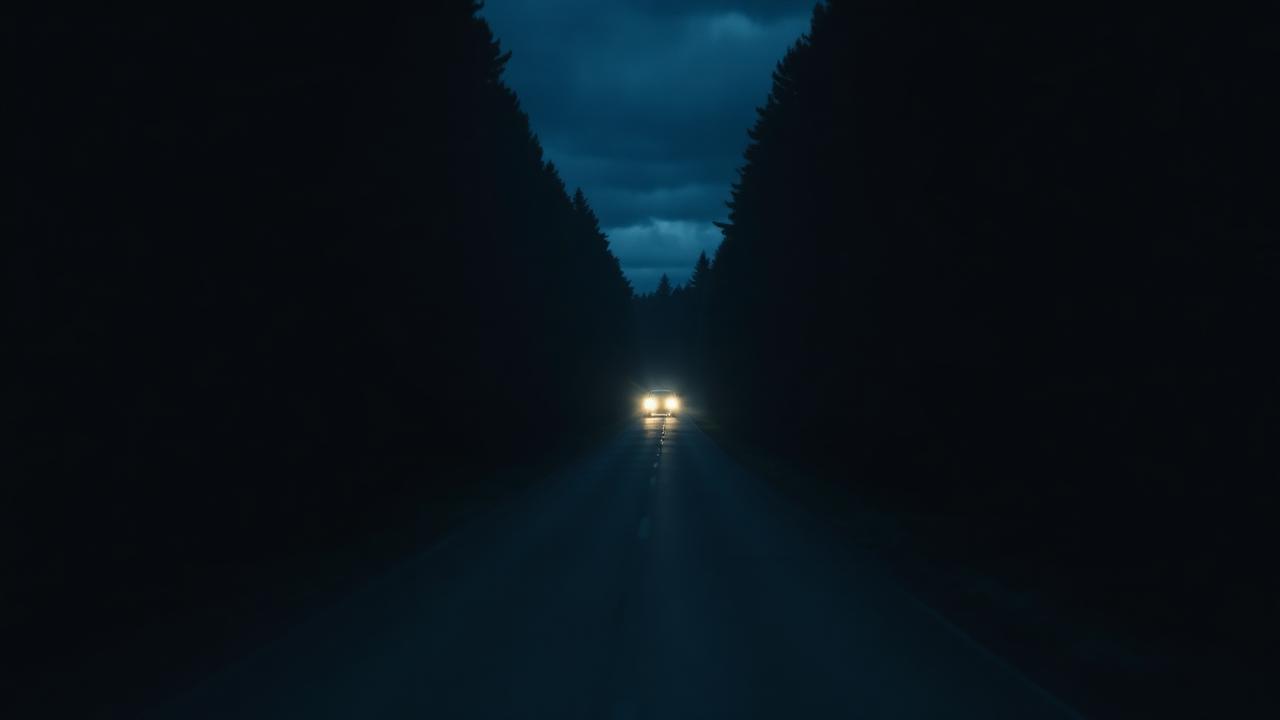
The Road North
Simsjövägen, Dals distrikt, Kramfors
There is a road that leaves the settled country and runs through kilometres of unbroken forest. It is called Simsjövägen. It has no fame, and almost no one uses the name. The stretch is under investigation by this archive. We are not ready to say why. What can be said is this: the road does not go anywhere it needs to go. It is unpaved, passes no village, serves no farm that could not be reached another way, and yet it exists, and it is driven. The investigation continues.
Open file →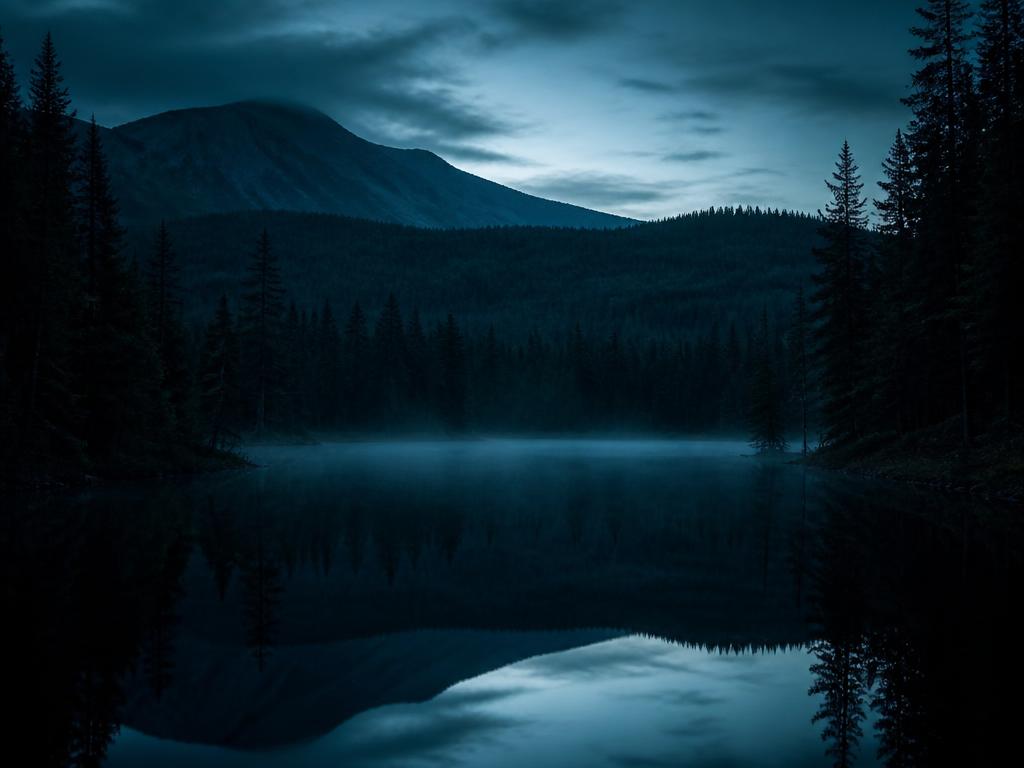
The Devil's Tarn
Djupdöveln, Torsåker
Djupdöveln is a lake and tarn in Kramfors municipality, in the province of Ångermanland, within Västernorrland County. It lies in Torsåkers district, a little more than seven kilometres north-northwest of the village of Nyland, and belongs to the main drainage basin of Ångermanälven. The land around it is broken and steep, crowned by the nearby height of Djupdövelsberget. In Norrland place-names the word carries a transferred sense: a 'devilishly deep hole', a bottomless pool, a dark and inaccessible forest tarn. Djupdöveln means, almost literally, the deep devil's hole, or the bottomless devil's tarn. The water is black where the sky enters it. The surrounding spruce hold the shore in shadow even at noon. We are looking into what has been seen there, and what has not come back.
Open file →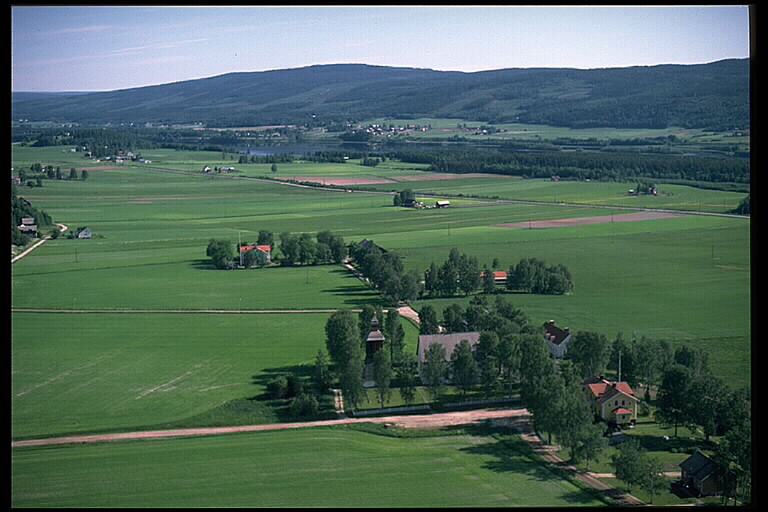
The Skeleton Field
Björned, Torsåker
Skelettåkern — the Skeleton Field — is an old farm burial ground in Björned, in Torsåker parish, Kramfors. The folk name came first, long before the archaeologists: for generations the people of the village found bones in the soil where they worked. In the 1980s the field was excavated, and the bones were given a context. It is a farm grave field and an early Christian burial place, from the centuries when the district was passing into a new faith. Twenty-eight individuals were taken from the ground. Their teeth told of toothache. Their bones told of kinship, health and diet — of lives lived here a thousand years ago, in a village that was changing and did not know yet into what. The people of Björned had known about them all along. The field kept giving them up, one ploughing at a time.
Open file →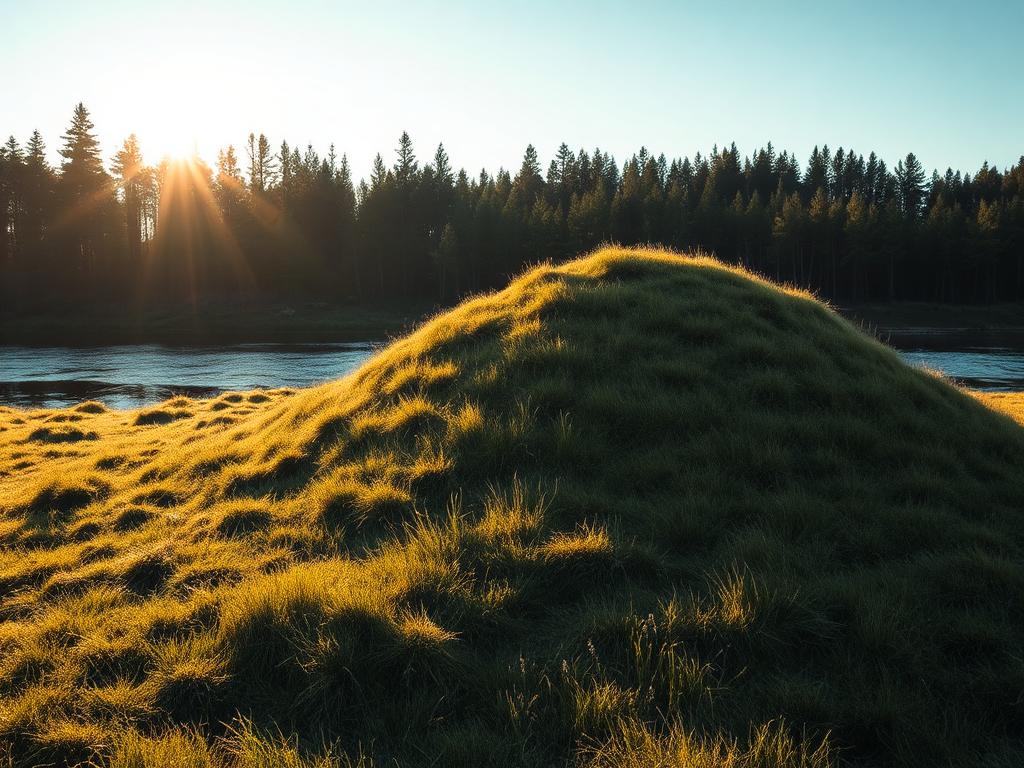
Gudmundshögen
Frånö, Ådalen
Above Frånö lies a mound, and the mound has a name: Gudmundshögen. Local tradition says a chieftain called Gudmund lies inside it with his gold, and that the gold is guarded — that those who dug for it were turned back by things they would not describe afterwards. Whether anyone lies in it at all is a separate question from whether the story is true, and in Ådalen both questions have been left standing. The mound is a green shoulder of ground above the river. It has outlasted the sawmills that grew up around it and it will outlast what comes next.
Open file →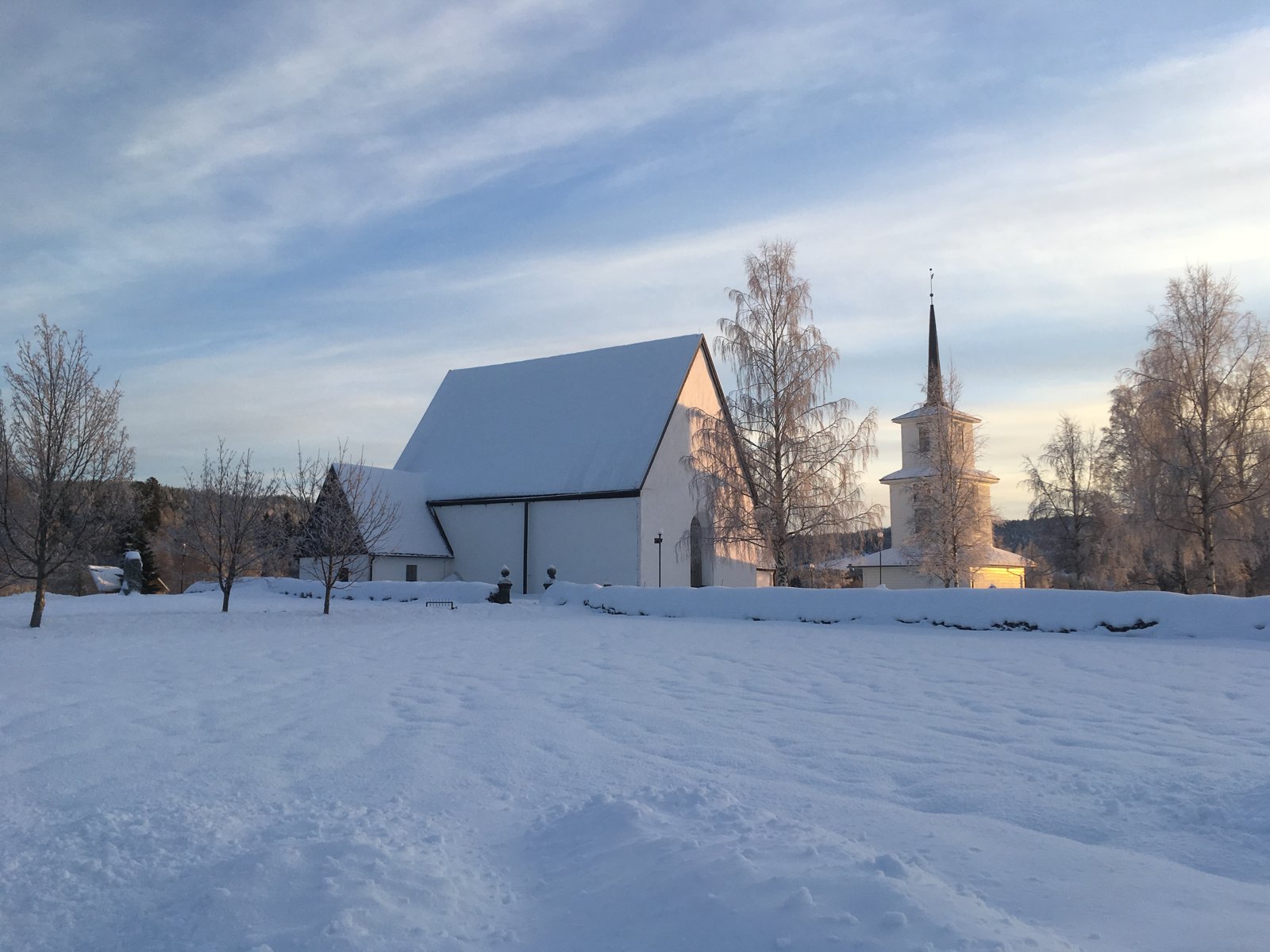
The Church Built in the Plague Year
Sidensjö, Örnsköldsvik
Sidensjö church is one of the oldest stone churches in Ångermanland, and the parish has an explanation for why the work stopped. The Black Death came, the story goes, and took the builders — so many that the stone lay where it had been dropped and the walls waited for a generation that could finish them. The dating is disputed, as such things are. But the legend has been told in the parish for centuries and it carries something the documents do not: the memory of a year when the labour simply ceased, and everyone knew why.
Open file →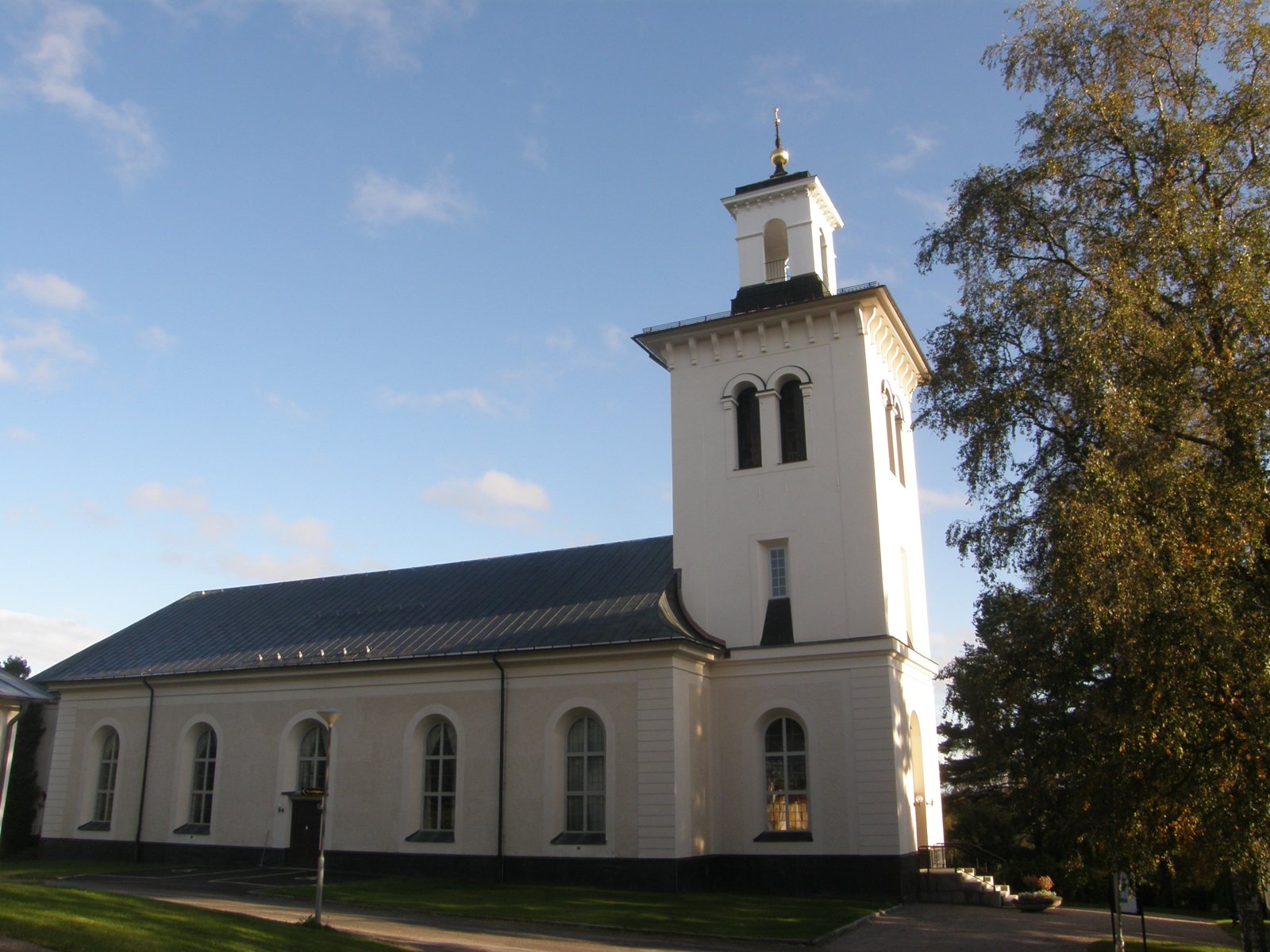
Jutstugan
Hässjö, Medelpad
The Antiquities Register lists it dryly: plats med tradition, L1935:153. A place with tradition. Jutstugan is a cave in Hässjö, and the name means the Jute's cabin — a memory of the Danish raids, when soldiers or fugitives were said to have sheltered in it. Other tellings put something older in there. What is documented is only that the parish has pointed at this hole in the rock for as long as anyone has been writing things down, and has said: something happened here. The register records the tradition without deciding on it. So do we.
Open file →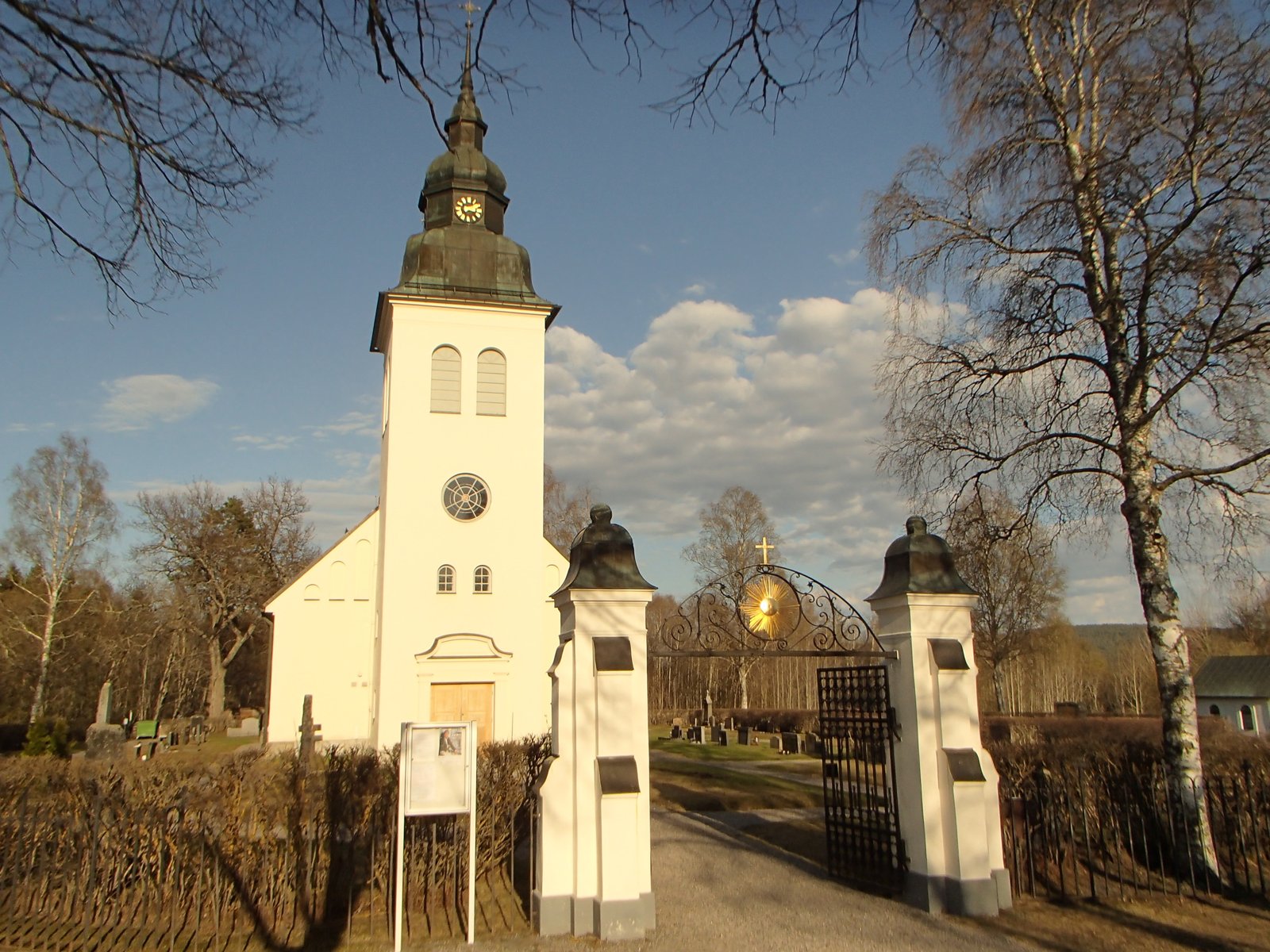
The Trinity Spring at Sättna
Sättna, Medelpad
Registered as L1935:6465 — källa med tradition, a spring with tradition. At Trefaldighetskällan in Sättna, people came on Trinity Sunday night, in the hours when the water was held to be strongest. They drank, they washed the sick part, and they left a coin. The practice is older than the church that gave the day its name, and the church tolerated it because it could not do otherwise. The spring is still there. So, sometimes, are the coins.
Open file →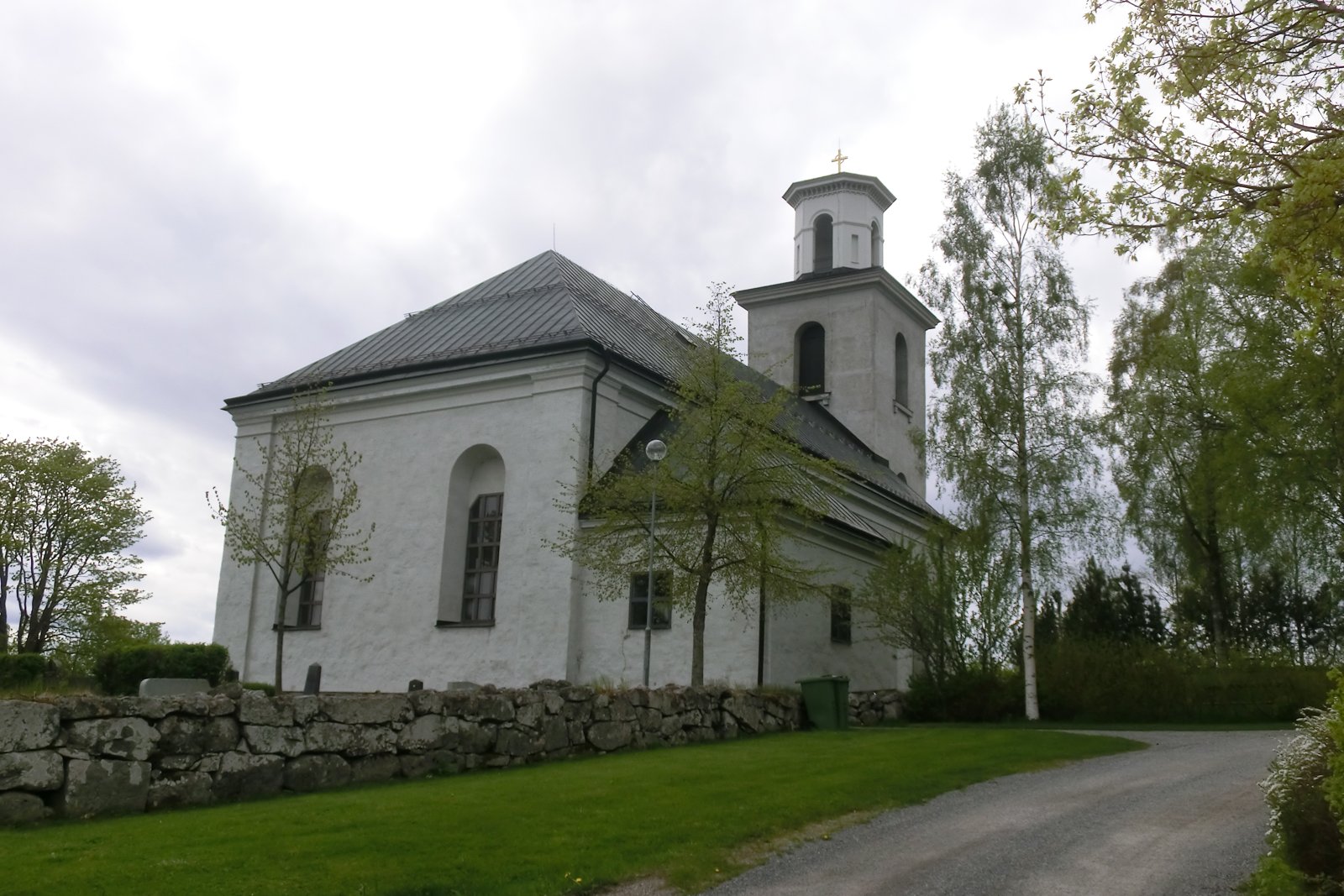
Ryssgraven
Häggdånger, near Härnösand
In 1721 the Russian galley fleet came along this coast and burned it. Härnösand went up. The countryside around it was worked over farm by farm, and afterwards there were bodies that belonged to no parish register. Häggdånger has a place called Ryssgraven — the Russian grave — where the dead from that summer are said to lie together, without names and without stones. Local tradition has kept the location when nothing official did. It is a field like any other field, and everyone in the district knows exactly which one it is.
Open file →